
Plants
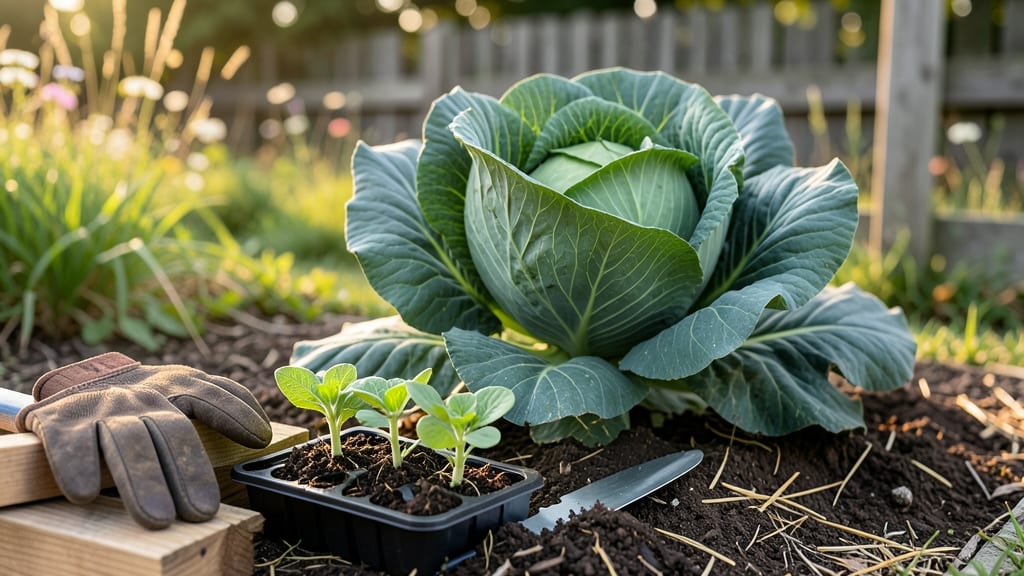
Planting cabbage in Missouri at the wrong time can turn your crisp dreams into bitter disappointment—especially when heat or frost ruins your hard work. The key to zero-bolt, head-perfect 🥬 lies in timing it just right, whether you're sowing seeds in spring or fall.
Missouri’s 5b-6b climate means you’ve got a narrow window to work with—about 4-6 weeks before your last frost in April or 10-12 weeks before the first frost in October. Get it wrong, and you’ll end up with tough, stringy leaves or plants that bolt before forming heads.
I’ve grown cabbage here for years, and the difference between a successful harvest and a flop comes down to one thing: planting at the exact right moment. Let me show you the precise weeks to start seeds indoors or outdoors, plus how to adjust for Missouri’s unpredictable weather.
From early varieties that mature before summer heat sets in to fall plantings that thrive until frost, we’ll cover it all—so you can enjoy homegrown cabbage from June through November without a single regret.
Missouri cabbage planting calendar: exact weeks before last frost for zero-bolt success
Missouri’s USDA zones 5b-6b create a unique challenge for cabbage growers—too early, and frost zaps tender seedlings; too late, and heat triggers bolting. The key? Planting at the right weeks before last frost to balance cool-season growth with head formation.
Most Missouri gardeners aim for 4-6 weeks before last frost (typically March 15-April 30), but your exact timing depends on your region. Northern Missouri (zone 5b) has a later last frost (April 20), while southern areas (zone 6b) can plant 2 weeks earlier (March 15).
A second planting window opens in late summer (August 1-September 15) for fall harvests. This requires 10-12 weeks before first frost (October 15) to mature heads before cold sets in.
Here’s your Missouri cabbage planting calendar, broken down by region and season:
| Region | Last Frost Date | Spring Planting Window | Fall Planting Window | Key Tip |
|---|---|---|---|---|
| Northern MO (5b) | April 20 | April 1-15 | August 15-Sept 1 | Use row covers for late frosts |
| Central MO (5b-6a) | April 15 | March 20-April 10 | August 1-Sept 10 | Prioritize heat-tolerant varieties |
| Southern MO (6b) | April 5 | March 15-April 5 | August 15-Sept 15 | Extend season with black plastic mulch |
For spring plantings, start seeds indoors 6-8 weeks before last frost (February for southern MO) to give seedlings a head start. Transplant outdoors when soil reaches 45°F and night temps stay above 35°F.
Missouri’s summer heat (75°F+) can trigger bolting, so avoid planting after May 15 in most regions. Instead, focus on fall plantings for cooler weather and sweeter heads.
Pro tip: Use succession planting every 2 weeks in spring for a staggered harvest. This works especially well for baby cabbage varieties, which mature faster (50-60 days) and tolerate heat better.
Local gardeners in St. Louis (zone 6a) swear by planting Golden Acre cabbage on March 22 and September 1—timing that aligns with their April 10 last frost and October 20 first frost. Adjust these dates by ±5 days based on your microclimate.
Remember: Cabbage hates heat. If summer temps climb above 80°F for more than 3 days, heads may split or bolt. Shade cloth (30-50%) can buy you 2-3 extra weeks of growing time in hot zones.
How to adjust cabbage planting for Missouri’s unpredictable weather patterns
Missouri’s weather can be as unpredictable as a toddler’s mood—one day it’s sunny, the next it’s snowing. If you’ve ever planted cabbage only to watch it bolt in a heatwave or freeze after a late frost, you know how frustrating this can be.
The secret to success? Flexible planting strategies that account for our 5b-6b climate quirks.
I’ve learned the hard way that rigid planting dates don’t work here. Instead, I use a mix of row covers, soil warming, and backup schedules to protect my cabbage. Let’s dive into the real-world adjustments that’ll keep your plants thriving no matter what Mother Nature throws at you.
First, always have a Plan B. Missouri’s last frost can vary by 1-2 weeks from the average April 15 date. If you plant outdoors on March 20 and a late frost hits, your seedlings could die.
My trick? Start seeds indoors 4-6 weeks before your target outdoor date, then transplant after the average last frost—but keep row covers handy.
If your seedlings emerge and a late frost threatens, don’t panic. Cover them immediately with floating row covers or old blankets. Cabbage can handle 25°F with protection, but uncovered plants may crisp at 28°F.
Pro tip: Use black plastic mulch before planting to warm the soil faster in spring. This buys you 1-2 weeks of earlier planting.
Heatwaves are another Missouri menace. Cabbage bolts (goes to seed) when days get too long and hot. To delay bolting, choose shade-tolerant varieties like ‘Golden Acre’ and plant in partial shade during peak summer.
I also mulch heavily with straw to keep roots cool and water deeply in the morning to reduce stress.
For fall plantings, aim for August 15-September 1, but be ready to adjust. If summer heat lingers, start seeds indoors in July and transplant in early August. This gives heads time to form before frost.
I’ve had success with succession planting: sow a few seeds every 2 weeks in August to stagger harvests through October.
Finally, always check your local Cooperative Extension Service for updated frost dates. Missouri’s climate shifts yearly, and their data is your best friend. With these adjustments, you’ll beat Missouri’s weather—and enjoy crisp, homegrown cabbage no matter what the forecast says.