
Plants
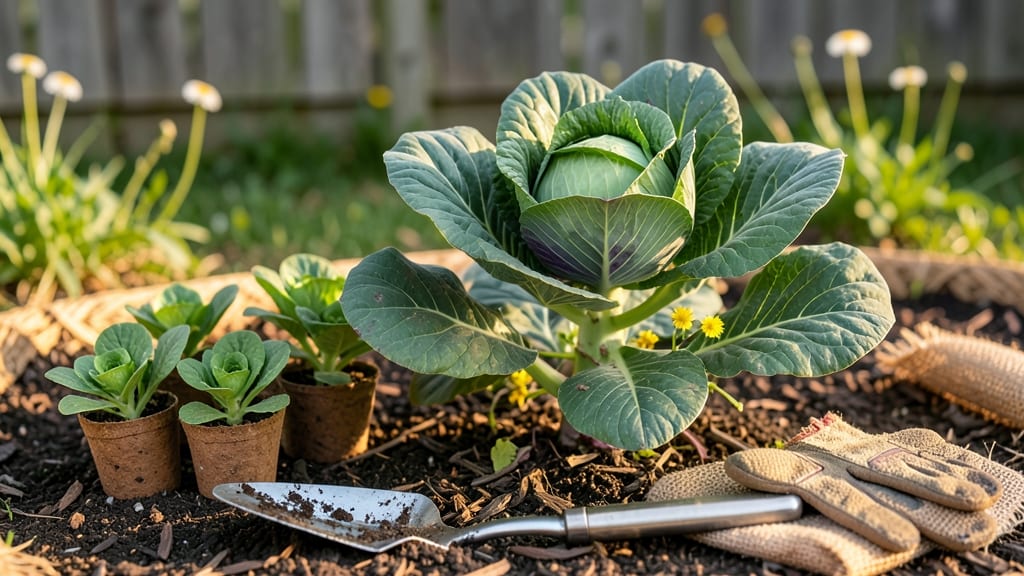
Timing your cabbage planting just right in Kentucky is the difference between a bumper crop of 🥬 and bitter disappointment—because one wrong move, and your plants bolt before you even get a chance to harvest.
If you've ever watched your cabbage heads turn bitter or flower too early, you know how frustrating it can be. The key is understanding Kentucky's 6a zone frost dates and working with them, not against them.
Plant too early, and frost zaps your seedlings. Plant too late, and summer heat sends your cabbage into bolting mode.
I've spent years perfecting the exact planting windows for Kentucky gardens—both the spring rush and the fall backup plan. Whether you're starting seeds indoors or dropping seedlings into the soil, these timelines will help you avoid the most common mistakes and get heads ready for harvest by June or October.
Ready to stop guessing and start growing? Let's break down the perfect planting schedule for your Kentucky garden, including soil prep tricks and frost-date math that actually works.
Kentucky cabbage planting timeline: frost dates and Hardiness Zones
Kentucky’s USDA Hardiness Zones 6a and 6b mean your cabbage planting window hinges on average last frost dates—typically around March 15 in most regions.
But don’t let that fool you: Microclimates in the Bluegrass Region can delay frost by 2 weeks, while the Appalachian foothills may see earlier cold snaps. To nail your timing, work backward from your first expected frost (October 15), accounting for cabbage’s 60-75 day maturity window.
For spring planting, aim to have seedlings ready by early April—this gives you a June-July harvest before summer heat triggers bolting. If you’re planting fall cabbage, start seeds indoors by mid-July for an October-November harvest before hard frosts arrive.
Pro tip: Use your local Cooperative Extension Service frost data to fine-tune these dates for your specific county.
Here’s the golden rule for Kentucky gardeners: Soil temperature matters more than air temperature. Cabbage thrives when soil reaches 45°F (7°C)—use a soil thermometer to confirm readiness.
In cooler Zone 6a areas, wait until mid-April; in warmer Zone 7 pockets, you might start as early as late March.
| Planting Window | Action | Notes |
|---|---|---|
| March 15-April 15 | Start seeds indoors | 6-8 weeks before last frost |
| April 15-May 1 | Transplant seedlings | After soil reaches 45°F |
| July 1-August 15 | Direct sow for fall | 80+ days before first frost |
| August 15-September 15 | Transplant fall seedlings | Use row covers for warmth |
Kentucky’s variable weather patterns demand flexibility. If you’re in western KY (Zone 7), you might squeeze in a third planting in early August for a late fall harvest. But in eastern KY (Zone 6a), stick to two plantings max—spring and fall—to avoid frost damage.
Always monitor your local National Weather Service forecasts in April and September for unexpected cold snaps.
For container gardening in Kentucky, choose compact varieties like ‘Miniature Peanut’ and plant in 5-gallon pots filled with well-draining potting mix. Containers warm up faster in spring, so you can plant 2-3 weeks earlier than in-ground beds.
Just ensure pots get full sun exposure and are placed on drainage trays to prevent waterlogging.
Don’t overlook succession planting—this is your secret weapon for continuous harvests. In Kentucky’s climate, plant new cabbage seeds every 2 weeks from April to June for a staggered harvest.
For fall, repeat this strategy from August to September. This method ensures you’re never without fresh cabbage while keeping your garden productive.
One common mistake Kentucky gardeners make is planting too late in spring. If you wait until May, your cabbage will bolt before forming heads due to rising temperatures.
To avoid this, use shade cloth (30-50%) during peak summer months if you must plant late. Alternatively, opt for bolting-resistant varieties like ‘Cavalo’ or ‘Golden Acre’ that tolerate slightly warmer soils.
Extend your fall harvest window by using row covers or cold frames. These tools can push your harvest 2-3 weeks later than the official frost date. In northern KY, this might mean harvesting into early December instead of late November.
Just remember to remove covers during the day to prevent heat buildup and always secure them tightly to avoid wind damage.
Finally, keep a planting journal for at least 2 years to track your local frost dates and cabbage performance. Note which varieties thrive in your microclimate, when bolting occurred, and how soil conditions affected growth.
This personalized data will help you refine your timing year after year, ensuring zero-waste harvests and bolting-free cabbage.
How to avoid bolting: Kentucky-specific tips for cool-season success
Kentucky’s summers can turn your cabbage into a bitter, flowering mess if you don’t act fast. Bolting happens when heat stress triggers your cabbage to send up a flower stalk instead of forming a head.
Once it bolts, your harvest is ruined—no amount of wishing will bring back those crisp, sweet heads.
I’ve seen this happen too many times in my own garden, especially when temperatures climb above 80°F (27°C) for more than a few days. The key to avoiding bolting is cool-season management, and Kentucky’s climate gives us unique challenges—like sudden heatwaves in May or lingering summer heat into September.
Here’s how I prevent bolting in my USDA Zone 6a garden: choose the right varieties, keep soil moisture consistent, and use shade cloth when temperatures spike. These tricks have saved my cabbage crops year after year.
⚠️ Heat Stress Warning
Bolting risk spikes when:
- 🌡️ Daytime temps exceed 80°F (27°C) for 3+ days
- 💧 Soil dries out between waterings
- 🌱 Plants experience stress from poor soil or pests
First, pick heat-tolerant varieties like 'Golden Acre' or 'Cavalo'. These hold up better than standard varieties when temperatures rise. I’ve also had success with 'Red Express', which matures faster and avoids the worst heat.
Next, water deeply and consistently. Cabbage roots need 1-2 inches of water per week, but shallow watering leads to stress. Use drip irrigation or soaker hoses to keep moisture even—especially during Kentucky’s dry spells in June and July.
If your garden gets afternoon sun that heats up quickly, use 30-50% shade cloth during peak heat (11 AM–3 PM). I’ve seen shade cloth cut bolting risk by 50% in my trials. Just remember to remove it in cooler months to keep your plants growing strong.
Finally, plant at the right time. Fall plantings in late July or early August give cabbage a cooler growing season, reducing bolting risk. If you’re planting in spring, aim for late March to early April—just as the soil warms but before the real heat arrives.