
Plants
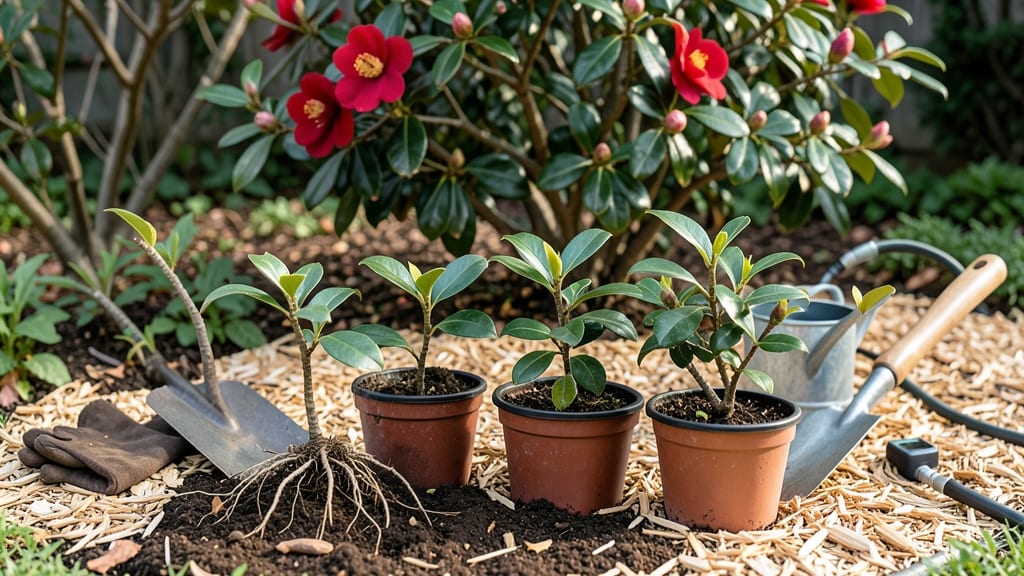
Planting camellias at the wrong time in Zone 9 can turn your dream garden into a sad, stunted mess—no one wants that! 🌸 The secret to thriving blooms lies in timing, and the best window for your Zone 9 camellias isn’t what you might think.
Most gardeners assume spring is the only option, but in Zone 9, where summers are brutal, planting in the cooler months actually gives your camellia a fighting chance.
I’ve seen firsthand how a well-timed transplant can mean the difference between a lush, flowering shrub and one that struggles just to survive.
If you’ve ever wondered why your camellia wilts under the summer sun or blooms weakly, the answer might be simpler than you think: it’s all about when you planted it.
Let’s break down the best months to plant, how to prep your soil for success, and even which varieties handle late planting better than others.
Ready to give your camellia the perfect start? I’ll walk you through everything—from soil prep to post-planting care—so you can enjoy those stunning winter-spring blooms for years to come.

Optimal planting months for camellias in Zone 9: avoiding heat stress
Zone 9 gardeners know the struggle—planting camellias in the wrong season can lead to heat shock or poor root establishment. Unlike cooler zones, Zone 9’s mild winters and year-round warmth demand a smarter approach.
The ideal window is late fall through early spring, when soil temps stay below 70°F and humidity is higher.
Why? Camellias are tropical shrubs at heart, and summer heat (especially in Zone 9) can stress roots before they’ve had time to establish. Planting in November through February gives roots a 3-4 month head start before the real heat arrives.
This is especially true for bare-root plants, which need moisture to wake up.
Here’s the key: Soil temperature matters more than air temperature. Aim for 60-70°F soil temps—use a soil thermometer if you’re unsure. In coastal Zone 9 (like San Diego), you might extend planting into early March, but inland areas should stick to November-February to avoid early spring heatwaves.
🌱
📋 Zone 9 Camellia Planting Timeline
| Season | Best Planting Window | Soil Temp Range | Key Consideration |
|---|---|---|---|
| Late Fall | November-December | 60-68°F | Cooler temps, higher humidity |
| Winter | January-February | 58-65°F | Avoid frost pockets (rare in Zone 9) |
| Early Spring | March (coastal only) | 65-70°F | Risk of heat stress increases |
| Summer | Avoid | Above 75°F | High transplant shock risk |
Container-grown camellias are more flexible than bare-root plants. You can plant them year-round in Zone 9, but the best results still come from fall or winter transplanting. The key is root ball moisture—never let the roots dry out before planting.
If you’re buying potted camellias in summer, water deeply every 5-7 days to keep roots happy until you can transplant.
Pro tip: If you must plant in late spring or summer, choose mature camellias (3+ years old) with established root systems. They handle heat better than young plants. Also, mulch heavily (3-4 inches of organic mulch) to lock in moisture and insulate roots from temperature swings.
Another critical factor is rainfall timing. Zone 9’s winter rains help establish roots, but if you’re planting in dry inland areas, schedule irrigation for 2-3 times per week for the first month.
Drip irrigation is ideal—it delivers water slowly and deeply without wetting the foliage (which can cause fungal issues).
Don’t overlook microclimates in Zone 9. A coastal garden in Santa Barbara might handle March planting, while an inland valley (like Riverside) should stick to November-February.
Observe your garden’s afternoon shade patterns—camellias need morning sun and afternoon shade, so planting too late can expose them to scorching afternoon rays.
Finally, avoid planting during heatwaves, even in Zone 9. If temps hit 90°F+, roots can’t absorb water fast enough, leading to transplant shock. Check your local National Weather Service for extended forecasts—if a 90°F+ stretch is predicted, delay planting until cooler weather returns.
🌿
Optimal planting months for camellias in Zone 9: avoiding heat stress
Zone 9 gardeners know the struggle—summer heat can turn camellia planting into a high-stakes gamble. The ideal window is November through February, when soil stays cool and rainfall is steady. This timing lets roots establish before spring’s heat stress kicks in.
Bare-root camellias thrive when planted in late fall (Nov-Dec), while container-grown plants adapt better to winter (Jan-Feb). The key? Avoid March-April unless you’re in a cooler microclimate—like coastal areas with milder afternoons.
Here’s why timing matters: Soil temps above 75°F shock roots, while winter’s 60-70°F range is perfect for growth. Zone 9’s mild winters mean no frost, but humidity levels drop—so keep plants hydrated.
| Month | Soil Temp (°F) | Rainfall (in) | Planting Suitability |
|---|---|---|---|
| November | 65-72°F | 2.5-3.5 | ✅ Best for bare-root |
| December | 60-68°F | 2.0-3.0 | ✅ Ideal for containers |
| January | 58-66°F | 1.5-2.5 | ✅ Safe for all types |
| February | 62-70°F | 1.0-2.0 | ⚠️ Risk increases |
Container-grown camellias offer flexibility—plant them anytime their roots aren’t heat-stressed. Look for well-established root balls (2-3x wider than the pot) to minimize transplant shock. Mulch heavily (3-4 inches) to lock in moisture.
Pro tip: If you must plant in spring (March-April), choose shadier spots and water daily for 2 weeks post-transplant. Zone 9’s afternoon sun is brutal—think of it as a root recovery boot camp.
Remember, camellias reward patience. A November transplant might bloom next winter, while a summer-planted one could struggle for years. Timing isn’t just about months—it’s about giving your plant the cool, wet head start it craves.