
Plants
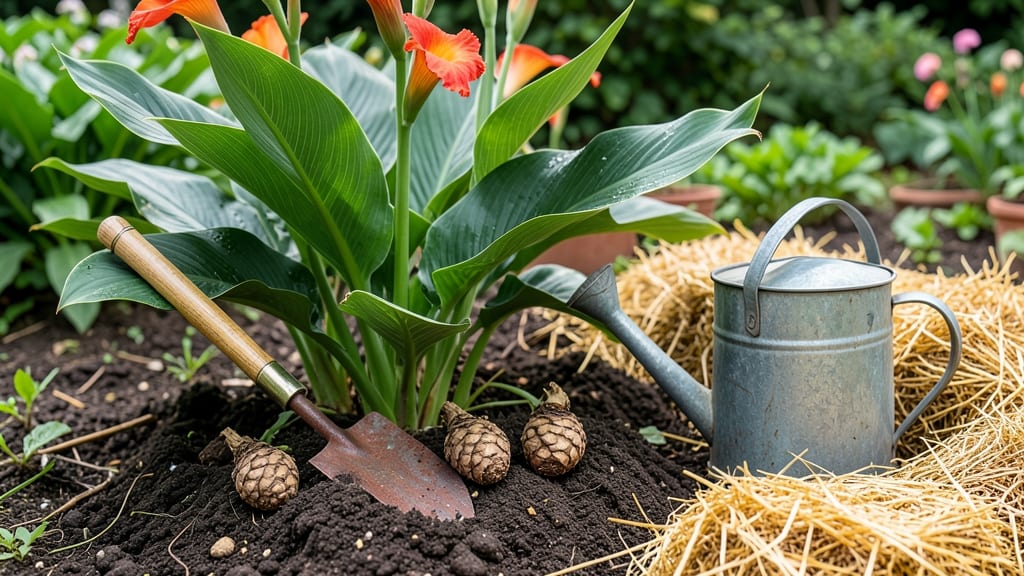
Planting your Canna Lily 🌺 bulbs at the wrong time in Illinois can mean the difference between a showstopping summer garden and a sad, frost-nipped disappointment. The key to vibrant blooms lies in knowing exactly when to tuck those rhizomes into the soil—because Illinois' unpredictable spring weather demands precision.
Most gardeners in USDA zones 5b-6b wait until mid-April to mid-May, but that's just the starting point. The real magic happens when you time it with your local last frost date—typically around April 15—and soil temperatures that hit a steady 60°F.
Plant too early, and frost will turn your tropical beauties into sad, mushy messes.
In this guide, I'll break down the exact weeks after last frost that work best for Illinois gardens, whether you're in Chicago's cooler pockets or St. Louis' slightly warmer climate.
You'll also discover how to prep your bulbs for planting, avoid common mistakes that kill cannas, and keep those fiery blooms thriving all summer long.
Ready to transform your garden into a bold, sun-drenched paradise? Let's get those Canna Lily 🌺 bulbs in the ground at the perfect moment—so you can enjoy their dramatic foliage and dazzling flowers from late summer right through fall.
Illinois last frost dates & exact weeks to plant canna bulbs
Canna bulbs—those dramatic, tropical-looking rhizomes—thrive in Illinois gardens when planted at the perfect frost-free window. Since Illinois spans USDA Zones 5b-6b, timing varies slightly between Chicago’s cooler north and St. Louis’ milder south. The key? Wait until soil temperatures hit 60°F and all frost risk has passed.
Most of Illinois sees its last spring frost between April 15 and May 1, but rural areas can run 1-2 weeks later. For example, Chicago’s average last frost is April 22, while southern Illinois (like Carbondale) often waits until May 5.
Planting too early risks frost damage, while delaying past mid-May may shorten your blooming season.
Canna bulbs need 10-12 weeks of warm weather to establish roots and shoot up those iconic 6-foot stalks. If you plant in early May, you’ll likely see blooms by late July—just in time for peak summer color.
For a longer bloom window, aim for mid-April to early May in most of Illinois.
Pro tip: Use the National Weather Service’s frost maps or your local Cooperative Extension office for hyper-local data. Even a light frost can kill young canna shoots, so don’t rush!
| Region | Avg. Last Frost | Ideal Planting Window | Bloom Start |
|---|---|---|---|
| Northern IL (Chicago) | April 22 | May 1–15 | Late July |
| Central IL (Springfield) | April 28 | April 25–May 10 | Early July |
| Southern IL (St. Louis) | May 5 | May 1–20 | Mid-July |
| Rural/Southeast IL | May 10 | May 5–25 | Late June |
If you’re unsure about your exact frost date, use a simple soil thermometer ($10 at garden centers) to confirm 60°F soil temps at 4-inch depth. Canna rhizomes won’t sprout until the ground warms up, so don’t plant before this threshold—even if neighbors are already digging in!
For container gardening, you can push the timeline slightly earlier by using black plastic pots (they absorb heat) or a greenhouse setup. Just move containers indoors if night temps dip below 50°F. This trick extends your window by 1-2 weeks in cooler zones.
Remember: Cannas are tender perennials in Illinois, meaning they’ll die back in winter but must be dug up and stored if you want to replant next year. If you’re treating them as annuals, plant 2-3 weeks earlier—they’ll still bloom beautifully but won’t survive the freeze.
Finally, mark your calendar for October 15, the average first frost in Illinois. This is your cue to dig up rhizomes before temps drop below 40°F, or they’ll rot in the ground.
With the right timing, your cannas will reward you with bold, fiery blooms from July through September! 🌺
How to prepare canna bulbs for Illinois planting (step-by-step)
Before you rush to plant your Canna Lily 🌺 bulbs in Illinois, proper prep can mean the difference between a thriving garden and a disappointing flop. These tropical rhizomes need special care to survive our unpredictable springs.
Start by selecting healthy, firm bulbs—any that feel soft or shriveled are best avoided. Look for eyes (growth points) that are plump and ready to sprout.
Next, give your bulbs a head start indoors if you're in northern Illinois (Zone 5b). Place them in a warm spot—around 70-75°F6-8 weeks before your last frost date.
This jumpstart helps them establish roots before transplanting. If you're in southern Illinois (Zone 6b), you can skip this step and plant directly after the frost danger passes.
Here’s how to prep your bulbs for planting success:
Soak your Canna Lily 🌺 bulbs in lukewarm water for 1-2 hours before planting. This hydrates them and kickstarts root growth. Avoid over-soaking, as they can absorb too much water and rot.
Use a soil thermometer to ensure your garden soil is at least 60°F. Canna bulbs won’t sprout until the soil warms up—waiting for this temperature ensures strong, healthy growth.
Decide between in-ground planting or containers. Containers are ideal for short seasons or urban gardens, while in-ground planting works best for long, hot summers. If using containers, pick pots with drainage holes and at least 12-inch depth.
Amend your soil with compost or aged manure to improve drainage and fertility. Canna bulbs hate soggy soil, so avoid heavy clay without amendments. Mix in a slow-release fertilizer (like 10-10-10) to give them a nutrient boost.
Plant rhizomes 2-3 inches deep, with the eyes facing upward. Space them 12-18 inches apart to allow for their broad foliage. If planting in containers, use one rhizome per 12-inch pot.
Apply a 2-3 inch layer of mulch around the base to retain moisture and protect roots from late spring frosts. Use straw or shredded leaves—avoid mulch that’s too dense, as it can suffocate the rhizomes.
After planting, water deeply to settle the soil and encourage root growth. Keep the soil consistently moist but not soggy for the first few weeks. Once your cannas are established, they’ll reward you with bold foliage and fiery blooms all summer long—just like a tropical paradise in your Illinois garden!
Pro tip: If you’re in Zone 5b, consider covering young plants with frost cloth on chilly nights until the danger of frost has truly passed. This extra protection can save your cannas from early-season setbacks.