
Plants
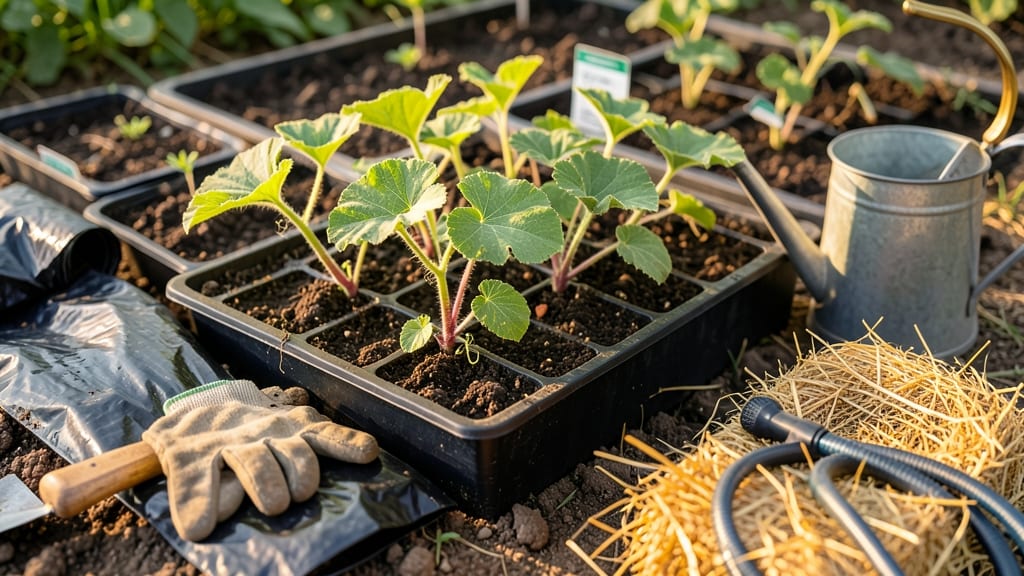
Planting cantaloupe in Zone 8b at the wrong time can turn your garden dreams into a sad, wilted mess—no one wants that! The key to sweet, juicy 🍈 harvests lies in waiting for the perfect moment when soil temperatures hit 70°F and frost is a distant memory.
Unlike cooler climates, Zone 8b’s mild winters mean you’ve got a narrower window to get those seeds in the ground just right. Skip the guesswork and learn the exact weeks to plant, whether you’re starting indoors or going straight to the soil.
I’ll show you how to beat the heat and frost risks while maximizing your harvest.
Even in Zone 8b, not all planting spots are created equal. Coastal areas warm up faster than inland zones, and humidity can shift your timeline by 2-3 weeks. Let’s break down the science so you can plant with confidence—no more wasted seeds or disappointed vines.
Ready to grow cantaloupes that’ll make your neighbors jealous? Stick around—I’ll walk you through the ideal planting schedule, soil prep secrets, and how to stretch your growing season if needed. Your summer harvest starts here!

Optimal planting weeks for cantaloupe in Zone 8b (with soil temp guide)
Cantaloupe in Zone 8b demands precision—plant too early, and you risk frost damage; too late, and your harvest shrinks. The ideal window spans late March to mid-April, but soil temperature is your true guide, not just the calendar.
Most Zone 8b gardeners nail it by waiting for soil temps of 70°F (21°C) consistently.
Direct sowing is best for cantaloupe, but if you start indoors 3-4 weeks early, use biodegradable pots to avoid transplant shock. My coastal Zone 8b friends often plant 2 weeks earlier than inland areas—microclimates matter! Always check your last frost date (typically mid-January in 8b) and count backward.
Here’s the golden rule: Never plant cantaloupe until nighttime temps stay above 55°F (13°C). Cold snaps after planting can stall germination or kill young vines. I’ve seen wasted seed packets from impatient gardeners who ignored this rule—don’t let that be you!
For coastal Zone 8b gardeners, early March can work if you’re near the ocean—those mild coastal breezes delay frost longer. Inland areas should wait until mid-to-late March.
I once planted cantaloupe in early March inland, and a 28°F (–2°C) dip wiped out my seedlings overnight. Lesson learned: soil temp > calendar date.
If you’re pushing the envelope for an earlier harvest, use black plastic mulch to warm soil by 10–15°F. Lay it down 2–3 weeks before planting to create a microclimate. My Zone 8b neighbors swear by this trick—it’s how they get cantaloupe ripe by early July instead of August.
Pro tip: Test your soil temp with a soil thermometer (or your elbow—if it’s too cold for your comfort, it’s too cold for cantaloupe). I keep mine buried 2 inches deep for accurate readings. Below 65°F (18°C)? Hold off. Above 70°F (21°C)? Plant!
Remember, cantaloupe is a warm-season crop that hates cold feet. Rushing it leads to poor germination or stunted vines. Patience here pays off with sweeter, larger melons by summer’s end. Trust the science—and the soil!
How to adjust your planting schedule for Zone 8b's last frost dates
Zone 8b’s last frost date typically falls between March 15 and April 15, but your exact window depends on whether you’re in a coastal or inland area.
Coastal regions like San Diego or Santa Barbara often see frost-free soil by early March, while inland spots like Phoenix or Las Vegas may wait until mid-April. Knowing your local average helps you avoid planting too soon—cantaloupe seeds won’t germinate below 60°F soil, and seedlings are frost-sensitive.
For a foolproof schedule, check your local USDA Plant Hardiness Zone maps and add 2-3 weeks to the average last frost date. For example, if your area’s last frost is April 1, aim to plant cantaloupe seeds by April 15 to ensure they sprout before summer heat arrives.
Always verify with a soil thermometer—wait until readings hit 70°F consistently for 24 hours.
If you’re eager to start earlier, use black plastic mulch or row covers to warm the soil faster. Lay down black plastic 2-3 weeks before planting to raise soil temps by 5-10°F.
For extra protection, cover young seedlings with frost cloth until nighttime temps stay above 50°F. Just remember: cantaloupe vines can’t handle cold snaps, even if the soil is warm.
Cantaloupe Frost Risk in Zone 8b
Even in Zone 8b, late-spring frosts can sneak in—especially in high-elevation areas or valleys. If you plant cantaloupe seeds too early (before April 15), a 32°F night can kill seedlings overnight. Never rely on row covers alone; pair them with black plastic mulch to insulate roots. Monitor your local National Weather Service alerts for 3-day forecasts before committing to outdoor planting.
Pro Tip: Start seeds indoors 3-4 weeks before your last frost date for a head start. Transplant seedlings outdoors only after soil hits 70°F and nighttime temps stay above 55°F.
To stretch your growing season, try early-spring planting with cold frames or hoop houses.
These structures can add 2-4 weeks of frost protection, letting you plant cantaloupe seeds as early as mid-March in coastal Zone 8b. Just remove covers during the day to prevent overheating—cantaloupe needs full sun to thrive. For inland areas, wait until mid-April to avoid cold snaps.
Don’t forget: cantaloupe plants need 60-90 days to mature. If you plant too late (after May 1), your fruit may ripen in scorching summer heat, leading to bitter melons. Aim for a June harvest by planting seeds between April 15 and May 1, depending on your microclimate.
Use a planting calendar to track progress—mark your last frost date, add 2 weeks, and count backward from your target harvest.
For a second harvest, try succession planting every 2 weeks from April through early June. This works best in cooler Zone 8b areas where summer heat arrives later.
Space plants 3-4 feet apart and use drip irrigation to keep soil moist—cantaloupe vines need 1-2 inches of water weekly once established. With the right timing, you’ll enjoy sweet, vine-ripened cantaloupes all summer long!