
Plants
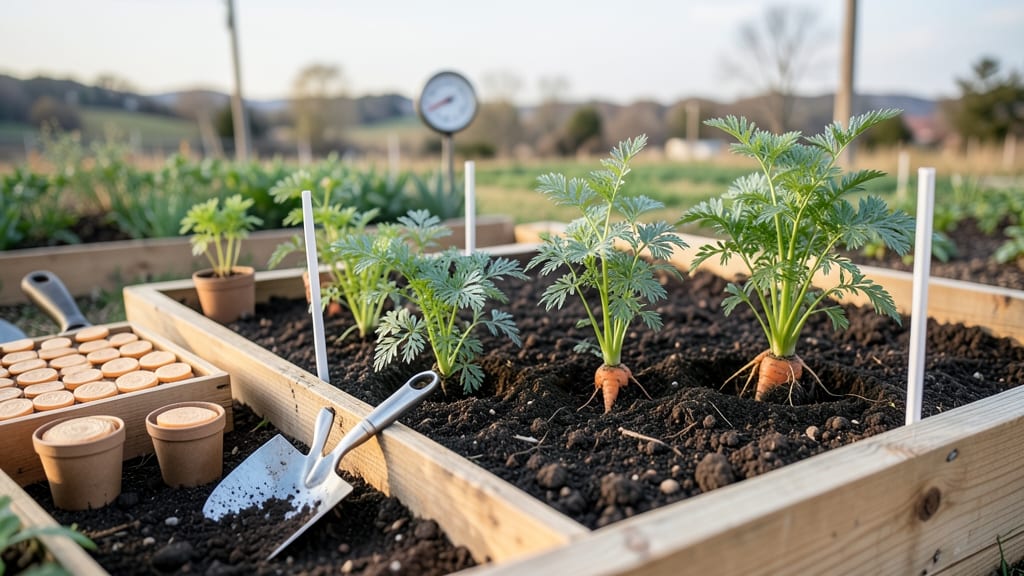
Timing your carrot planting in Montana isn’t just about the calendar—it’s about beating the early frosts and rocky soil that can turn your 🥕 dreams into disappointment.
Whether you're in Missoula’s cooler microclimate or Billings’ slightly warmer valleys, getting the window right means the difference between a bountiful harvest and a patchy garden.
Most gardeners in zones 4-7 swear by planting between mid-April and early July for spring carrots, but the real secret lies in soil temperature—not just air temps. Too cold, and your seeds will rot; too warm, and you risk forking or bitter roots.
I’ll show you exactly when to start seeds indoors or direct-sow outdoors, plus how to stretch your harvest into fall.
Fall planting? Don’t wait until August—late July is your cutoff for a second crop before the first frost hits. We’ll also cover cold-hardy varieties that thrive in Montana’s short season, so you’re not left with half-grown roots when the snow flies. Ready to master the timing?
With these strategies, you’ll dodge common mistakes like planting too late or choosing the wrong variety for your zone. Let’s get those carrots growing—crisp, sweet, and ready to pull from the soil just as the leaves turn gold.
Best planting times for carrots in Montana’s climate zones
Montana’s diverse climate—from the Missoula Valley’s mild winters to Billings’ continental extremes—means your carrot planting window can vary by hundreds of miles.
Most of the state falls in USDA Zones 4-6, where last frost dates range from late April in western valleys to early June in eastern plains.
Timing is everything: plant too early, and seedlings rot in cold soil; too late, and you’ll miss the 120-150 frost-free days needed for a full harvest.
For spring carrots, aim to sow seeds 2-4 weeks before your last frost date.
In Zone 4 (e.g., Glacier National Park), that’s mid-April; in Zone 6 (e.g., Bozeman), early May. Fall planting works too—sow seeds 8-10 weeks before your first frost (late July to early August in most areas).
This strategy lets you harvest before winter sets in, even if the ground freezes by October.
Soil temperature is critical: carrots won’t germinate well below 50°F. Use a soil thermometer to check—if it’s colder, wait or use black plastic mulch to warm the soil faster.
In Western Montana, where springs are wetter, you might need to plant in raised beds to avoid soggy soil, which causes rot and forking.
Regional variations matter: Eastern Montana (e.g., Great Falls) has shorter growing seasons, while Western Montana (e.g., Sandpoint) can extend spring planting until early June. Always check your local USDA Plant Hardiness Zone Map or your county’s agricultural extension office for precise frost dates tailored to your microclimate.
Here’s a quick guide to Montana’s three planting windows and what to expect:
| Planting Window | Ideal Months | Soil Temp Requirement | Frost Risk | Harvest Window |
|---|---|---|---|---|
| Early Spring | Mid-April to May 15 | 50°F+ | Low (after last frost) | June–September |
| Late Summer (Fall) | Late July–Early August | 50°F+ | High (before first frost) | September–November |
| Succession Planting | Every 2–3 weeks (May–July) | 50°F+ | Moderate (staggered frosts) | June–October |
If you’re in Zone 5 or 6 (like Bozeman or Butte), you can push spring planting until early June for a late-summer harvest. But in Zone 4, stick to April–May to avoid bolting (when carrots flower prematurely due to heat).
For fall crops, prioritize fast-maturing varieties (like ‘Paris Market’) to harvest before hard frosts hit in late September or October.
Pro tip: Direct sow seeds—carrots hate being transplanted. Scatter them thinly in 1/4-inch-deep furrows, 2 inches apart, and keep the soil moist until germination (which takes 10–21 days, depending on temperature). Thin seedlings to 3–4 inches apart once they’re 2 inches tall to prevent competition.
Montana’s rocky or clay-heavy soils can also stunt carrot growth. Amend beds with compost or fine sand to create loose, well-draining soil. If your garden has large rocks, grow short varieties like ‘Little Finger’ or use container gardening with deep pots (at least 12 inches tall).
For a continuous harvest, try succession planting: sow seeds every 2–3 weeks from May through July. This ensures you’re always pulling fresh carrots, even if the first batch bolts or the weather turns unpredictable.
Pair this with row covers in early spring or late fall to extend your season by 2–4 weeks.
Remember: Montana’s weather is unpredictable. Always have a backup plan—like a greenhouse or cold frame—for late-season seedlings if an unexpected frost rolls in. With the right timing and preparation, you’ll be feasting on homegrown carrots from June through October.
Top cold-hardy carrot varieties for Montana gardens
Montana’s short growing season demands carrot varieties that thrive in cool temperatures and resist early frosts.
I’ve grown Nantes, Danvers, and Chantenay types here, and these three stand out for their cold tolerance and adaptability to rocky soils. Nantes varieties like 'Paris Market' mature in just 60 days and handle light frosts, while Danvers types such as 'Autumn King' store well and tolerate 28°F temps.
For gardeners in Zone 4 (like Kalispell), I recommend short-day varieties that mature quickly. In Zone 6 (Helena), you can push the season with slightly slower but hardier types. Always check seed packets for days to maturity—this is your best guide for Montana’s unpredictable summers.
Here’s how these varieties compare for cold tolerance, flavor, and adaptability to Montana’s conditions:
| Variety | Cold Tolerance | Days to Maturity | Best For |
|---|---|---|---|
| Nantes (e.g., 'Paris Market') | ❄️ 28°F | 60-70 days | Early spring/fall, sandy soil |
| Danvers (e.g., 'Autumn King') | ❄️ 25°F | 70-80 days | Storage, rocky soil, late fall |
| Chantenay (e.g., 'Red-Cored Chantenay') | ❄️ 22°F | 65-75 days | Clay soil, succession planting |
If you’re planting in late July for a fall crop, prioritize varieties with 70-day maturity or less. 'Nelson' (a Danvers type) is my go-to for late-season planting—it handles Montana’s early frosts better than most.
For sweetness, 'Rainbow' carrots (a Nantes mix) win, but they’re less cold-hardy, so plant them in protected beds if extending the season.
Pro tip: Mix varieties in your garden. Plant Nantes for early harvests, Danvers for storage, and Chantenay for heavy soils. This staggered approach ensures you have carrots ready to pull from June through October, even with Montana’s variable weather.
Always start with organic seed from reputable suppliers (like High Mowing Seeds or Baker Creek) to avoid bringing in pests. And remember: soil prep matters just as much as variety choice—loosen rocky soil with compost before planting to prevent forking.
For gardeners in Western Montana (like Missoula), where summers are cooler, opt for earlier-maturing varieties. In Eastern Montana (Billings), you can push the season slightly later, but watch for drought stressconsistent moisture to grow straight.