
Plants
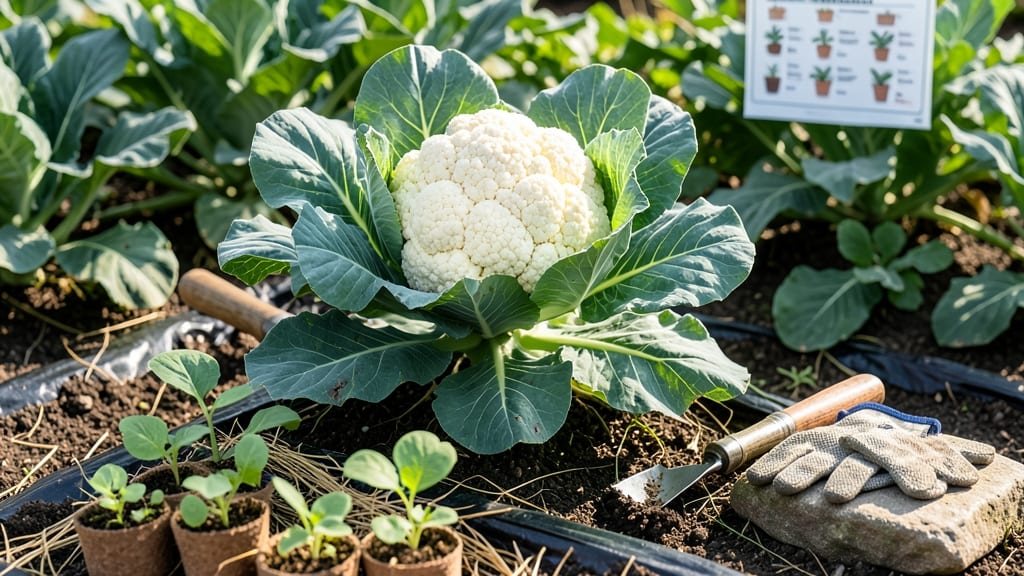
Planting cauliflower in North Carolina at the wrong time can mean the difference between a bountiful harvest and a sad, bolted mess. With two ideal windows—early spring and late summer—timing matters more than you might think, especially when frost dates shift from the coast to the mountains.
If you've ever stared at your 🥬 seedlings wondering why they're running to flower before forming heads, you're not alone. The key is understanding how your specific elevation zone affects frost dates, which can vary by hundreds of days across the state.
Let me break down the exact frost-free windows for NC's five zones so you can plant with confidence.
Whether you're in the 7a-8b zones of the Piedmont or the cooler mountain regions, we'll cover when to start seeds indoors and when to transplant for both spring and fall crops.
I'll also share my top tips for beating NC's heat-induced bolting—because nobody wants their cauliflower turning into tiny broccoli before harvest time.
Ready to grow perfect heads of cauliflower? Let's dive into the planting schedule that actually works for your corner of North Carolina, from soil prep to harvest-ready curds in 70 days or less.
NC cauliflower planting calendar by elevation zone (coastal to Mountains)
North Carolina’s five distinct elevation zones create wildly different planting conditions for cauliflower. The Coastal Plain enjoys earlier springs and milder winters, while the Mountains face shorter growing seasons and colder nights.
To avoid bolting or frost damage, timing is everything—especially when transplanting seedlings. Let’s break down the exact frost-free windows for each zone.
Your last frost date shifts dramatically across NC. In the Coastal Plain (Zone 8a), you can plant as early as January for fall crops, while Mountain growers (Zone 6b) must wait until late April for spring plantings.
The key is aligning your seed starting or seedling transplant with soil temperatures above 60°F and 120+ frost-free days until harvest.
Here’s your zone-by-zone planting calendar, including ideal transplant windows and harvest timelines. Use this as your guide to pick the perfect time for spring or fall crops in your area.
If you’re in the Coastal Plain, you’ve got a 120-day window for spring planting—ideal for early-maturing varieties like ‘Snowball Y Improved’. But in the Mountains, your window shrinks to just 90 days, so opt for heat-tolerant varieties like ‘Cheddar’ that handle cooler soils better.
Always check your local NC State Extension
How to adjust planting for early bolting in NC’s hot summers
NC’s summer heat can turn your cauliflower into a flowering disaster before you even get a harvest. When temperatures climb above 80°F, plants bolt—sending up tall stems and bitter, inedible flowers. The key is to cool the soil and extend the growing season with smart techniques tailored to NC’s climate. Start by choosing heat-tolerant varieties like ‘Snowball Y Improved’ or ‘Cheddar’, which handle Piedmont heat better than standard types. These varieties can tolerate 75-80°F days without bolting as quickly. Pair them with shade cloth (30-50%) during peak afternoon heat (12 PM–4 PM) to drop soil temps by 10-15°FFor mountain growers (USDA 6a-7a), focus on spring planting (March–April) when days are cooler. Use cold frames to extend the season into early summer. In coastal areas (USDA 8a-8b), fall planting (August–September) works best, with harvests before hurricane season disrupts growth.
Pro tip: Test soil temps with a thermometer—ideal planting temps are 60-70°F. If your soil runs hotter, wait or use soil cooling methods like drip irrigation or shade fabric. With these adjustments, you’ll beat the heat and grow plump, harvest-ready heads instead of bitter flowers.