
Plants
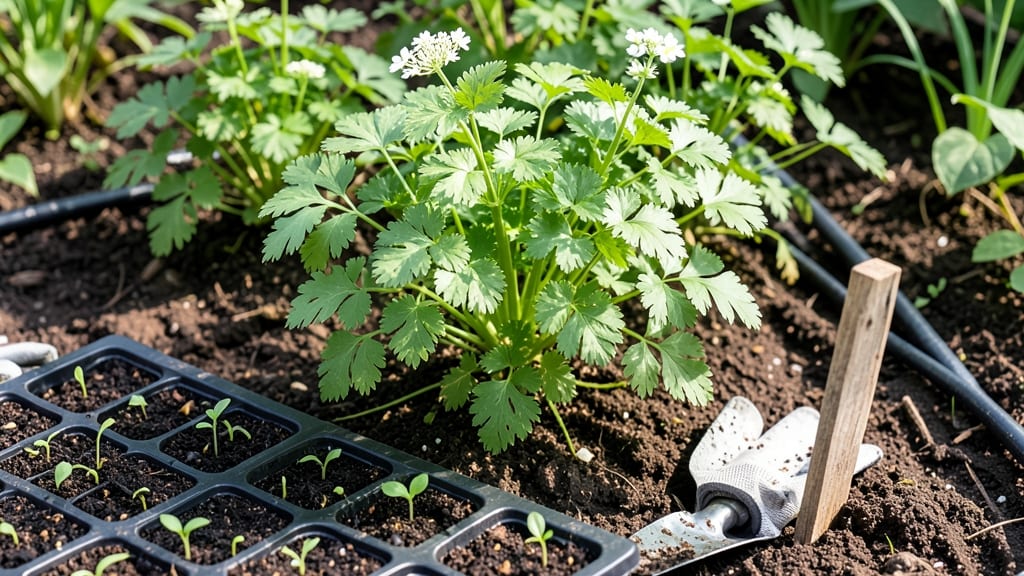
Planting cilantro at the wrong time in Ohio can turn your fresh herb dreams into a bitter disappointment—especially when the heat triggers early bolting. The key to lush, flavorful 🌿 cilantro lies in understanding Ohio's cool-season windows, where temperatures stay mild enough for steady growth.
For most of Ohio's USDA Zone 6a, the ideal planting window opens in early spring (March to April) and late summer (August to September). These periods align with your last and first frost dates, giving cilantro the 4-6 weeks it needs to establish before summer's heat sets in.
Why does timing matter so much? Cilantro hates heat—it bolts (goes to seed) faster than you can say "taco night." By planting in these cooler windows, you'll avoid the frustration of watching your herb turn woody or flower prematurely, ruining that bright, citrusy flavor we all love.
I'll walk you through exactly how to time your plantings, choose the right varieties for Ohio's climate, and keep your cilantro thriving from seed to harvest—no bitter surprises included. Let's get started.
Ohio’s best planting windows for cilantro: cool-season timing explained
Ohio’s USDA Zone 6a climate creates two ideal windows for growing cilantro: early spring and late summer. The key is planting when soil temperatures stay below 75°F—cilantro bolts (goes to seed) when stressed by heat.
In my garden, I’ve found that timing these windows correctly means the difference between flavorful leaves and bitter disappointment.
For spring planting, aim for 4-6 weeks before Ohio’s last frost date—typically between mid-March and early April. This gives cilantro time to establish before summer heat arrives.
In northern Ohio, where frosts linger longer, start seeds indoors in late February for an earlier harvest. Southern Ohio gardeners can plant directly outdoors by early March.
Fall planting offers a second chance for a harvest before frost. Sow seeds 6-8 weeks before Ohio’s first frost—usually between mid-August and early September. This timing ensures cilantro matures before temperatures drop below 40°F, which can damage tender leaves.
I’ve had great success with late August plantings in my Columbus garden, yielding fresh cilantro through October.
Microclimates matter in Ohio. Urban areas like Cleveland may experience earlier last frosts (late April), while rural Appalachian regions can see frosts into May. Adjust your planting dates by 1-2 weeks based on your local frost history. Check the Old Farmer’s Almanac or your local Cooperative Extension office for precise dates.
To extend your growing season, use row covers or cold frames in early spring or late fall. These protect young plants from light frosts (28-32°F) and allow for earlier or later plantings.
I’ve successfully grown cilantro through November using a simple floating row cover, adding 4-6 extra weeks of harvest time.
Cilantro thrives in cool weather but struggles when soil temperatures exceed 70°F. In Ohio’s summer heat, cilantro bolts within 2-3 weeks of planting.
To avoid this, I recommend succession planting every 2 weeks in spring and fall, ensuring a steady supply of fresh leaves before the heat sets in.
Soil preparation is critical. Cilantro prefers well-draining, fertile soil with a pH between 6.2 and 6.8. Before planting, amend your garden beds with compost or aged manure to improve moisture retention and nutrient availability.
In my experience, raised beds work exceptionally well for cilantro, as they warm up faster in spring and drain excess water during Ohio’s unpredictable rains.
When planting, space seeds ½ inch apart in rows 12-18 inches apart. Cilantro germinates best in 60-70°F soil temperatures, so avoid planting when soil is too cold (50°F) or too hot (80°F).
For faster germination, soak seeds in warm water for 24 hours before sowing. Thin seedlings to 4-6 inches apart once they reach 2 inches tall to prevent overcrowding.
Container growing is another great option for Ohio gardeners with limited space. Use pots at least 6 inches deep and fill them with a lightweight potting mix. Place containers in a partially shaded spot during summer afternoons to protect cilantro from intense heat. I’ve grown cilantro successfully on my balcony in Cincinnati using 5-gallon buckets, harvesting leaves for months.
Key takeaway: In Ohio, cilantro’s success hinges on cool-season timing, proper soil prep, and protective measures against heat. By planting in early spring and late summer and using row covers or containers, you can enjoy fresh cilantro year-round—even in Ohio’s unpredictable climate.
| Planting Window | Ideal Months | Soil Temp | Key Tips |
|---|---|---|---|
| Spring Planting | Mid-March to Early April | 50-70°F | Use row covers for frost protection; succession plant every 2 weeks |
| Fall Planting | Mid-August to Early September | 60-75°F | Harvest before first frost; avoid planting too late |
| Container Growing | Year-Round (with protection) | 55-70°F | Use 6"+ pots; provide afternoon shade in summer |
| Succession Planting | Every 2 Weeks (Spring/Fall) | 60-70°F | Ensures continuous harvest; prevents bolting |
Remember, cilantro’s flavor peaks when harvested young. Regularly snip outer leaves to encourage bushier growth and delay bolting. With the right timing and care, you’ll enjoy homegrown cilantro from spring through fall—no bitter surprises here! 🌿
Ohio’s best planting windows for cilantro: cool-season timing explained
Ohio’s USDA Zone 6a climate means cilantro thrives in two distinct windows: early spring and late summer. These periods align with Ohio’s last frost date (April 15) and first frost (October 15), giving cilantro the cool weather it craves.
Plant too early, and frost will kill seedlings; too late, and summer heat will trigger bolting.
For spring plantings, sow seeds 4-6 weeks before your last frost—typically March to early April. This timing ensures cilantro matures before summer’s heat peaks. In northern Ohio, aim for late March; in southern Ohio, early April works best due to warmer microclimates.
For fall plantings, start seeds 6-8 weeks before your first frost—usually August to early September. This gives cilantro time to grow before temperatures drop. A fall harvest often yields the freshest flavor, as cooler nights slow bolting.
| Stage | Action | Ohio Timing |
|---|---|---|
| Spring Planting | Sow seeds | March–early April |
| Spring Harvest | Harvest leaves | May–June |
| Fall Planting | Sow seeds | August–early September |
| Fall Harvest | Harvest leaves | October–November |
| Extend Season | Use row covers | April–May, Sept–Oct |
Ohio’s microclimates can shift planting times by weeks. Urban areas like Columbus often warm up faster than rural zones, so adjust your schedule accordingly. For example, if your garden sits in a sunny, sheltered spot, you might plant 1-2 weeks earlier than the average timeline.
To extend your cilantro’s growing season, use lightweight row covers during late spring or early fall. These protect seedlings from late frosts and early heat waves, giving you an extra 2-3 weeks of harvest time.
Just remove covers during the day if temperatures rise above 80°F (27°C) to prevent overheating.
Remember: cilantro’s ideal soil temperature is 60-75°F (15-24°C). If your soil heats up beyond 75°F (24°C), bolting is inevitable. Use shade cloth or plant in partial shade during summer to buy extra time for a fall harvest.