
Plants
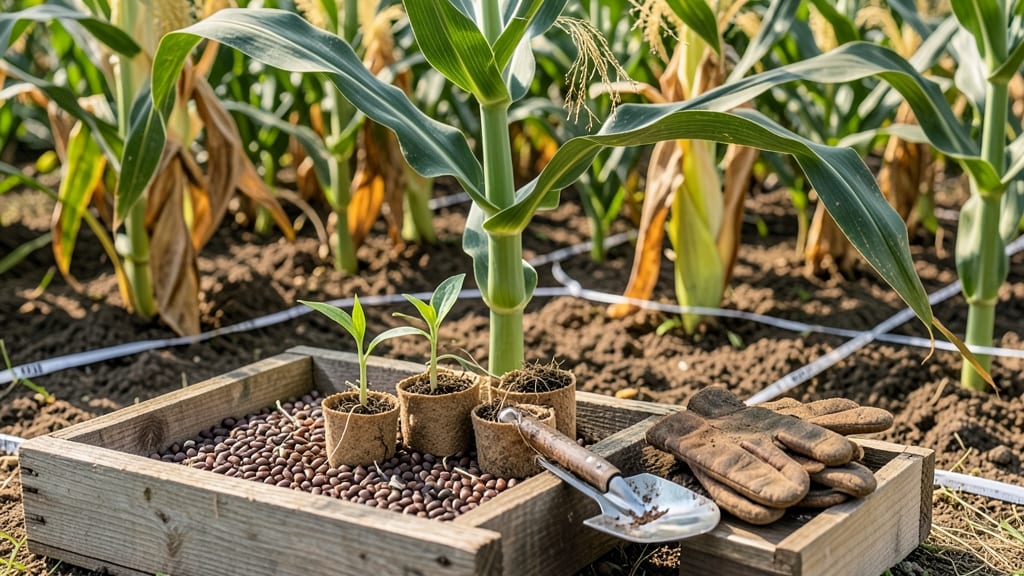
Planting corn in East Texas isn't just about dropping seeds in the dirt—it's about timing it perfectly so your 🌽 thrives in the heat and humidity.
The window between mid-April and late May is your golden opportunity, but even a few days off can mean the difference between a bountiful harvest and a sad, wilted disappointment.
Most gardeners in USDA Zone 8a assume "spring" means go ahead and plant, but the real secret lies in waiting for soil temperatures to hit 60°F and those last frost dates to fade into memory.
Too early, and your tender seedlings will shiver away; too late, and the summer heat will rush in before your corn has a chance to set those sweet, plump ears.
I've learned the hard way that East Texas corn isn't just about patience—it's about strategy.
Whether you're growing sweet corn for dinner or field corn for livestock, understanding your microclimate (Deep East vs. Northeast Texas) and choosing the right variety can make all the difference between a few sad ears and a towering stalk of perfection.
Let me show you exactly how to nail those planting dates, avoid common mistakes, and ensure your corn grows strong enough to handle East Texas' infamous summer heat. By the end, you'll know exactly when to plant—and how to give your corn the best shot at success.
Best planting windows for East Texas corn varieties
East Texas gardeners face a unique challenge with corn planting—balancing the region's humid summers and unpredictable spring frosts. The average last frost date in most of East Texas falls around March 15, but Deep East Texas (like Beaumont) can see frosts as late as March 30.
For Northeast Texas (like Tyler), expect the last frost by March 15 in most years.
Corn thrives when soil temperatures stay above 60°F consistently. In East Texas, this typically happens by mid-April, making it the ideal start window.
However, early-maturing varieties (like 'Silver Queen') can handle slightly cooler soils, while late-season types (such as 'Peaches and Cream') need warmer conditions to avoid stunted growth.
Regional variations matter: In Deep East Texas, where humidity lingers longer, plant by April 1 to avoid fungal diseases. In Northeast Texas, you can stretch planting until late May for late-season harvests, but ensure 120-day maturity varieties finish before first frost (November 15).
Here’s a quick guide to align your planting with East Texas microclimates:
| Region | Best Planting Window | Soil Temp Requirement | Key Varieties |
|---|---|---|---|
| Deep East Texas (Beaumont, Orange) | April 1–15 | 60°F+ (consistent) | 'Silver Queen' (70 days), 'Peaches and Cream' (120 days) |
| Northeast Texas (Tyler, Longview) | April 15–May 15 | 65°F+ (warmer for late varieties) | 'Ambrosia' (80 days), 'Bodacious' (115 days) |
| East Texas Piney Woods (Lufkin, Nacogdoches) | April 10–May 1 | 62°F+ (moderate humidity) | 'Country Gentleman' (100 days), 'Golden Bantam' (75 days) |
For sweet corn, prioritize 60–90-day varieties to harvest before July’s peak heat. Field corn (for livestock or grinding) can handle 100–120 days, but plant it by May 1 to avoid drought stress during silking (flowering). Popcorn varieties like 'Glass Gem' need 90–110 days and thrive when planted by April 15.
East Texas’s high humidity demands extra vigilance against corn smut and leaf blight. Space rows 30 inches apart and use drip irrigation to keep foliage dry. Avoid overhead watering after 10 AM to prevent fungal spores from spreading.
Pro tip: Succession planting works well in East Texas. After your first harvest in late July, sow a second crop of quick-maturing varieties (like 'Early Sunglow') by August 1 for a fall harvest before frosts arrive.
Monitor local weather forecasts for unexpected cold snaps in May. If nighttime temps drop below 50°F, use row covers or black plastic mulch to protect young plants until they’re 12 inches tall. 🌱
How to adjust planting dates for early vs. late-maturing corn
Choosing the right corn variety for East Texas isn't just about picking seeds—it's about matching your planting timeline to your corn's maturity rate.
Early-season varieties like 'Silver Queen' (60-70 days) need to be in the ground by mid-April, while late-season types such as 'Peaches and Cream' (90+ days) can wait until late May.
Your goal is to ensure corn silks (female flowers) and tassels (male flowers) mature together—otherwise, you'll end up with empty ears. In East Texas, where summer heat arrives early, late-maturing varieties risk drought stress or heat damage before pollination completes.
The key is calculating your frost-free deadline. Subtract your chosen variety's days to maturity from your first frost date (around November 15 in Zone 8a). For example, a 75-day variety must be planted by June 20—but by then, East Texas summers are scorching.
This is why I recommend sticking to 60-80 day varieties for reliable harvests.
🌽
📌 Step-by-Step Planting Timeline
- 🌱 Step 1: Test soil temperature—plant only when it reaches 60°F+ (use a soil thermometer).
- 📅 Step 2: For early corn, plant 2-3 weeks after last frost (mid-April).
- ⏳ Step 3: For late corn, plant 4-6 weeks before frost (late May).
- 🌡️ Step 4: Monitor weather forecasts—avoid planting during predicted heatwaves.
- 🌾 Step 5: Space seeds 1 inch deep, 4 inches apart in rows 3 feet apart.
If you're growing multiple varieties, stagger your plantings every 2 weeks to extend your harvest window. For example, plant 'Early Sunglow' (65 days) in early April, followed by 'Golden Bantam' (70 days) in mid-April. This ensures you're harvesting fresh ears from late June through August.
One critical mistake I see often is planting late-maturing corn too early. While it might seem logical to get a head start, overly warm soil can cause seeds to germinate too quickly, leading to weak, leggy plants that struggle in East Texas' intense summer sun.
Wait for stable 70°F+ soil temps before planting any variety.
For added insurance, choose drought-tolerant varieties like 'Pioneer 39T03' if your area experiences irregular rainfall. These hybrids are bred to handle East Texas' unpredictable summers while still delivering sweet, juicy kernels. Pair them with mulch to retain moisture and reduce stress on your plants.