
Plants
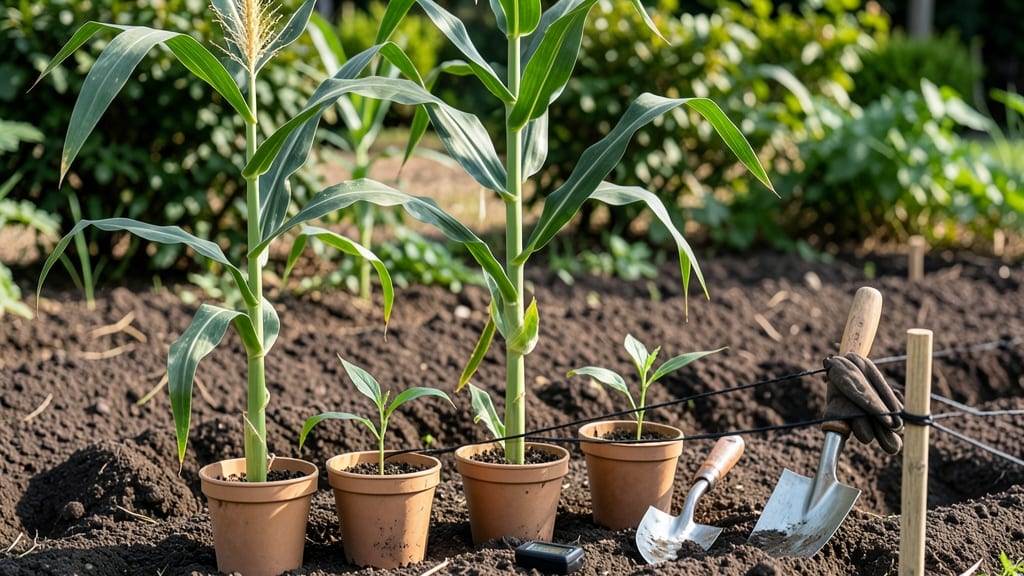
Planting corn in New Jersey at the wrong time can mean the difference between a bountiful harvest of 🌽 and wasted effort—especially when frost dates shift yearly.
The ideal window isn’t just "spring," but mid-April to early June, when soil warms to 60°F and the last frost has passed (usually around April 15, but always check local forecasts).
Why does timing matter so much? Corn thrives in warm soil and long daylight, so planting too early risks stunted growth from cold temperatures, while waiting too late cuts your harvest window short.
In USDA zones 6a-7b, coastal areas like Cape May have a longer season, while inland regions near Newark need to act faster.
I’ve grown corn in New Jersey for years, and the key isn’t just the calendar—it’s adjusting for your microclimate. Whether you’re in the Pine Barrens or the Meadowlands, knowing when to plant (and which varieties suit your zone) ensures you avoid common mistakes like frost damage or poor yields.
In this guide, I’ll break down the exact weeks before last frost for peak production, soil prep tips, and how to stretch your harvest with succession planting. Let’s get those kernels growing!
Best planting weeks for corn in New Jersey: frost dates & soil temperature guide
New Jersey’s average last frost date of April 15 marks the start of your corn planting window, but don’t rush—soil temperature is just as critical. Corn needs soil temps of 60°F+ to sprout reliably, which typically happens 2–3 weeks after the last frost.
In most of NJ, this means aiming for mid-April to early May for sweet corn varieties, with field corn and popcorn following 1–2 weeks later.
For gardeners in USDA Zones 6a–7b (covering all of NJ), the ideal planting window spans 4–6 weeks before the last frost. This gives seedlings time to establish roots before summer heat arrives.
If you’re growing early-maturing varieties (like 'Early Sunglow'), you can push planting to late May, but yields may be smaller. Always check your local NJ State Climate Office for year-specific frost predictions.
Here’s the golden rule: Wait until soil is 60°F+ and all frost risk has passed. Use a soil thermometer to confirm—cold soil delays germination, and soggy seeds rot.
In cooler inland areas (like Sussex County), this might mean waiting until late April or early May, while coastal zones (like Cape May) can start as early as mid-April.
🌱
| Corn Type | Best Planting Window (NJ) | Soil Temp Requirement | Days to Maturity | Notes |
|---|---|---|---|---|
| Sweet Corn | Mid-April to early May | 60°F+ | 60–90 days | Plant in blocks, not rows, for pollination. |
| Field Corn | Late April to early June | 60°F+ | 90–120 days | Drought-tolerant; ideal for dry inland areas. |
| Popcorn | Early May to mid-June | 60°F+ | 80–110 days | Plant in full sun; avoid late planting. |
| Succession Planting | Every 2 weeks until June 15 | 60°F+ | Varies by variety | Extend harvest season with staggered plantings. |
Pro tip: Use black plastic mulch to warm soil faster in early spring, especially in cooler northern NJ. This can shave 1–2 weeks off your planting timeline by raising soil temps by 5–10°F.
Just remove it once plants emerge to avoid overheating. For organic gardeners, spread straw mulch after planting to retain moisture and suppress weeds.
If you’re planting late varieties (like 'Silver Queen'), don’t wait past mid-June—ears may mature too close to first frost (late October), risking poor quality. Instead, opt for short-season hybrids (e.g., 'Bodacious') that mature in 70–80 days, giving you a backup harvest if summer cools unexpectedly.
For coastal gardeners, leverage your longer growing season by planting early varieties in March (if soil is workable) or succession plant every 2 weeks until June. Inland areas should focus on one main planting in early May with a backup in late May for insurance.
Always save seeds from your best ears for next year’s heirloom varieties—NJ’s humidity is perfect for preserving corn genetics!
🌽
Test your soil’s pH (6.0–6.8) and nitrogen levels before planting—corn is a heavy feeder. Amend clay soils (common in NJ) with compost or aged manure to improve drainage.
After planting, maintain 1–2 inches of water weekly, focusing on the root zone to prevent fungal diseases like corn smut, which thrives in NJ’s humid summers.
Remember: Corn is wind-pollinated, so plant in blocks (not rows) of at least 4x4 feet to ensure good pollination. If you’re short on space, try bush varieties like 'Golden Bantam,' which grow in compact 3–4 foot plants.
Happy planting—your future grilled corn on the cob starts with the right timing!
How to adjust corn planting for New Jersey’s microclimates: coastal vs. inland strategies
New Jersey’s diverse microclimates mean your corn’s success hinges on where you live. Coastal areas like Cape May and Atlantic City enjoy longer frost-free seasons (often 165+ days), while inland zones near Newark or the Pine Barrens face earlier frosts and cooler soils.
These differences can shift your planting window by 2-3 weeks—so knowing your zone is critical.
For coastal NJ, aim to plant 2-3 weeks later than inland areas. The Atlantic Ocean moderates temperatures, delaying the last frost until April 20–May 1 and extending the growing season. Varieties like 'Liberty' or 'Silver Queen' thrive here, maturing in 70–80 days and avoiding fall frosts.
Inland regions, however, need to plant as early as mid-April to maximize yields. Soil warms slower here, so use black plastic mulch or row covers to raise temperatures. Early-maturing varieties like 'Early Sunglow' (60-day harvest) are your best bet for escaping frost.
| Factor | Coastal NJ (Zones 7a-7b) | Inland NJ (Zones 6a-6b) |
|---|---|---|
| Last Frost Date | April 20–May 1 | April 10–15 |
| Ideal Planting Window | May 1–15 | Mid-April–early May |
| Best Varieties | 'Liberty', 'Silver Queen' | 'Early Sunglow', 'Bodacious' |
| Soil Warming Tip | None needed (ocean moderates temps) | Black plastic mulch or row covers |
| Succession Planting | 2 plantings (May & June) | 3 plantings (April, May, June) |
Succession planting is your secret weapon for stretching harvests. In coastal areas, plant two batches: the first in early May and a second in early June.
Inland gardeners should plant three times—mid-April, early May, and late May—to ensure continuous harvests through September. Space each batch 10–14 days apart for staggered maturity.
Don’t overlook soil preparation, either. Coastal soils often have higher salt content from ocean spray, so amend with compost and gypsum to improve drainage. Inland areas, with their clay-heavy soils, benefit from raising beds or adding sand and organic matter to prevent compaction.
Pro tip: Use a soil thermometer to confirm 60°F+ soil temps before planting—this is non-negotiable for corn germination. Coastal gardeners can wait until May, while inland areas should plant as soon as soil warms, even if frost is still a risk (use row covers for protection).