
Plants
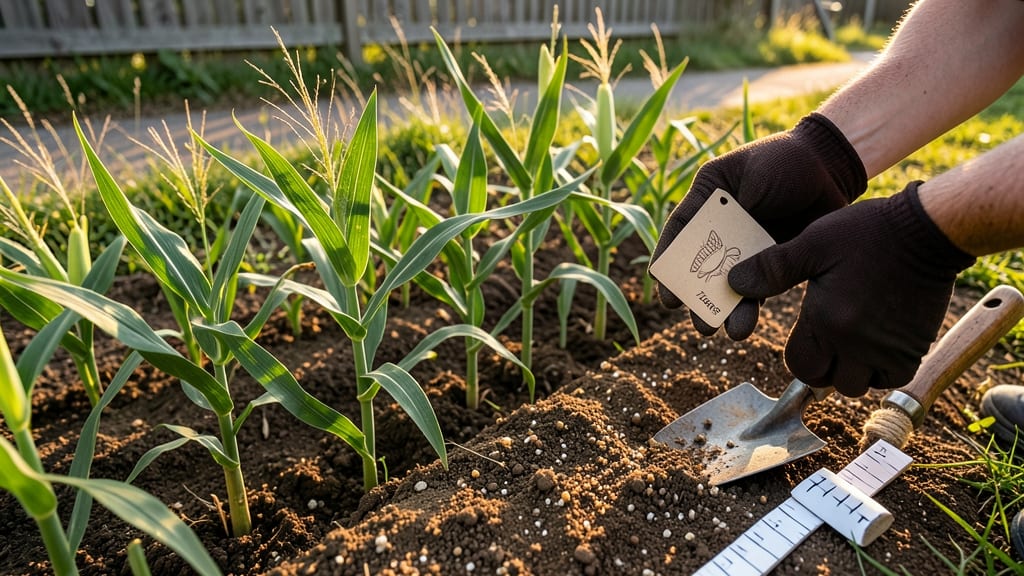
Timing your 🌽 corn planting in Connecticut is the single most important factor for a bountiful harvest—or a total flop. Plant too early, and a late frost will wipe out your tender seedlings; too late, and your ears won’t mature before autumn’s chill sets in.
The sweet spot? Waiting until after your last frost date (usually around mid-May in most of the state) when soil temperatures hit a steady 60°F.
But here’s the catch: Connecticut’s varied climate means your neighbors in Hartford might be planting a week earlier than those in coastal Stamford. I’ll break down the exact windows you need to follow, plus how to spot the perfect conditions—so you’re not guessing whether your rows are ready.
Whether you’re growing sweet corn for summer meals or field corn for next winter’s storage, getting this right makes all the difference.
Let’s cut through the confusion. You’ll learn how to adjust for your specific microclimate, which varieties thrive in Zone 6a, and even how to cheat the system with row covers if you’re eager to start early.
By the end, you’ll know exactly when to drop those seeds for ears that are plump, juicy, and ready by late summer.
No more second-guessing at the garden center. Just clear, actionable steps to time your planting like a pro—and walk away with the harvest you’ve been dreaming of.
Connecticut corn planting dates by frost Zone and variety type
Connecticut’s USDA Zones 5b-6a create a 60-75 day growing window for corn, making timing everything. The last spring frost typically arrives between April 15 (coastal areas) and May 1 (inland regions), while the first fall frost hits around October 15.
To succeed, align your planting with soil temperatures above 60°F and your corn variety’s maturity days.
Sweet corn, the most popular choice, needs 70-100 days to mature—perfect for Connecticut’s short season. Field corn (for livestock or grain) takes 90-120 days, while popcorn falls in the 85-110 day range. Each variety demands precise timing to avoid frost damage or stunted growth.
For Hartford and inland regions, aim to plant sweet corn between May 1 and June 15. This window ensures ears mature before the first fall frost in mid-October. Use early varieties (70-80 days) for late May plantings to guarantee a harvest.
In New Haven and Stamford, where coastal breezes delay frost, you can start 1-2 weeks earlier. Plant field corn by April 25 to take advantage of warmer soils near the shoreline. Monitor soil temperatures with a thermometer—corn won’t germinate below 50°F.
If you’re growing popcorn, prioritize medium-maturity varieties (90-100 days) planted by May 15. These varieties balance harvest timing with kernel development, avoiding the risk of immature or shriveled kernels from late planting.
For urban gardeners with limited space, choose bush corn varieties like 'Golden Bantam' (70 days) or 'Tom Thumb' popcorn (85 days). These compact types thrive in small plots and can be planted 2-3 weeks later than standard varieties, extending your window to late May.
Always account for microclimates—a south-facing garden may warm up 1-2 weeks earlier than a north-facing plot. Use row covers or black plastic mulch to warm soil faster if you’re pushing early plantings.
Test your soil’s readiness with a soil thermometer. Corn seeds need consistent temperatures above 60°F for 7-10 days to germinate properly. If nights dip below 50°F, delay planting or use row covers.
Remember: Succession planting is key for a continuous harvest. For sweet corn, stagger plantings every 2 weeks from May 1 to June 15. This ensures fresh ears throughout July and August, Connecticut’s peak corn season.
🌱
How to adjust corn planting timing for Connecticut’s microclimates
Connecticut’s diverse geography—from the coastal lowlands of Stamford to the high-altitude valleys of Litchfield—creates microclimates that can shift your ideal planting window by 1-2 weeks.
If you’re in a cooler, inland area like Torrington, you might need to wait until late May, while coastal gardeners in New Haven could start as early as mid-April under row covers. The key is understanding how elevation, proximity to water, and urban heat islands affect your local conditions.
Start by checking your soil temperature—corn seeds won’t sprout until the ground reaches a steady 60°F. Use a soil thermometer (or the back of your hand—if it feels warm like bathwater, it’s ready).
In high-altitude zones like Litchfield Hills, soil warms 2-3 weeks later than coastal areas, so plan accordingly. For example, if your last frost is May 10, but your soil stays cold, don’t rush—waiting an extra week prevents seed rot.
Another trick? Use row covers or cold frames to extend your season. If you’re eager to plant early in Zone 6a, cover your seeds with lightweight fabric after sowing. This can push your planting window back by 2-4 weeks, letting you start in early April.
Just remove the covers once seedlings emerge to avoid overheating. I’ve used this method in my New Haven garden to get a jump on sweet corn varieties like ‘Silver Queen.’
⚠️ Warning: Don’t Ignore These Microclimate Risks
Coastal areas: Watch for salt spray near roads—it can stunt growth. Use raised beds if your soil is sandy.
Urban gardens: Pavement and buildings create heat islands, drying soil faster. Mulch heavily to retain moisture.
High-altitude zones: Shorter growing seasons mean earlier maturing varieties (like ‘Early Sunglow’) are a must.
🌱 Pro Tip: Test your soil’s drainage—corn hates soggy roots. Amend clay soil with compost before planting.
If you’re in a warmer microclimate (like Bridgeport), you can also try a succession planting strategy. After your first harvest in early August, replant fast-maturing varieties like ‘Bodacious’ for a late-summer crop.
Just be ready to harvest by mid-October before frost hits. I’ve had success with this in my Stamford garden, extending my corn season by nearly a month.
For rural vs. urban differences, note that city gardens often warm up faster due to concrete and buildings. However, they also dry out quicker. Use drip irrigation or soaker hoses to keep soil consistently moist.
In rural areas, where nights stay cooler, focus on cold-hardy varieties like ‘Country Gentleman’ and monitor for late frosts into June.
Finally, keep an eye on local weather patterns. Check the NOAA frost forecast for your county, and adjust your planting date if early spring warmth is followed by a cold snap. Flexibility is key—if your seedlings are 2 inches tall and a frost warning pops up, cover them immediately.
With these adjustments, you’ll beat Connecticut’s quirks and enjoy corn on the cob straight from your garden.