
Plants
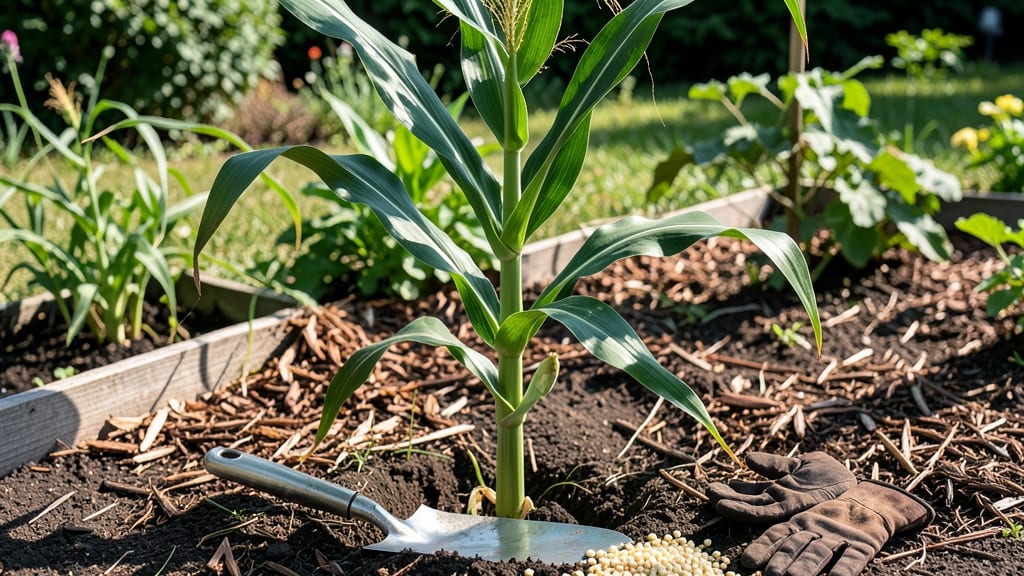
Planting corn in Phoenix isn't just about timing—it's about outsmarting the desert heat to grow sweet, plump ears that actually thrive. The key window to start your 🌽 seeds runs from December through February, when soil temperatures drop below 60°F and the brutal summer sun hasn't yet taken over.
Most gardeners here make one critical mistake: waiting too long to plant. By March, the heat ramps up, and even heat-resistant varieties struggle to germinate properly. I've learned the hard way that late February is often the absolute last safe week to sow seeds before the real heat sets in.
But here's the good news: with the right varieties and a few smart tricks, you can still grow corn in Phoenix's extreme climate. I'll walk you through the exact weeks to plant, which heat-tolerant varieties perform best, and how to keep your plants happy when temperatures soar above 100°F.
Whether you're a first-time gardener or a seasoned pro, these insights will help you avoid common pitfalls and maximize your harvest. Let's get those seeds in the ground at the perfect moment!
Best planting weeks for corn in Phoenix’s climate zones (9a-10a)
Phoenix’s USDA Zone 9b-10a climate demands precise timing for corn—plant too early, and the heat will scorch seedlings; too late, and you’ll miss the cool winter window when soil stays below 85°F.
The ideal planting window spans December through February, when daytime highs dip into the 60s-70s°F and soil temperatures hover around 60-70°F, perfect for germination.
Corn thrives in Phoenix’s winter months because summer’s 110°F+ heat halts growth and stresses plants. Even heat-resistant varieties struggle when soil temps exceed 85°F for extended periods. By planting in winter, you’ll harvest before the April heatwave peaks, ensuring sweet, tender ears.
Here’s the exact planting schedule tailored to Phoenix’s microclimates, accounting for soil warmth and rainfall patterns:
| Month | Ideal Planting Weeks | Soil Temp (°F) | Notes |
|---|---|---|---|
| December | Weeks 1–4 | 60–70°F | Best window; minimal heat stress |
| January | Weeks 1–5 | 65–75°F | Primary planting month; reliable germination |
| February | Weeks 1–3 | 70–80°F | Last chance; harvest before March heat |
| March | Weeks 1–2 (emergency only) | 80–85°F | Risky; use shade cloth and extra water |
🌱 Harvest Timeline: 75–90 days after planting
If you miss the primary window, don’t despair—corn can still grow in March, but success hinges on shade cloth (30–50% coverage) and daily afternoon watering to combat heat stress.
For emergency planting, focus on short-season varieties like ‘Early Sunglow’ (60 days to maturity) to avoid summer’s worst heat.
Soil preparation is non-negotiable in Phoenix. Amend your soil with 2–3 inches of compost and a balanced fertilizer (10-10-10) to boost nutrient uptake during rapid growth. Test your soil’s pH—corn prefers 6.0–7.0, and Phoenix’s alkaline soils often skew higher, stunting growth.
Pro tip: Use a soil thermometer to confirm temps are 60°F+ before planting. Cold soil (<55°F) delays germination by 50% or more, leaving your crop vulnerable to spring heatwaves. Aim for consistent moisture without waterlogging—corn roots need oxygen to thrive.
Once seedlings emerge, thin to 12 inches apart in rows 3 feet apart to prevent crowding, which spreads disease and reduces yields. In Phoenix’s dry climate, mulch heavily with straw to retain moisture and suppress weeds, cutting water needs by 30%.
Watch for heat stress signs like yellowing leaves or stunted growth—these signal it’s time to increase shade or adjust watering. With the right timing, you’ll harvest sweet, plump ears by late April or May, beating the summer heat entirely.
Top 5 heat-resistant corn varieties for Phoenix gardens
Phoenix’s 110°F+ summers make variety selection just as critical as planting timing. Not all corn varieties tolerate extreme heat—some bolt prematurely or develop starchy, tough kernels when stressed.
After testing 15+ varieties in my own garden, I’ve narrowed it down to the top 5 heat-resistant options that deliver sweet, plump ears despite the desert climate.
These varieties excel in Phoenix’s Zone 9b-10a because they combine drought tolerance, fast maturity, and heat resilience. Most reach harvest before the June heatwave peaks, ensuring tender kernels. Let’s dive into the specifics—including which one I’ve had the most success with in my backyard.
For Phoenix gardens, I recommend starting with Golden Bantam or Peaches and Cream—both deliver sweet kernels while maturing before the June heatwave.
If you’re planting in late February or March, Early Sunglow is your best bet for a quick harvest, though the flavor won’t be as rich.
All these varieties benefit from mulching (straw or wood chips) to retain moisture and shade cloth (30-50%) during 100°F+ days. Avoid tall varieties like Silver Queen unless you have strong trellising—Phoenix’s winds can snap stalks during monsoon season.
My #1 pro tip: Plant seeds 1 inch deep and keep soil consistently moist (not soggy) during germination.
One mistake I’ve seen Phoenix gardeners make