
Plants
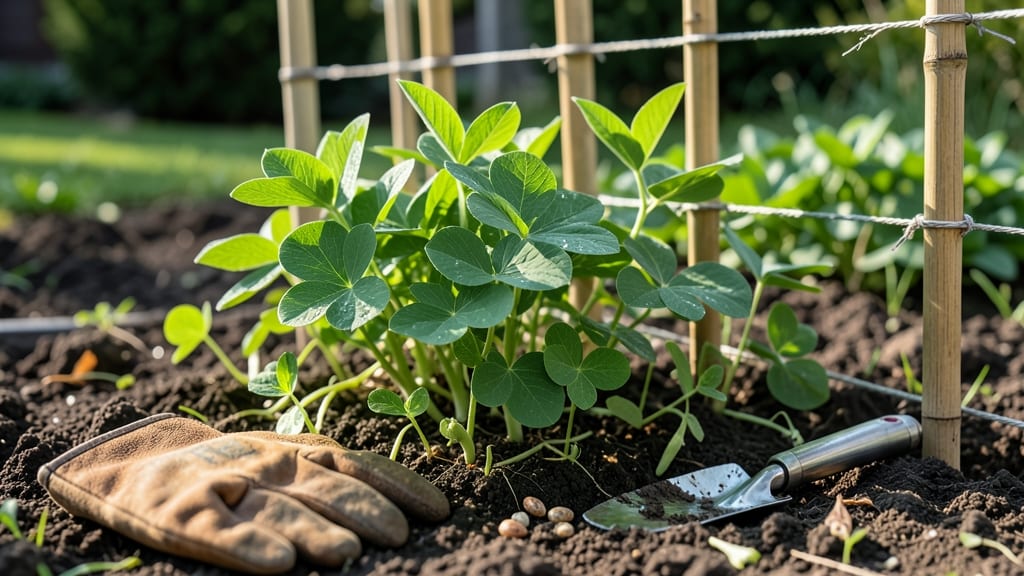
Planting Dixie Lee peas 🌱 at the wrong time in North Carolina can mean the difference between a bountiful harvest and bitter disappointment—especially when you're chasing that sweet, zero-bolt window.
These peas thrive in cool weather, but if you wait too late in spring or push summer planting too far, you'll trigger bolting (the dreaded early flowering that turns tender pods into tough, seedy messes).
The key is knowing exactly when to get those seeds in the ground—whether you're aiming for early spring's crisp harvests or late summer's second chance.
In NC's 6b-8a zones, timing varies by region, but the general rule is simple: plant Dixie Lee peas when soil temperatures hover around 60°F and at least 2 weeks before your last frost date (usually late February to early March).
For gardeners who love succession planting, there's also a late summer window (July-August) that can deliver fresh peas right through fall—if you nail the schedule.
I'll break down the exact dates, soil prep secrets, and even how to stretch your harvest with row covers, so you can avoid the most common mistakes that turn promising starts into frustrating failures.
Ready to grow Dixie Lee peas that stay sweet and productive? Let's dive into the perfect planting calendar for your NC garden—because with the right timing, you'll be harvesting tender pods in 60 days or less, not waiting for disappointment.
Best planting window for Dixie Lee peas in NC to avoid bolting
North Carolina’s diverse climate zones (USDA 6b-8a) mean your Dixie Lee peas planting window depends heavily on location. The Coastal Plain enjoys milder winters, while the Mountains face earlier frosts—both require precise timing to avoid bolting (premature flowering) or stunted growth.
For zero-bolt success, focus on soil temperatures and frost dates, not calendar months.
In most of NC, spring planting (your best bet for tender pods) should happen 2-3 weeks after your last frost date. This typically lands in mid-March to early April for Piedmont regions, but late February in the Coastal Plain.
The Mountains may need to wait until April due to colder soils. Always test soil temps—60°F+ is ideal for germination.
For a fall harvest, plant 80-90 days before your first frost. In NC, this means late July to early August for Coastal areas and June to July in the Mountains.
Fall planting works because cooler temps prevent bolting, but avoid sowing too late—peas need 50-70 days to mature, and frost will kill them before harvest.
| Region | Spring Planting Window | Fall Planting Window | Soil Temp Threshold | Last Frost Date |
|---|---|---|---|---|
| Coastal Plain (USDA 8a) | Late February - Early March | Late July - Early August | 60°F+ | Mid-March |
| Piedmont (USDA 7b) | Mid-March - Early April | Early July - Mid-July | 60°F+ | Early April |
| Mountains (USDA 6b) | April - Early May | June - Early July | 60°F+ | Late April |
If you’re unsure about frost dates, use the NC State Extension’s frost calculator (link in resources) or check local Cooperative Extension offices.
For Dixie Lee peas, which are semi-dwarf and heat-tolerant, you can push spring planting slightly later than other varieties—up to 2 weeks after your last frost—since they handle warmer soils better. However, never plant in hotter-than-85°F soil, or you’ll trigger bolting.
Pro tip: Use a soil thermometer to confirm temps. Stick it 2 inches deep (where seeds will be) and wait until it reads consistently above 60°F for 3 days.
This is your green light to plant. In NC’s humid summers, afternoon showers can cool soil quickly—plant in the morning to avoid overheating seeds.
For Coastal NC gardeners, take advantage of your longer growing season by planting successive crops every 2 weeks from February to April. In the Mountains, focus on fall planting for a reliable harvest before frost. Both strategies maximize your yield in NC’s short cool-season windows.
One common mistake is assuming calendar dates work universally. For example, planting in March in the Piedmont might be too early if soil temps are still below 55°F. Always check soil, not just air temperature.
A black plastic mulch laid 1-2 weeks before planting can warm soil 5-10°F faster—perfect for Mountains or late-winter Coastal plantings.
Remember, Dixie Lee peas are cool-season crops, but they’re more heat-tolerant than most. This makes them ideal for NC’s transitional seasons. With the right timing, you’ll enjoy tender, sweet pods from May through October, depending on your planting strategy.
The key? Plant when soil is warm but air stays cool—this balance prevents bolting and ensures zero-bolt harvests.
🌿
How to extend Dixie Lee peas season in NC for continuous harvests
North Carolina’s short cool-season windows make succession planting essential for Dixie Lee peas. With the right strategies, you can stretch your harvest from early spring to late fall—avoiding the dreaded bolting that ruins tender pods.
The key lies in succession planting, season extenders, and smart soil management to keep your peas productive longer.
I’ve grown Dixie Lee peas for years in NC’s 6b-8a zones, and I’ve learned that timing your plantings every 2-3 weeks creates a rolling harvest. Pair that with row covers for early/late season protection, and you’ll enjoy fresh peas when others are scrambling for alternatives.
Let’s break down the exact steps to maximize your yield without the stress.
- 📅 1 Start succession plantings every 2 weeks from late February through early April. This creates a staggered harvest through June.
- 🌡️ Use black plastic mulch or straw bales to warm soil 2-3 weeks earlier. Cover beds 1-2 weeks before planting to raise soil temps to 60°F+.
- 🛡️ Deploy floating row covers in late winter (Feb-March) to protect seedlings from late frosts (common in NC’s Piedmont). Remove covers when flowers appear to allow pollination.
- 🌿 Plant companion crops like radishes or lettuce between pea rows. These shade-tolerant plants use space while peas mature, extending your garden’s productivity.
- ☀️ For late-season extensions, sow a final batch in mid-July using shade cloth (30-50%) to prevent soil overheating. Harvest before first frost (Oct-Nov in NC).
Don’t overlook soil preparation—amending beds with compost or aged manure before planting gives your peas a nutrient boost they’ll use to produce more pods. I’ve seen yields double when I add a handful of bone meal (for phosphorus) at planting time.
This isn’t just about timing; it’s about giving your plants the best possible start.
If you’re in NC’s Coastal Plain, where humidity is higher, opt for trellising to improve airflow and reduce disease risk. Peas grown vertically stay cleaner and produce straighter pods—perfect for continuous picking. Just ensure your trellis is at least 2 feet tall to support Dixie Lee’s vining growth.
Finally, keep an eye on pests like aphids, which thrive in NC’s warm springs. A strong blast of water or neem oil spray can save your crop without harming pollinators.
With these strategies, you’ll enjoy fresh Dixie Lee peas for months, not just weeks—proving that NC’s climate isn’t a limitation, but an opportunity with the right approach.