
Plants
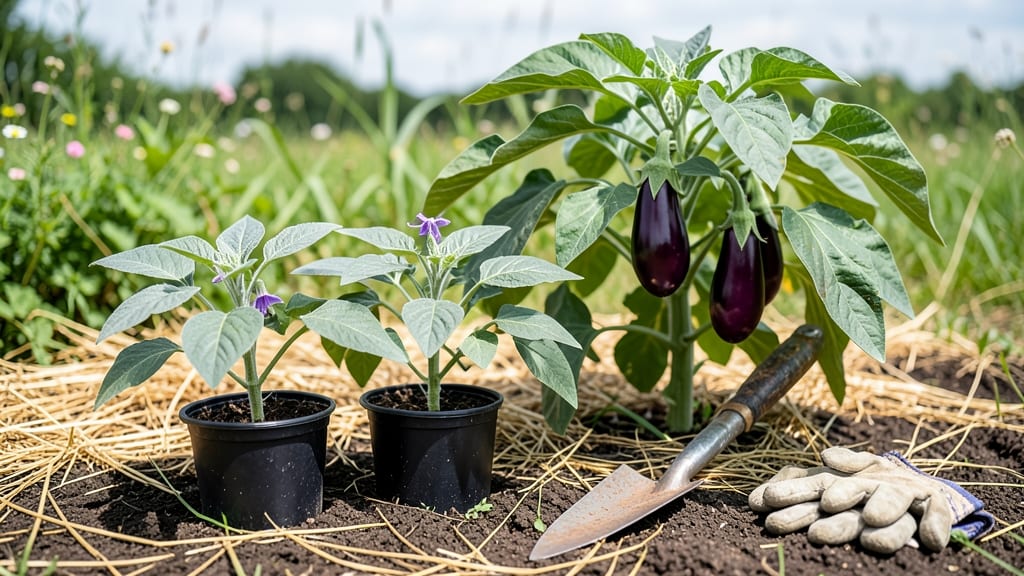
Planting eggplant in Florida at the wrong time can turn your garden dreams into a wilted mess—but timing it right means juicy, glossy 🍆 harvests all season long.
Unlike cooler climates, Florida’s frost-free zones (especially South Florida) let you grow eggplants year-round, but even here, soil temperature is the real game-changer.
Most gardeners in USDA Zones 8a-11 assume March-September is the only window, but North Florida’s cooler pockets (like Jacksonville) need to wait until soil hits 70°F+—often not until April.
Meanwhile, South Florida can start as early as February if you’re using transplants and black plastic mulch to warm the soil faster.
Here’s the secret: eggplants thrive when soil temps are consistent, not just air temps. I’ll show you exactly how to test your soil, when to use row covers vs. mulch, and why planting too early in North Florida can lead to stunted growth—or worse, no fruit at all.
Whether you’re a first-time gardener or a seasoned pro, these soil-temperature tricks will help you avoid common mistakes and maximize your harvest from June through November. Let’s get those eggplants growing right!
Florida eggplant planting calendar: best months by region
Florida’s diverse climate means eggplant planting times vary dramatically from North Florida’s cooler pockets to South Florida’s frost-free zones. Unlike northern states, you won’t face harsh winters—but soil temperature (not air temperature) dictates success.
Eggplants need consistent warmth (70°F+ soil) to thrive, making March through September the sweet spot for most regions.
In North Florida (USDA Zones 8a-8b), where light frosts can still occur, aim to plant after your last frost date (typically mid-February to early March).
Meanwhile, Central Florida (Zones 9a-9b) offers a 6-month window from February to July, while South Florida (Zones 10a-11) can plant year-round—though summer heat may slow growth without shade.
For maximum yields, align your planting with Florida’s humidity peaks (June-September) while avoiding extreme summer heatwaves (above 95°F), which stress plants. Transplants (not seeds) are ideal in Florida—seedlings sprout faster in warm soil, giving you a 60-75 day head start on harvests.
| Region | Best Planting Window | Soil Temp Requirement | Key Considerations |
|---|---|---|---|
| North Florida (Zones 8a-8b) | March–April (transplants) or August–September (fall crop) | 70°F+ (use black plastic mulch to warm soil) | Frost risk until March; prioritize row covers for early starts. |
| Central Florida (Zones 9a-9b) | February–July (year-round with shade) | 65°F+ (tolerates slight dips with mulch) | Humidity spikes in summer—prune leaves for airflow. |
| South Florida (Zones 10a-11) | January–December (year-round) | 60°F+ (minimal risk; shade cloth recommended in summer) | Watch for pests (aphids, whiteflies)—use neem oil preventatively. |
Pro Tip: In North Florida, plant transplants (not seeds) in late February under row covers to jumpstart growth. By March 15, soil temps should reliably hit 70°F, eliminating frost risk. For South Florida, January plantings avoid summer’s brutal heat, while August starts capitalize on shorter days before harvest.
Regional Hack: Central Florida gardeners can double-crop—plant transplants in February for a spring harvest and seeds in August for a fall yield. Just ensure 120 days between plantings to stagger maturity. Succession planting works too: Add new transplants every 2 weeks in March–May for continuous harvests through October.
Heat Tolerance Threshold: Eggplants wilts at 95°F+—use shade cloth (30-50%) in June–August to protect leaves. Drip irrigation at soil level (not overhead) prevents fungal blooms like powdery mildew, a common issue in Florida’s humid summers. Morning watering (before 9 AM) maximizes root absorption and minimizes evaporation.
Transplant vs. Seed: Florida’s short growing season (even in the south) favors transplants—seedlings take 10-14 days to sprout in 60°F+ soil, while transplants hit 60-75 days to harvest faster. Buy heat-tolerant varieties like ‘Black Beauty’ or ‘Ichiban’—they handle Florida’s 90°F+ spells better than standard types. Seed-starting indoors in January (for North Florida) gives you a 4-week head start on outdoor planting.
Fall Planting Strategy: For a second crop, plant transplants in August—they’ll mature by November before cooler temps slow growth. Mulch heavily (straw or black plastic) to retain soil warmth into October. In South Florida, winter plantings (December–January) thrive with shade cloth during the coolest months (60–65°F).
Key Takeaway: Florida’s frost-free zones and long summers make eggplant a year-round possibility—but soil temperature (not just air temp) is the #1 predictor of success. Test soil warmth with a soil thermometer before planting; 70°F+ is non-negotiable. Regional timing (North vs. South) and heat management (shade, mulch, watering) will determine whether your eggplants thrive or struggle.
Soil temperature secrets: how to test and optimize for eggplant growth
Eggplants thrive when soil temperatures hit 70°F or higher. In Florida’s cooler pockets—especially in North Florida—this can be tricky. Testing and warming your soil properly is the difference between fast germination and stunted seedlings. Let’s break down the steps to get your soil eggplant-ready.
First, check your soil temperature using a soil thermometer (available at garden centers for under $10). Insert it 2 inches deep in the morning, as temperatures fluctuate less then.
If it’s below 70°F, your eggplants will sit in the soil for weeks, waiting for warmth. This is a common mistake in February plantings in North Florida.
If your soil is too cool, don’t panic. Black plastic mulch is your best friend—it raises soil temps by 10-15°F within days. Lay it down 1-2 weeks before planting to give your soil a boost.
For North Florida gardeners, this is especially critical in March, when mornings can still dip into the 50s.
Another trick? Plant eggplant transplants instead of seeds when soil temps are 60-65°F. Transplants germinate faster and give you a head start. Just avoid planting seeds in cool soil—they’ll rot before sprouting. Pro tip: Warm your seed-starting mix with a seedling heat mat if you’re starting indoors.
Once your soil hits 70°F+, your eggplants will sprout in 7-14 days. But keep an eye on humidity levels—Florida’s summer heat can cause fungal issues like powdery mildew.
Water in the morning and avoid overhead sprinkling to prevent problems. With the right soil temp, your eggplants will grow fast and strong, ready for harvest in 75-90 days.
Remember, South Florida gardeners have it easier—soil temps rarely drop below 70°F, making year-round planting possible. But even in the frost-free zones, soil prep matters.
Amend your soil with compost and a balanced fertilizer (like 10-10-10) before planting to give your eggplants the nutrients they need to thrive.
Don’t let cool soil slow you down. With these soil temperature secrets, you’ll be harvesting glossy, firm eggplants in no time—whether you’re in Miami or Tallahassee! 🌱