
Flowers
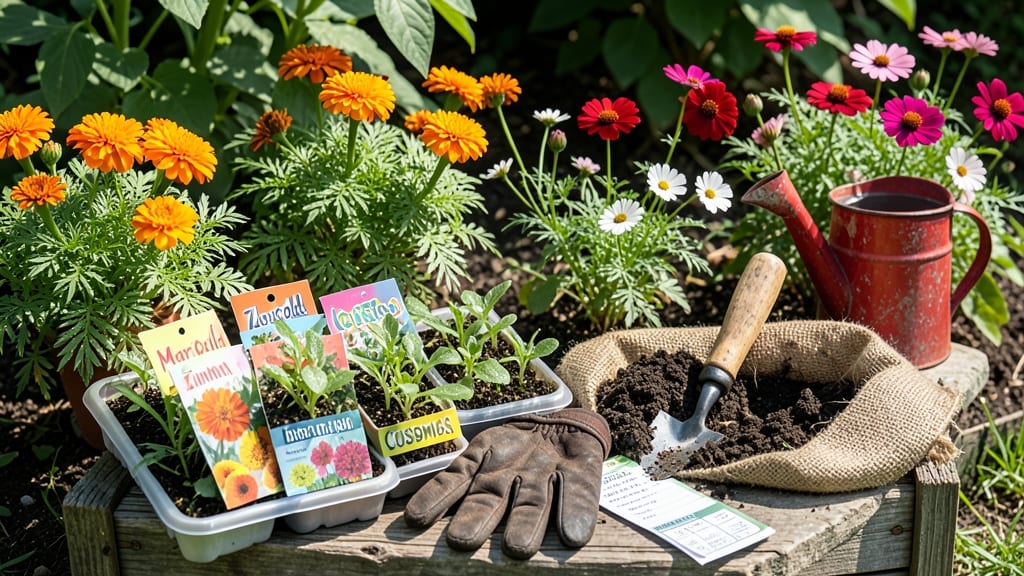
When to plant flower seeds in Indiana 🌸 just right in USDA Zone 6a can mean the difference between a garden bursting with color and a sad, frost-nipped disappointment. With last frost dates creeping into mid-April and unpredictable weather patterns, knowing the perfect planting window is your secret weapon for vibrant blooms all season.
I’ve spent years testing what works in Indiana’s climate, and the key is understanding how soil temperature, frost risk, and flower types all play together. Whether you’re dreaming of bold zinnias or delicate petunias, planting too early or too late can throw off your entire growing season.
In this guide, I’ll walk you through the exact month-by-month planting schedule that aligns with Indiana’s 165 frost-free days, plus pro tips for adjusting when Mother Nature throws curveballs. You’ll learn which flowers thrive in spring’s cooler soil and which need the warmth of summer to take off.
No more guessing games—just a clear, actionable plan to turn your garden into a showstopper. Let’s get those seeds in the ground at the perfect time for maximum blooms and minimum stress.
Indiana flower seed planting timeline by month (with frost risk alerts)
Indiana’s USDA Zone 6 climate means your flower seeds can thrive with the right timing—but only if you beat the average last frost date of April 15. Northern Indiana gardens face slightly earlier frosts (March 25–April 10), while Southern Indiana enjoys a 2-week extension (April 1–15).
Start planning now to avoid frost damage to tender seedlings.
Most annual flowers (like marigolds and zinnias) need warm soil temperatures (60°F+) to germinate, while cold-hardy perennials (pansies, snapdragons) can handle March sowing. Below, I’ve broken down the best months for planting, with frost risk alerts to keep your blooms safe.
🌱 Pro Tip: Use row covers or cold frames to extend your planting window by 2–3 weeks if frost threatens. This is especially useful for late-March or early-April sowings.
| Month | Best Flowers to Plant | Soil Temp Requirement | Frost Risk Level | Planting Method |
|---|---|---|---|---|
| March | Pansies, Snapdragons, Sweet Alyssum, Calendula | 45–55°F (7–13°C) | High (30–50%) | Start indoors or use row covers outdoors |
| April | Petunias, Marigolds, Zinnias, Sunflowers, Cosmos | 55–65°F (13–18°C) | Medium (10–30%) | Direct sow after last frost (April 15 avg) |
| May | Dahlias, Nasturtiums, Basil (flowering), Black-Eyed Susans | 60–70°F (15–21°C) | Low (5–10%) | Sow directly outdoors or transplant seedlings |
| August | Cosmos, Sunflowers, Zinnias, Marigolds, Bachelor’s Buttons | 60°F+ (15°C+) | Low (5–10%) | Sow directly outdoors for fall blooms |
| September | Pansies, Sweet Alyssum, Calendula, Stock | 50–60°F (10–15°C) | Medium (10–20%) | Start indoors or sow outdoors with row covers |
🌡️ Note: Check Indiana State Climate Office for real-time frost alerts.
For Northern Indiana (e.g., Fort Wayne), shift all dates 1–2 weeks later to account for earlier frosts. In Southern Indiana (e.g., Louisville), you can plant 2 weeks earlier thanks to milder microclimates. Always test your soil temperature with a thermometer—cold soil delays germination.
If you’re unsure about your local frost date, use the National Weather Service’s frost prediction tool or ask your county extension office. They’ll provide hyper-local advice tailored to your specific microclimate, which can vary even within the same city.
For fastest blooms, prioritize direct sowing over transplanting. Flowers like zinnias and cosmos germinate quickly in warm soil and won’t suffer from transplant shock. Save slower germinators (like dahlias) for indoor starts 6–8 weeks before your last frost.
Remember: Fall planting (August–September) gives you a second wave of blooms before winter. Just avoid planting too late—seeds need 4–6 weeks to establish roots before the first frost (October 15 avg).
🌿 Key Takeaway: Indiana’s 165 frost-free days are your golden window—don’t waste a single one!
Indiana flower seed planting timeline by month (with frost risk alerts)
Indiana’s 165 frost-free days create a tight window for planting flower seeds, but mastering the timeline ensures your garden thrives. The last average frost date in most of Indiana falls around April 15, though Northern regions can see frost lingering until May 1.
Southern Indiana often warms up faster, giving you a head start.
For spring planting, focus on March 15–April 30 for cold-hardy annuals like pansies and snapdragons, while heat-loving flowers such as marigolds and zinnias can wait until May 1–15. Fall planting runs from August 1–September 15, ideal for biennials and cool-season blooms like sweet alyssum.
🌱Pro Tip: Use a soil thermometer—most flower seeds need 60°F soil to germinate. In Indiana, this typically aligns with late April for spring planting.
Indiana Flower Planting Timeline by Month
| Month | Best Flowers to Plant | Soil Temp (°F) | Frost Risk | Action |
|---|---|---|---|---|
| March | Pansies, Snapdragons, Sweet Alyssum | 45–55°F | High | Start indoors or use row covers |
| April | Calendula, Nasturtiums, Larkspur | 55–65°F | Moderate | Direct sow after last frost |
| May | Marigolds, Zinnias, Petunias | 65–75°F | Low | Full sun planting |
| August | Cosmos, Sunflowers, Bachelor’s Buttons | 60–70°F | Low | Direct sow for fall blooms |
| September | Sweet Peas, Stock, Calendula | 55–65°F | Moderate | Plant 6–8 weeks before first frost |
*Frost risk based on USDA Zone 6a averages for Northern Indiana. Southern Indiana may have 1–2 weeks earlier windows.
Northern Indiana’s later frost dates mean you’ll need to delay planting by 7–10 days compared to Southern Indiana.
For example, if you’re in Gary or Evansville, you can plant marigolds by April 20, but in Fort Wayne or South Bend, wait until May 1 to avoid frost damage.
🌿Key Insight: Perennials like coneflowers or black-eyed Susans can be planted in early spring (March–April) or early fall (September) for established roots before winter. Annuals, however, demand precision—plant too early, and frost will kill them; too late, and you’ll miss the bloom window entirely.
To stay ahead of Indiana’s unpredictable weather, bookmark the Indiana State Climate Office frost forecasts or use a 7-day soil temperature app like PlantNet. These tools help you adjust planting dates dynamically, ensuring your flowers get the perfect start.