
Flowers
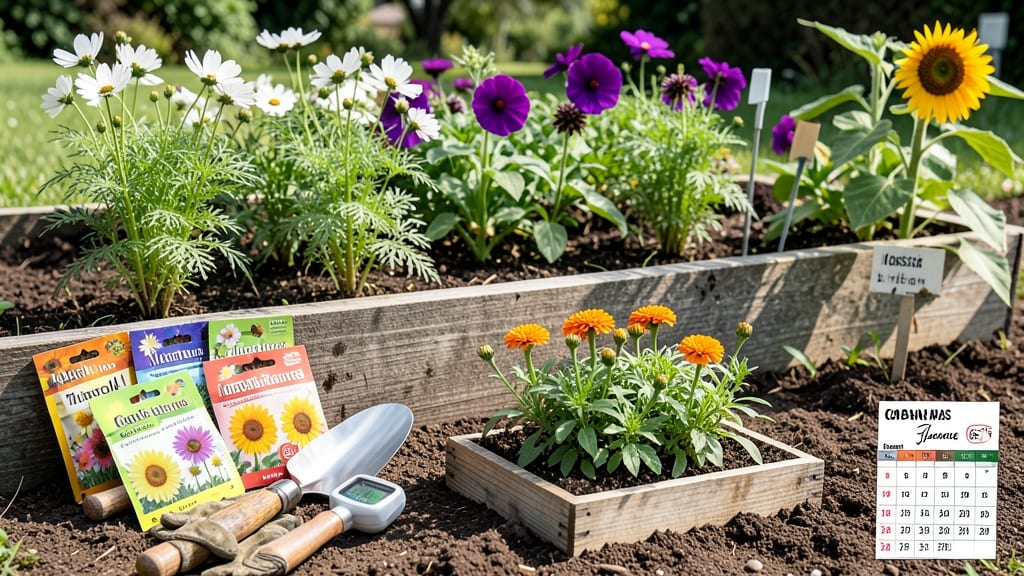
Planting flower seeds 🌸 in Kansas isn't just about timing—it's about knowing the exact weeks before last frost to ensure vibrant blooms all season long.
With Kansas' USDA zones 5b-7a, the average last frost date ranges from April 10 to April 25, giving you a narrow window to get seeds in the ground just right.
If you've ever watched your delicate seedlings wilt under unexpected frost or struggled with flowers that never quite reached their full potential, you know how crucial this timing is.
The key is understanding how your specific zone affects planting schedules, whether you're sowing annuals like marigolds or perennials that need early establishment.
I'll walk you through the precise planting windows for both spring and fall sowing, plus which flowers thrive best in Kansas' short growing season. From cool-season favorites to heat-loving varieties, you'll learn exactly when to plant for maximum blooms.
Ready to transform your garden? Let's dive into the exact weeks before last frost that will give your flower seeds the perfect start—no guesswork, just stunning results.
Kansas flower seed planting schedule by hardiness zone (exact weeks before last frost)
Kansas spans USDA Hardiness Zones 5b through 7a, meaning your last frost dates can vary by 2 weeks or more depending on where you live.
For Zone 5b (northwest Kansas), aim for 2-3 weeks before April 10, while Zone 7a (southeast Kansas) can start 2-3 weeks before April 25. These windows ensure seeds germinate in 60-70°F soil, the sweet spot for most annuals.
Perennials like coneflowers and black-eyed Susans are more forgiving—they can handle cooler soil (50-60°F) and even light frost after planting. Annuals like marigolds and zinnias, however, need consistent warmth to thrive, so timing is critical.
Use your local Almanac’s frost dates as a baseline, then adjust based on recent weather patterns.
Here’s how to calculate your exact planting window: Subtract 4-6 weeks from your average last frost date for tender annuals, or 2-3 weeks for hardier varieties.
For example, if your last frost is April 15, plant marigolds (tender) around March 1-15, but pansies (cool-season tolerant) can go in as early as February 15.
🌱 Pro Tip: Test soil temperature with a soil thermometer—most flower seeds need 55°F+ to germinate. If your soil is still cold, wait or use row covers to warm it faster.
| Zone | Last Frost Date | Plant Tender Annuals | Plant Cool-Season Flowers | Plant Perennials |
|---|---|---|---|---|
| 5b (Northwest KS) | April 10 | March 1-15 | February 15-March 1 | March 1-April 1 |
| 6a (Central KS) | April 15 | March 15-April 1 | February 20-March 10 | March 15-April 10 |
| 7a (Southeast KS) | April 25 | March 20-April 10 | March 1-March 15 | March 20-April 15 |
*Adjust dates 1-2 weeks earlier for indoor starts or later if soil is cold.
For fall planting, aim for 8-10 weeks before your first frost (typically August 1-September 15 in Kansas). Cool-season flowers like pansies and snapdragons thrive when sown in late summer, as they need 6-8 weeks to establish roots before winter sets in.
Perennials like asters and goldenrod benefit from fall sowing because it gives them a head start on spring growth.
If you’re unsure about your zone, check the USDA Plant Hardiness Zone Map or use the Kansas State University Extension tool for localized advice. Microclimates (like urban heat islands or sheltered garden spots) can shift your frost dates by 1-2 weeks, so observe your garden’s behavior for a few years to refine your schedule.
Another key factor is soil preparation. Amend your beds with compost or aged manure 4-6 weeks before planting to improve drainage and fertility. Kansas soil can be clay-heavy in places, so adding organic matter helps seeds germinate faster and reduces compaction.
A pH test (ideal range: 6.0-7.0) will tell you if you need to add lime or sulfur.
For container gardening, start seeds 4-6 weeks earlier than your zone’s outdoor schedule, since pots warm up faster. Use heat mats or place trays on south-facing windowsills to maintain 70°F+ soil temps.
Harden off seedlings by gradually exposing them to outdoor conditions for 1-2 weeks before transplanting after the last frost.
Remember, early planting isn’t always better. Seeds sown too soon in cold, wet soil risk rot or damping off. If your forecast predicts unseasonably cold temps, delay planting until soil warms or use row covers to protect young seedlings.
Best flowers to plant by month in Kansas (from early spring to late summer)
Kansas' short but intense growing season means choosing the right flowers for each month is key to a vibrant garden. Start with cool-season flowers in early spring, then transition to heat-loving varieties as temperatures rise.
I’ve broken down the best flowers to sow or transplant each month, based on Kansas' USDA zones 5b-7a and average frost dates.
For March planting, focus on hardy annuals like pansies and snapdragons, which can handle cooler soils. These flowers thrive in 40-50°F soil temperatures and will bloom early, adding color to your garden before summer heat arrives.
Perennials like coneflowers and black-eyed Susans can also be sown indoors in March for transplanting later.
🌱 Monthly Kansas Flower Planting Guide
- March: Pansies, Snapdragons, Sweet Alyssum (40-50°F soil)
- April: Marigolds, Zinnias, Cosmo (50-60°F soil)
- May: Sunflowers, Petunias, Nasturtiums (60-70°F soil)
- June: Transplant heat-lovers like Lantana or Portulaca (70°F+ air temp)
- August: Fall-blooming Asters and Goldenrod (60°F soil)
- September: Pansies, Calendula (50°F soil for cool-season blooms)
In April, when soil temperatures warm to 50-60°F, it’s time for marigolds, zinnias, and cosmos. These annuals are drought-tolerant and thrive in Kansas' hot summers, making them perfect for low-maintenance gardens.
Direct-sow seeds outdoors after the last frost, or start them indoors in late March for a head start.
May is all about heat-loving annuals like sunflowers and petunias. These flowers need well-draining soil and full sun to reach their full potential.
If you’re planting perennials like daylilies, May is ideal for transplanting them into the ground, as they’ll have plenty of time to establish roots before winter.
For late summer planting, focus on fall-blooming flowers like asters and goldenrod. These varieties tolerate cooler temperatures and will provide late-season color before the first frost. August is the perfect time to sow these seeds, giving them 6-8 weeks to grow before winter sets in.
Don’t forget about September for cool-season flowers like pansies and calendula. These flowers can handle light frosts and will bloom well into October, extending your garden’s season. Plant them in well-amended soil and protect them with a light row cover if early frosts threaten.
By following this month-by-month guide, you’ll ensure your Kansas garden stays colorful and thriving from spring to fall—no matter the weather! 🌼