
Flowers
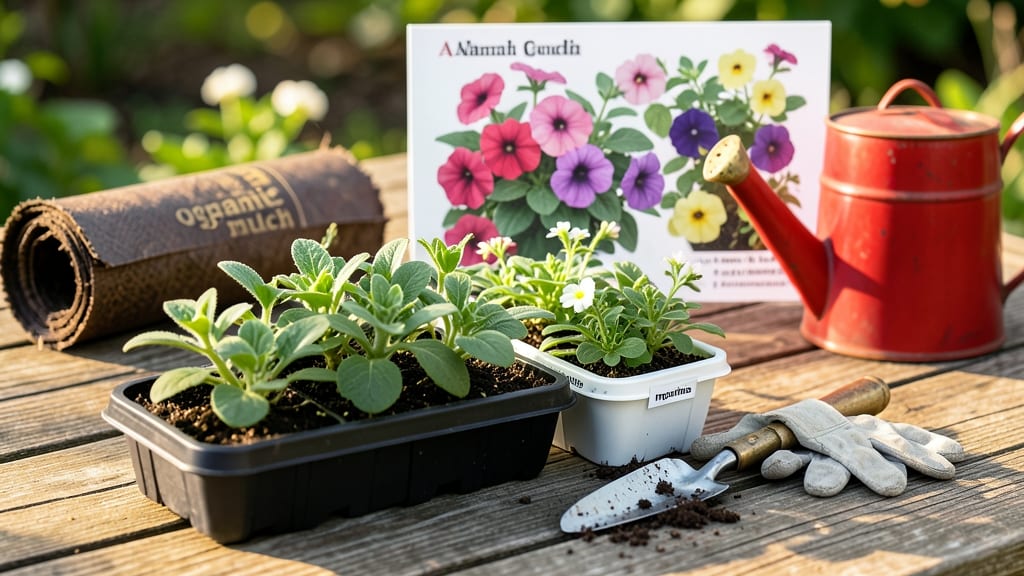
Planting flowers in Alabama at the wrong time can turn your garden dreams into a sad, wilted mess—especially when frost dates shift dramatically between North Alabama’s cooler hills and the Gulf Coast’s balmy shores.
With USDA Zones 7B and 8A offering two distinct growing seasons, timing is everything to ensure vibrant blooms from spring to fall.
If you’ve ever watched 🌸 your hard work fade because of an early frost or struggled to keep summer flowers thriving in Alabama’s heat and humidity, you’re not alone.
The key to a flourishing garden lies in understanding your local microclimate and planting at the right moment—whether you’re in Huntsville or Mobile.
In this guide, I’ll break down the exact months to plant annuals, perennials, and seasonal flowers in Alabama, so you can avoid common mistakes and enjoy a garden that bursts with color year-round. Let’s get those blooms growing on schedule!
From spring bulbs to fall mums, we’ll cover everything you need to know—including how to adjust planting times for North vs. South Alabama—to make your garden the envy of the neighborhood.
Alabama flower planting calendar by season: exact months for annuals, perennials, and bulbs
Alabama’s USDA Zones 7B and 8A create a 210-day frost-free growing season, but your exact planting window depends on whether you’re in North Alabama’s cooler hills or South Alabama’s Gulf Coast warmth.
For most gardeners, the last frost date falls around mid-March in the north and late February in the south. This means your spring planting should begin in February for southern regions and March for northern areas.
To maximize blooms, I recommend starting with cool-season flowers like pansies and snapdragons in late winter (January-February), then transitioning to heat-loving annuals like zinnias and sunflowers after the last frost. Fall planting for chrysanthemums and asters should begin in August-September to ensure they establish roots before winter.
Here’s my seasonal planting breakdown for Alabama flowers, adjusted for regional differences:
| Season | Plant Type | Best Planting Months (North AL) | Best Planting Months (South AL) | Key Tips |
|---|---|---|---|---|
| Spring | Annuals (Marigolds, Petunias) | March-April (after frost) | February-March | Use row covers for late frosts |
| Spring | Perennials (Coneflowers, Black-Eyed Susans) | March-April | February-March | Amend soil with compost for better drainage |
| Spring | Bulbs (Tulips, Daffodils) | October-November (fall planting) | October-November | Plant 6 inches deep in well-draining soil |
| Summer | Heat-Tolerant Annuals (Zinnias, Sunflowers) | April-May (after frost) | March-April | Mulch to retain moisture in summer heat |
| Fall | Chrysanthemums, Asters | August-September | July-August | Choose late-blooming varieties for winter color |
For container gardening in Alabama’s cities, you can plant warm-season flowers like impatiens and begonias as early as April in the north and March in the south. These thrive in partial shade and are perfect for patios or balconies where full sun isn’t available.
If you’re growing native Alabama flowers like black-eyed Susans or coreopsis, they’re drought-tolerant once established, so you can plant them in early spring or fall without worrying about overwatering. These perennials will reward you with years of low-maintenance blooms.
One of my biggest tips is to monitor your local frost dates—even within Alabama, Huntsville’s last frost can be 2 weeks later than Mobile’s. Use the Alabama Cooperative Extension’s frost date map to fine-tune your schedule.
For example, North Alabama gardeners should wait until after April 15 to plant heat-sensitive annuals like cosmos.
For extended bloom seasons, I recommend successive planting. Start with early spring flowers like sweet peas, then follow with summer bloomers like lantana, and finish with fall mums. This creates a continuous color show from March through November.
Don’t forget that soil temperature matters just as much as air temperature. For spring planting, wait until the soil reaches at least 60°F—you can check this with a soil thermometer or by pressing your finger into the soil.
If it feels cold and damp, your seeds won’t germinate properly.
How to adjust planting times for Alabama’s microclimates: northern vs. southern planting differences
Alabama’s diverse geography creates two distinct gardening worlds—North Alabama’s cooler USDA Zone 7B and South Alabama’s warmer Zone 8A. These differences mean your neighbor’s perfect spring blooms might fail in your garden if you plant at the same time.
Understanding these microclimate variations is key to avoiding frost damage or heat stress in your flowers.
In North Alabama (think Huntsville or Decatur), last frost typically arrives mid-March, while South Alabama (like Mobile or Dothan) can plant 2-3 weeks earlier since frost is rare.
This shift affects everything from spring bulbs to fall mums, so let’s break down the adjustments you need to make for each region.
🌱 Did You Know? South Alabama gardeners enjoy a 140-day growing season extension compared to North Alabama, allowing for longer bloom times and earlier plantings of heat-sensitive varieties.
Northern vs. Southern Alabama Planting Adjustments
| Factor | North Alabama (Zone 7B) | South Alabama (Zone 8A) |
|---|---|---|
| Last Frost Date | Mid-March | Early February |
| First Frost Date | Mid-November | Late December |
| Spring Planting Window | April 15-May 15 | March 1-March 31 |
| Fall Planting Window | September 1-October 15 | August 15-September 30 |
| Heat-Tolerant Varieties | Lantana, Zinnias | Portulaca, Vinca |
| Soil Prep Tip | Add compost in early March | Mulch to retain moisture |
For North Alabama gardeners, focus on cool-season annuals like pansies and hardy perennials such as black-eyed Susans. These thrive in the cooler spring temperatures and can handle occasional late frosts.
Meanwhile, South Alabama’s longer growing season lets you plant tropical varieties like hibiscus and canna lilies that would struggle in North Alabama’s winters.
If you live in an urban area with limited space, container gardening becomes your best friend. Use lightweight potting mix and self-watering pots to adjust for microclimates on your balcony or patio.
For example, a north-facing balcony in Birmingham might need shade-tolerant flowers like impatiens, while a south-facing porch in Mobile can handle full-sun lovers like sunflowers.
Pro tip: Monitor your local Alabama Cooperative Extension frost alerts and adjust your planting schedule accordingly. A 3-degree difference in nighttime temperatures can mean the difference between thriving blooms and wilted disappointment.
With these adjustments, you’ll be well on your way to a garden that flourishes year-round, regardless of where you live in Alabama.