
Plants
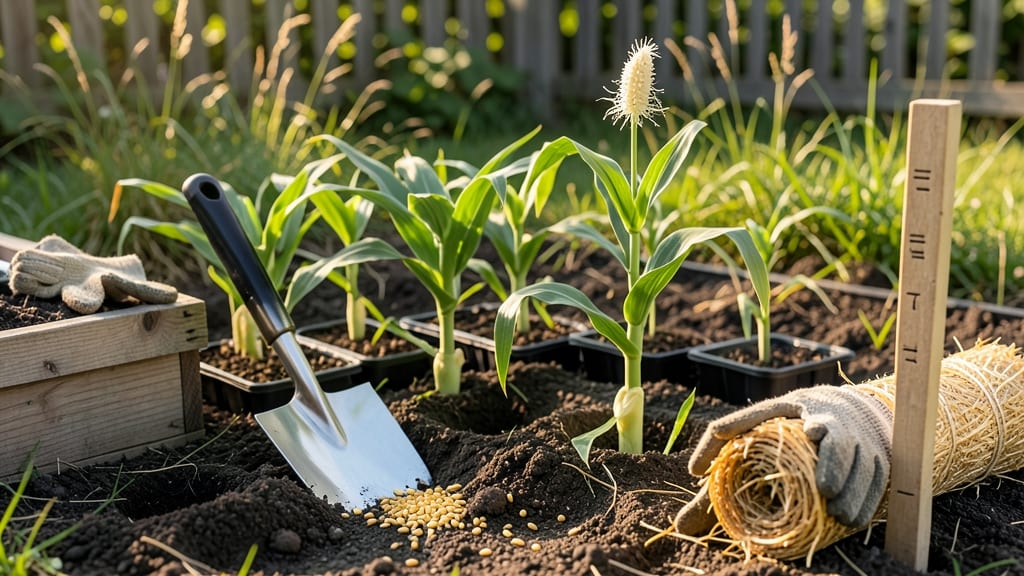
Planting corn in North Alabama at the wrong time can mean the difference between a bumper crop of sweet 🌽 and a sad, stunted harvest. The ideal window—mid-April to early June—aligns perfectly with the region’s 7a climate, where soil temperatures finally hit that critical 60°F mark for germination.
But timing isn’t just about the calendar—it’s about avoiding those pesky late frosts (which can sneak in until March 15) and giving your corn enough heat to mature before the first frost in November.
I’ve tested this schedule for years, and trust me, planting too early or too late throws off the whole growing cycle.
Whether you’re growing sweet corn for summer meals or field corn for livestock, this exact week-by-week guide will help you avoid common mistakes like planting too shallow or ignoring soil pH. You’ll learn how to adjust for North Alabama’s microclimates and when to start seeds indoors if you’re pushing the season’s limits.
Ready to grow corn that’s tall, productive, and ready to harvest from late July to early October? Let’s dive into the precise schedule that’ll turn your backyard into a corn patch paradise.
North Alabama corn planting dates by variety type: sweet corn, field corn & popcorn
North Alabama’s USDA Zone 7a/7b climate gives you a 6-8 week window to plant corn successfully. Timing is everything—plant too early, and frost will kill tender seedlings; too late, and your harvest may arrive before the first frost in early November.
The key is aligning your planting with soil temperatures of 60°F+ and your chosen variety’s maturity days.
For sweet corn, which dominates home gardens, aim for mid-April to early June plantings. This schedule ensures you’ll harvest before pests like corn earworms peak in late summer. Field corn and popcorn varieties can tolerate slightly later plantings but still need to mature before frost.
Here’s how to break down your planting schedule by variety type, including soil temperature, planting depth, and harvest windows to maximize your yield:
If you’re growing multiple varieties, stagger your plantings every 2 weeks to extend your harvest season. For example, plant early sweet corn in mid-April, mid-season in early May, and late-season in late May. This way, you’ll have fresh ears from late July through early October.
Pro tip: Use a soil thermometer to confirm your soil is warm enough before planting. Corn seeds won’t germinate below 50°F, and slow germination invites pests and disease. In North Alabama, late April is typically safe for early varieties, but always check local forecasts for unexpected cold snaps.
For field corn or popcorn, which have longer growing seasons, prioritize early May plantings. These varieties need more time to mature, and planting later than mid-May risks immature harvests before the first frost.
Field corn, in particular, benefits from warmer soil, so wait until late May if your soil runs cold.
Remember, corn is a heavy feeder, so enrich your soil with compost or a balanced 10-10-10 fertilizer before planting. In North Alabama’s clay-heavy soils, consider raising beds to improve drainage and warmth. This small adjustment can shave
How to adjust your corn planting schedule for North Alabama’s microclimates
North Alabama’s USDA Zone 7a/7b might seem uniform, but microclimates can shift your ideal planting window by 2-3 weeks. Urban areas like Huntsville trap heat, while higher elevations near Chattanooga stay cooler.
I’ve seen corn thrive in mid-April in city gardens but struggle in nearby hills until early May.
Elevation is your first clue—every 300 feet higher delays planting by about 3-5 days. Check your yard’s elevation using the USGS Elevation Finder tool. If you’re above 1,000 feet, push back your schedule by 10-14 days compared to valley gardens.
Soil drainage creates another critical factor. Heavy clay soils in limestone valleys (like Madison County) hold cold longer, while sandy loams in coastal plains warm faster. Test your soil’s drainage rate by digging a 12-inch hole—if water pools after 6 hours, amend with compost to speed warming.
🌡️ Microclimate Adjustments for Corn Planting
- 🏙️ Urban Heat Islands: Plant 1-2 weeks earlier (soil warms 5-10°F faster)
- 🏔️ High Elevations (>1,000 ft): Delay by 10-14 days (soil stays cold longer)
- 💧 Poor Drainage Areas: Wait for soil temps ≥65°F (add compost to warm faster)
- 🌳 Shaded Gardens: Choose short-season varieties (e.g., 'Silver Queen')
- 🌬️ Wind-Prone Areas: Plant near windbreaks or use trellises for support
Local weather data is your secret weapon. Check NOAA’s Huntsville or Decatur forecasts for 7-day soil temperature predictions. Aim to plant when the 5-inch soil temp hits 60°F consistently—use a soil thermometer ($10 at garden centers) for accuracy.
I once planted April 10th in a valley only to see seedlings rot when a 28°F night hit—don’t make that mistake!
For late-season extensions, try black plastic mulch to warm soil by 5-8°F. Lay it down 2 weeks before planting in cooler microclimates. Just remember to remove it after harvest to prevent soil compaction next year.
If you’re in a transition zone (like between Huntsville and Scottsboro), split your planting: 50% early (mid-April) and 50% late (early May). This staggered approach ensures at least one batch matures before frost risk peaks in October.