
Flowers
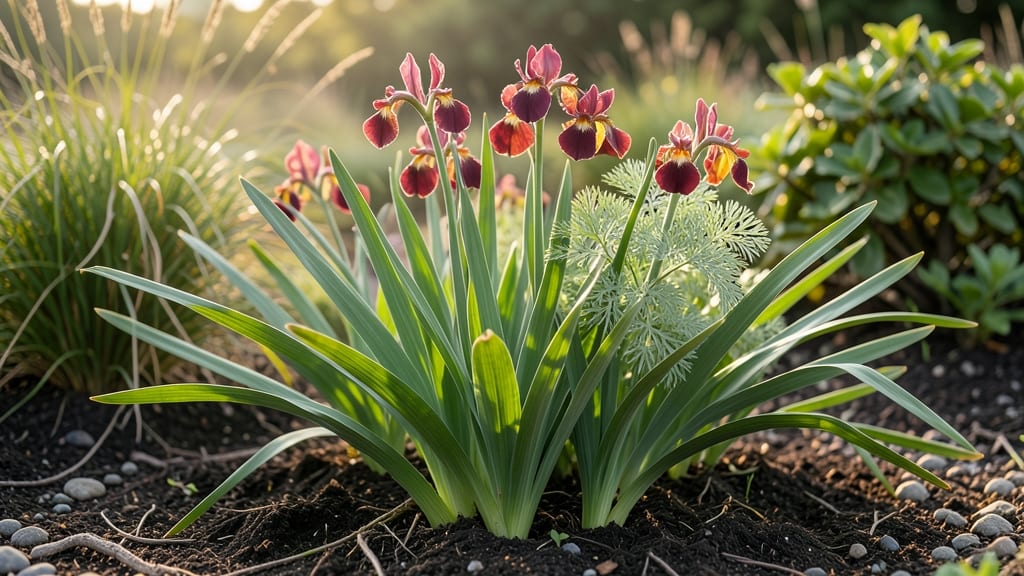
Planting flowers in Seattle at the wrong time can mean the difference between a garden bursting with 🌸 vibrant blooms and one struggling through damp, unpredictable weather.
With last frost dates creeping into mid-April and first frosts arriving by November, timing your plantings isn’t just about following a calendar—it’s about reading Seattle’s microclimates.
If you’ve ever watched your delicate petunias wilt after a surprise late frost or seen your daffodils bloom too early only to get smothered by rain, you know how critical seasonal precision is.
The good news? Seattle’s USDA Zone 8a climate actually gives gardeners two prime windows—spring and fall—to get flowers established before winter’s chill sets in.
In this guide, I’ll break down exactly when to plant annuals and perennials in Seattle’s distinct neighborhoods, from the U-District’s milder pockets to Ballard’s coastal breezes.
You’ll learn how to adjust for false springs, extend your blooming season, and choose the right varieties that thrive in our 180 frost-free days.
Whether you’re a first-time gardener or a seasoned green thumb, these microclimate-specific tips will help you avoid common mistakes and create a garden that’s as resilient as it is beautiful. Let’s get those bulbs in the ground at the perfect moment!
Seattle’s frost-free planting dates by microclimate zone
Seattle’s USDA Zone 8a climate means we enjoy 180 frost-free days—but microclimates within the city can shift planting windows by 2-3 weeks.
Urban heat islands in areas like Ballard or South End may experience earlier last frosts, while cooler pockets like Green Lake or Queen Anne lag behind. Knowing your zone saves your tender annuals from late-spring frosts.
For Seattle’s average last frost, aim for mid-March (March 15), but urban areas often see frost-free soil by early March. The first frost typically arrives mid-November (November 15), though elevated areas like Capitol Hill can get frost 1-2 weeks earlier.
These dates are your planting guardrails—but always check weekly forecasts in April-May.
Here’s how Seattle’s microclimates break down for spring planting:
| Microclimate | Last Frost (Avg.) | First Frost (Avg.) | Spring Planting Window | Fall Planting Window |
|---|---|---|---|---|
| Ballard / Fremont | March 5 | November 10 | March 15–April 15 | August 1–September 1 |
| U-District / Green Lake | March 10 | November 15 | March 20–April 20 | August 15–September 10 |
| South End / Beacon Hill | March 15 | November 20 | April 1–April 30 | September 1–September 20 |
| Queen Anne / Capitol Hill | March 20 | November 5 | April 10–May 10 | August 20–August 31 |
If you’re planting heat-loving annuals like geraniums or marigolds, wait until soil temps hit 50°F—use a soil thermometer for accuracy. Cooler microclimates (like Magnolia) may need row covers for late-May plantings to protect against unexpected chills.
For fall planting, August-September is ideal, but avoid planting after September 15 in cooler zones (e.g., Green Lake) to prevent root damage from early frosts. Perennials like rhododendrons or heucheras can handle fall planting until October 1, but tender annuals must go in by August 15.
Pro tip: Urban gardeners in concrete-heavy areas (e.g., Downtown) can plant 1-2 weeks earlier because heat retention warms soil faster. Test with basil or lettuce—if they thrive by March 1, your microclimate is likely warmer than average.
Seattle’s rainy season (October–April) means soil stays moist—but overwatering can delay planting. Amend clay-heavy soils with compost in February to improve drainage before spring planting. Well-draining soil is critical for bulbs like daffodils, which should be planted by October 15 for
Best flowers to plant in Seattle by season (with exact timing)
Seattle’s cool, wet springs and mild summers demand flowers that thrive in partial shade but also handle occasional sun. I’ve curated a list of top-performing annuals and perennials with their ideal planting windows to ensure year-round color.
Start with spring bulbs like daffodils—plant them in October-November—and transition to heat-tolerant summer bloomers like zinnias by May.
For fall and winter interest, focus on evergreen perennials like heuchera or hardy annuals such as pansies, which you can sow directly in August-September.
These choices ensure your garden stays vibrant even when temperatures drop. The key is matching each flower’s chill requirements with Seattle’s USDA Zone 8a climate.
🌸 Spring Planting (March–May) 🌿 Summer Planting (June–July) 🍂 Fall Planting (August–September)
| Season | Flower Type | Planting Window | Notes |
|---|---|---|---|
| Spring | Daffodils | October–November (bulbs) | Bloom March–April; drought-tolerant once established. |
| Spring | Pansies | March–April (seeds/transplants) | Thrives in cool weather; shade-tolerant. |
| Summer | Zinnias | May–June (after last frost) | Needs full sun; continuous blooms if deadheaded. |
| Summer | Lavender | April–May (transplants) | Drought-resistant; attracts pollinators. |
| Fall | Heuchera | March–April or August–September | Evergreen foliage; low-maintenance. |
| Fall | Sweet Alyssum | August–September (seeds) | Blooms until first frost; self-seeds easily. |
My top pick for beginners is pansies—they’re resilient, bloom in cool weather, and come in vibrant colors. For summer heat lovers, zinnias and lavender are unbeatable. If you’re planning for year-round interest, pair spring bulbs with fall perennials like heuchera to create a seamless transition.
Always check the back of seed packets for specific chill requirements, as some varieties need 6+ weeks below 40°F to bloom reliably.
Pro tip: Pre-soak seeds for 24 hours before planting to improve germination rates in Seattle’s acidic, clay-heavy soil. Amend beds with compost to boost drainage and fertility.
For container gardening, choose compact varieties like petunias or geraniums, which thrive in pots and can be moved to sunniest spots as seasons change.
Remember, Seattle’s microclimates can shift planting windows by 2–4 weeks. If you’re in a warmer urban pocket (like the South End), you might plant summer annuals a week earlier. Conversely, cooler areas (like the U-District) may need to wait until mid-May for heat-loving flowers.
Always monitor your local frost forecasts—a late frost in May can wipe out tender seedlings overnight.