
Flowers
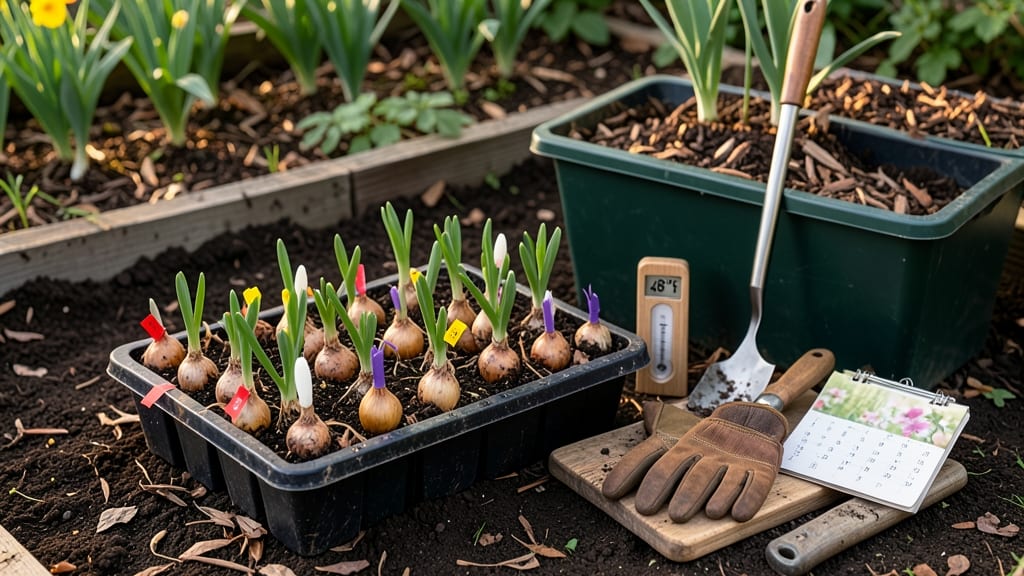
Planting your spring flowers at the wrong time can turn your dream garden into a sad, frost-killed mess—so getting the timing right is everything. The key isn't just waiting for warm weather; it's knowing your last frost date and how different flowers handle cold snaps.
Whether you're a beginner or a seasoned gardener, this guide will help you avoid common mistakes and maximize your blooms.
Most gardeners in USDA Zone 6a (like me!) can start planting after the last frost date, usually around mid-April—but that's just the starting point. Some flowers, like tulips 🌸, thrive when planted early, while others, like marigolds, need warmer soil to take root.
I'll break down exactly when to plant each type so you can skip the guesswork and enjoy a garden bursting with color.
Ready to transform your outdoor space? You'll learn how to adjust for early or late springs, use soil temperature as your guide, and even push your planting window with simple tricks. No more wilting disappointment—just vibrant, healthy flowers that keep blooming all season. Let's get started!
From preparing your soil to transplanting seedlings, I'll walk you through every step to ensure your flowers get the best possible start. Whether you're planting annuals for summer color or perennials that return year after year, this is your roadmap to a show-stopping spring garden.
Let's make this your best planting season yet!
How to determine your last frost date for spring flower planting
Getting your spring flower planting right starts with knowing your last frost date. This critical date separates the difference between thriving blooms and frost-nipped disappointment. Without accurate timing, even the hardiest flowers can suffer damage.
Let’s break down how to find your local last frost date so you can plant with confidence.
Your last frost date is the average final frost of spring in your area. It’s not a single date—it varies by USDA hardiness zone and even microclimates within your region. For example, a valley might frost later than a hilltop just a few miles away.
To find yours, start with the USDA Plant Hardiness Zone Map as a baseline, then refine it with local weather data.
For precise timing, check the National Oceanic and Atmospheric Administration (NOAA) website or your local cooperative extension service. These resources provide historical frost data for your specific ZIP code. I always cross-reference at least three years of records to account for early or late springs.
For instance, if your zone’s average last frost is April 15 but you’ve had late frosts in May, err on the side of caution.
| Factor | Details | Action Step |
|---|---|---|
| USDA Zone | Determines baseline frost dates | Find your zone here |
| Local Microclimate | Valleys, slopes, and urban areas vary | Observe nearby gardens or ask local gardeners |
| Historical Data | NOAA or local weather records | Check last 5 years for patterns |
| Soil Temperature | Ideal for planting: 50°F+ | Use a soil thermometer 2 weeks before planting |
| Plant Hardiness | Cool vs. warm-season flowers | Plant cool-season flowers 4-6 weeks before last frost |
Once you’ve pinpointed your last frost date, adjust your planting schedule based on the type of flowers you’re growing. Cool-season flowers like pansies and snapdragons can handle light frosts and should go in the ground 4-6 weeks before your last frost date.
Meanwhile, warm-season flowers like marigolds and petunias need to wait until after the last frost to avoid damage.
Don’t forget about soil temperature—it’s just as important as air temperature. Most flowers thrive when soil is at least 50°F. Use a soil thermometer to check a few inches below the surface.
If it’s still chilly, consider using black plastic mulch or a cold frame to warm the soil faster. I’ve planted impatiens in early May only to see them wilt because the soil was still too cold, even though the air felt warm.
For gardeners in Zone 5 or colder, where frosts can linger into May, I recommend starting tender annuals indoors 6-8 weeks before your last frost date. This gives seedlings a head start and reduces the risk of transplant shock when moving them outside.
Hardy perennials like coneflowers and black-eyed Susans can often be planted in early spring, even before the last frost, as long as the ground isn’t frozen.
If you’re unsure about your local frost patterns, take notes this year. Mark the dates of early springs and late frosts in a garden journal. Over time, you’ll build a custom frost calendar tailored to your specific location.
This is especially helpful for container gardening, where microclimates can be even more pronounced than in-ground beds.
Pro tip: Sign up for local frost alerts from your weather service. These notifications can give you a few days’ warning to cover tender plants if an unexpected frost is forecasted. I once lost a batch of geraniums because I didn’t get the alert—now I never skip this step!
Remember, the last frost date isn’t a hard deadline—it’s a guideline. Factors like plant hardiness, soil conditions, and even moon phases (for some gardeners) can influence your timing. The key is to stay flexible and ready to protect your plants if Mother Nature has other plans.
Best spring planting timeline for popular flowers by hardiness
Not all flowers play well together when it comes to frost. Cool-season flowers like pansies and snapdragons can handle light frosts, while warm-season favorites like impatiens and marigolds need soil that's at least 55°F to thrive.
I’ve broken down the ideal planting windows for popular flowers based on their hardiness zones and frost tolerance, so you can plant with confidence.
For USDA Zone 6a (where I garden), most flowers should go in the ground 2-4 weeks after your last frost date. But bulbs like tulips and daffodils? They need to be planted in fall for spring blooms.
Let’s dive into the specifics so you can avoid common timing mistakes and enjoy a garden that blooms all season.
🌱 Quick Tip: Use a soil thermometer to check if your soil is warm enough for warm-season flowers—it’s the best way to avoid stunted growth.
| Flower Type | Best Planting Time (Zone 6a) | Frost Tolerance | Soil Temp Requirement |
|---|---|---|---|
| Annuals (Marigolds, Petunias, Impatiens) | 2-4 weeks after last frost | None (warm-season) | 55°F+ |
| Perennials (Coneflowers, Lavender, Black-Eyed Susans) | Early spring (March-April) | Moderate (survive light frost) | 45°F+ |
| Bulbs (Tulips, Daffodils, Hyacinths) | Fall (6-8 weeks before first frost) | High (dormant in winter) | 50°F+ |
| Cool-Season Annuals (Pansies, Snapdragons, Sweet Alyssum) | Early spring or fall | High (thrive in cool weather) | 40°F+ |
| Herbaceous Perennials (Peonies, Daylilies) | Early spring (March-April) | Moderate (survive light frost) | 50°F+ |
If you’re in a warmer zone (7+), you can plant warm-season flowers like geraniums and zinnias as early as February, while cooler zones (5 or below) may need to wait until late May.
Always check your local almanac or USDA zone map for adjustments—my garden in Zone 6a thrives with these timelines, but yours might vary!
Pro move: Start cool-season flowers indoors 6-8 weeks before your last frost date. This gives them a head start and ensures they’re ready to bloom as soon as the weather warms up. For warm-season flowers, harden off seedlings gradually to avoid shock when transplanting.
Remember, soil temperature matters more than air temperature. A sunny day might feel warm, but if your soil is still chilly, your flowers will struggle. Use a soil thermometer to double-check before planting—it’s a game-changer for success. Happy planting!