
Trees
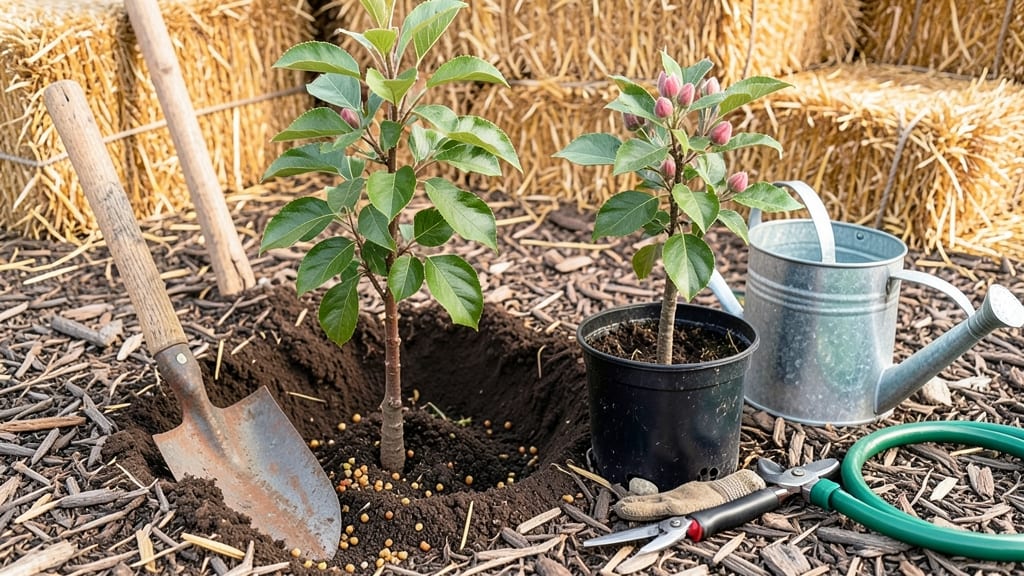
Planting fruit trees in Kentucky at the wrong time can mean wasted effort—or even lost harvests. But timing isn't just about seasons; it's about matching your tree's chill-hour needs to Kentucky's unpredictable climate, where USDA zones 6-7 bring both early springs and late frosts.
If you've ever watched a neighbor's fruit tree burst with fruit while yours struggles, you're not alone. The difference often comes down to planting at the perfect moment—whether that's early spring for bare-root saplings or late spring for container-grown varieties.
I'll show you exactly when to plant for perfect results, no matter if you're growing apples, peaches, or figs.
Kentucky's microclimates add another layer of complexity, from urban heat islands to rural valleys. We'll break down how to adjust your timing based on soil conditions, frost risks, and even your tree's specific chill-hour requirements. Think of it as a game-changer for your orchard's future.
Ready to transform your backyard into a productive fruit haven? Let's dive into the science and practical steps that will set you up for years of harvests—starting with the right planting window for your Kentucky climate.
Kentucky’s best planting months for fruit trees by chill-hour requirements
Kentucky’s USDA zones 6-7 mean your fruit tree’s chill-hour needs determine the perfect planting window. Most Kentucky-grown varieties need 300-1,000 chill hours, but timing varies by bare-root vs. container-grown trees. For bare-root trees, plant in late winter to early spring (February-March) while dormant but before buds swell.
Container-grown trees, however, offer flexibility year-round, but spring (March-May) remains ideal. This gives roots time to establish before summer heat. Fall planting (September-October) works for container trees too, but avoid planting when soil temps drop below 40°F—root growth halts, risking winter stress.
Here’s the key: High-chill varieties (600+ hrs) like apples and pears thrive when planted in late winter, while low-chill types (300-500 hrs) such as peaches and figs adapt to spring or fall. Kentucky’s last frost dates (mid-April in most areas) signal it’s safe to plant container trees.
🌱
| Tree Type | Chill Hours | Best Planting Window | Soil Temp Requirement | Kentucky Notes |
|---|---|---|---|---|
| Bare-Root Apple/Pear | 600-1000 hrs | Late Feb–Early Mar | Above 40°F | Plant before buds break; mulch heavily. |
| Container Peach/Nectarine | 300-500 hrs | Mar–May or Sep–Oct | 50°F+ | Avoid late fall; roots may not harden. |
| Bare-Root Fig | 100-300 hrs | Feb–Mar or Sep | 45°F+ | Cold-hardy varieties like 'Celeste' work in KY. |
| Container Plum | 400-600 hrs | Mar–Apr or Sep | 50°F+ | Prune in winter; watch for brown rot. |
For bare-root trees, Kentucky’s late winter dormancy is your ally. Plant when soil is workable but not frozen, typically February to early March.
Dig a hole twice as wide as the root ball, loosen roots gently, and place the tree so the graft union sits 2-3 inches above soil level. Backfill with native soil, water deeply, and mulch with 3-4 inches of wood chips.
Container-grown trees, however, can go in spring or fall. If planting in fall (September-October), choose dwarf or semi-dwarf varieties like 'Liberty' apple or 'Reliance' peach—they establish faster. Water 1-2 times weekly after planting to encourage root spread before winter.
Kentucky’s microclimates add complexity. In urban areas (Louisville, Lexington), heat islands delay frost, while rural zones (Appalachian foothills) may see earlier freezes. Use local frost data (check Kentucky Mesonet) to adjust timing. For example, Northern KY (Zone 6) should delay planting 1-2 weeks vs. Western KY (Zone 7).
🌿
Pro tip: Test your soil’s pH (ideal: 6.0-7.0) before planting. Kentucky’s clay-heavy soils often need organic matter—mix in compost or aged manure to improve drainage. For high-chill varieties, amend soil with mycorrhizal fungi to boost root health in Kentucky’s humid summers.
Finally, avoid planting during Kentucky’s unpredictable late frosts (April is risky!). Use frost cloth for young trees if late-season cold snaps threaten. Monitor National Weather Service alerts for your county—timing can mean the difference between a thriving orchard and a failed harvest.
Kentucky’s best planting months for fruit trees by chill-hour requirements
Kentucky’s USDA zones 6-7 create unique challenges for fruit tree planting, where chill-hour needs determine success. High-chill varieties like apples and pears (600+ hours) thrive when planted in early spring (March-April), while low-chill options like peaches and figs (300-500 hours) can wait until late spring (April-May).
Bare-root trees—common in nurseries—should go into the ground as soon as the soil is workable (40°F+). Container-grown trees, however, adapt better to warmer soil (50°F+) and can be planted 2-3 weeks later than bare-root varieties. This timing shift prevents root shock in sensitive varieties.
🌱
| Variety Type | Chill-Hour Needs | Best Planting Window | Soil Temp Requirement | Kentucky Notes |
|---|---|---|---|---|
| High-Chill (600+ hrs) | Apples, Pears, Cherries | March-April (bare-root) | 40-45°F | Plant before buds swell; avoid late frosts. |
| Medium-Chill (400-600 hrs) | Plums, Some Peaches | Late March-April (bare-root) | 45-50°F | Urban areas may need slightly later planting. |
| Low-Chill (300-400 hrs) | Figs, Low-Chill Peaches | April-May (container) | 50°F+ | Wait until soil warms; ideal for Zone 7. |
For container-grown trees, Kentucky’s last average frost dates (varies by region) act as your guide. Northern KY (e.g., Lexington) typically waits until mid-April, while southern KY (e.g., Bowling Green) can plant as early as late March. Always check your local Cooperative Extension for precise dates.
Pro tip: If you’re planting dwarf varieties, prioritize early spring planting—their smaller root systems benefit from cooler soil temperatures. For standard-sized trees, container-grown options in late spring reduce transplant shock risks.
🌿
Remember, Kentucky’s microclimates can shift planting windows by 2-3 weeks. A north-facing yard stays colder longer, while a south-facing slope warms faster. Use a soil thermometer to confirm readiness—50°F+ is ideal for most varieties. This simple tool prevents costly mistakes.