
Planting
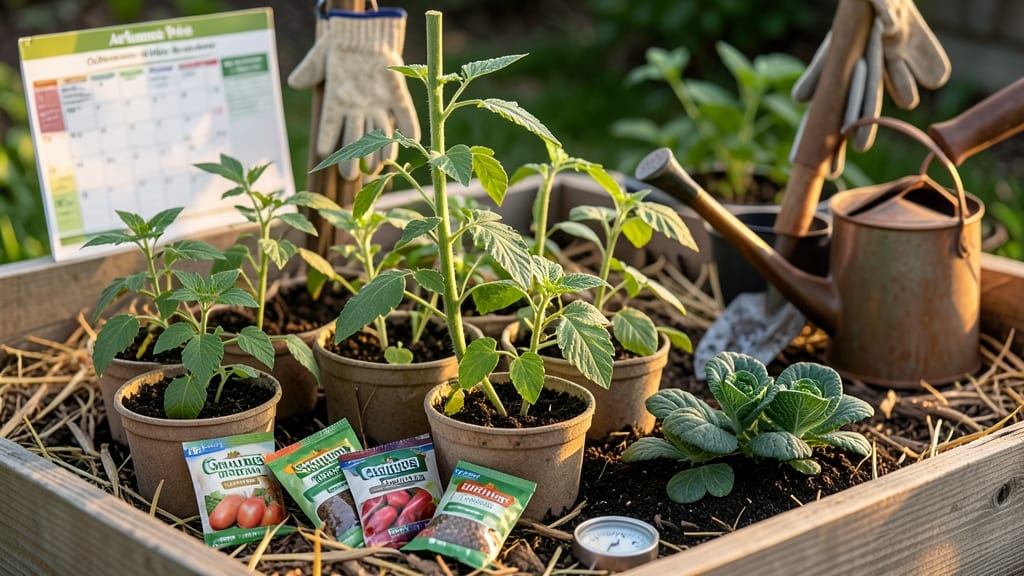
Planting your Arkansas garden at the wrong time can mean the difference between a bountiful harvest and wasted effort—especially when frost dates shift from the Ozarks to the Delta.
The key to success lies in knowing exactly when to plant in USDA Zones 6a to 8a, where last frosts arrive anywhere from mid-March to mid-April and first frosts creep in as early as October.
As someone who’s learned the hard way about rushing seedlings too soon (or waiting too long), I’ll show you how to align your planting with Arkansas’s unique climate.
Whether you’re sowing cool-season crops like lettuce or warm-season favorites like tomatoes, timing is everything—and missing the window by even a week can cost you weeks of growth.
What you’ll discover here are the precise deadlines for spring and fall planting, tailored to your specific region.
We’ll break down how microclimates in the Ozarks differ from the Arkansas River Valley, so you can avoid common mistakes like planting too early and risking frost damage—or too late and missing the summer growing season entirely.
Ready to turn your Arkansas garden into a thriving, year-round success? Let’s dive into the exact planting schedule that’ll keep your 🌱 growing strong from seed to harvest, no matter where you are in the state.
Arkansas planting deadlines by season: frost-free dates for vegetables, flowers, and herbs
Arkansas’s USDA Zones 7a/7b create a unique growing window where spring and fall reign supreme. The last frost date typically falls between March 15 (Delta regions) and April 15 (Ozark Mountains), while the first frost arrives October 15–November 15.
These dates mark the boundaries for your planting calendar—miss them, and your garden’s potential wilts before it even sprouts.
Cool-season crops like lettuce, spinach, and broccoli thrive when planted 4–6 weeks before the last frost, often as early as February in the Delta or March in the Ozarks.
Warm-season favorites such as tomatoes, peppers, and squash demand soil temperatures above 60°F and should wait until mid-April to May for optimal success.
Here’s the critical timeline you need to know: March–April for spring plantings and August–September for fall crops. Skipping this window risks stunted growth or total crop failure due to Arkansas’s humid subtropical climate and unpredictable weather shifts.
🌱 Arkansas Planting Deadlines by Season
| Season | Planting Window | Key Crops | Soil Temp | Notes |
|---|---|---|---|---|
| Early Spring | Feb–March | Peas, Spinach, Lettuce | 40–50°F | Use row covers for frost protection |
| Late Spring | April–May | Tomatoes, Peppers, Corn | 60–70°F | Wait 2 weeks after last frost |
| Summer | June–July | Okra, Sweet Potatoes | 70–80°F | Drought-tolerant varieties preferred |
| Fall | August–September | Kale, Carrots, Radishes | 50–60°F | Plant 8–10 weeks before first frost |
For flowers and herbs, timing varies slightly. Marigolds and basil can handle Arkansas’s heat and should be planted after the last frost in April–May, while pansies and snapdragons prefer cooler weather and thrive in fall plantings (August–September).
Herbs like cilantro bolt in summer heat, so plant them in early spring or late fall for the best flavor.
Arkansas’s humidity and summer heat demand extra attention. Succession planting—sowing small batches every 2–3 weeks—keeps your harvests steady. For example, plant bush beans in April, May, and June to avoid missing the window before summer’s intensity peaks.
Pro tip: Monitor local weather forecasts for false springs—those warm spells in February or March that trick you into planting too early. A sudden late frost in April can devastate tender seedlings overnight. When in doubt, wait until mid-April for warm-season crops to ensure safety.
Fall planting offers a second chance for gardeners. Broccoli, cabbage, and Brussels sprouts planted in August mature just in time for October harvests before frost sets in. This extended growing season is Arkansas’s secret weapon—don’t waste it!
Finally, soil preparation is just as critical as timing. Test your soil’s pH (6.0–7.0 ideal) and amend with compost at least 4–6 weeks before planting. Arkansas’s clay-heavy soils in the Delta or sandy loams in the Ozarks both benefit from organic matter to retain moisture and nutrients.
How to adjust planting times for Arkansas’s microclimates: Ozarks vs. Delta variations
Arkansas’s diverse geography means your planting schedule should change based on whether you’re in the cool Ozark Mountains or the warmer Arkansas River Valley. The Ozarks (USDA Zone 6b–7a) often see frost until mid-April, while the Delta (Zone 7b–8a) may warm up by mid-March.
Even within 50 miles, these differences can shift your last frost date by 2–3 weeks—critical for heat-loving crops like tomatoes or peppers.
For example, Fayetteville’s average last frost is April 15, but Little Rock’s is closer to March 25. If you plant cucumbers too early in the Ozarks, a late frost will kill seedlings.
Meanwhile, Delta gardeners risk bolting lettuce if they wait until April to sow cool-season crops. Always check local weather stations (like the National Weather Service) for your exact area’s frost data.
Here’s how to fine-tune your schedule by region:
| Region | Last Frost Date | First Frost Date | Best Time to Plant Warm Crops | Best Time to Plant Cool Crops |
|---|---|---|---|---|
| Ozarks (e.g., Fayetteville, Eureka Springs) | April 15 | October 15 | May 1–May 15 (after soil hits 65°F) | March 1–March 30 (with row covers) |
| Central Arkansas (e.g., Little Rock, Hot Springs) | March 25 | November 1 | April 15–April 30 (soil at 60°F) | February 15–March 15 |
| Delta (e.g., Jonesboro, El Dorado) | March 15 | November 15 | April 1–April 15 (soil at 65°F) | January 30–February 15 |
*Adjust dates 1–2 weeks earlier for low-lying areas or later for high elevations.
Microclimates also affect soil warmth. In the Ozarks, black plastic mulch can accelerate soil heating by 2–3 weeks, while Delta gardeners may need shade cloth to protect seedlings from early summer heat.
Test your soil temperature with a soil thermometer—most warm-season crops (like squash or beans) need 60–65°F before planting.
Pro tip: Use succession planting in the Delta to stretch harvests. For example, sow bush beans every 2 weeks from April to June to avoid missing the July–August harvest window before heat stress sets in.
In the Ozarks, focus on fall crops like kale or carrots, which thrive in cooler temps and can be planted as early as July 15 for a September–October harvest.
Don’t let Arkansas’s humid subtropical climate fool you—false springs (warm spells in winter) can trick you into planting too early. Wait until nighttime temps stay above 50°F for at least 5–7 days before committing to tender seedlings.
For extra safety, use frost cloth or a mini greenhouse to give your plants a 2–3 week head start.
🌱