
Planting
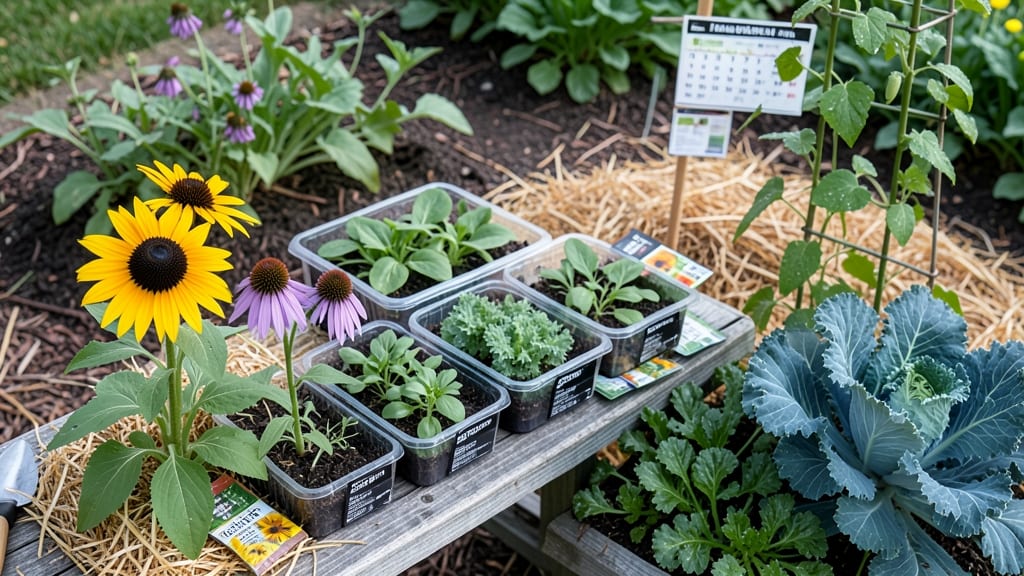
Planting your Minnesota garden at the right time isn't just about following a calendar—it's about beating frost with confidence. The last frost date can shift dramatically between northern and southern parts of the state, leaving many gardeners guessing whether their seedlings are safe or at risk.
But with the right timing, you can grow everything from hardy kale to tender tomatoes without the stress of surprise freezes.
I've spent years watching Minnesota's unpredictable spring weather, and the key is knowing when the soil is warm enough and the air stays reliably above freezing.
Whether you're in the Twin Cities or up near the Canadian border, this guide will help you match your planting schedule to your local climate zone. We'll cover everything from cool-season crops that thrive in early spring to heat-loving vegetables that need to wait until summer.
You'll discover how to use row covers, cold frames, and other tricks to extend your growing season—because in Minnesota, every extra week matters. I'll also show you how to tell when it's finally safe to plant, so you can avoid the heartbreak of losing your garden to a late frost.
Let's get your 🌱 garden off to the best possible start.
What you'll learn goes beyond just dates—it's about understanding the signs that tell you when the ground is ready, how to adjust for your specific location, and which plants can handle Minnesota's famously changeable weather.
By the end, you'll have a planting plan that works for your corner of the state, no matter how early or late the season arrives.
Minnesota’s frost dates by Zone: when to start planting cool vs warm season crops
Minnesota’s USDA Zones 3-5 create dramatic differences in planting windows—just 100 miles north can mean 2-3 weeks earlier frost. Southern Minnesota (Zone 4b) often sees last frosts by May 15, while northern areas (Zone 3b) may wait until June 1.
These dates separate cool-season crops (like peas and spinach) from warm-season plants (tomatoes, peppers) that need soil at 50°F+.
For cool-season crops, start seeds indoors 4-6 weeks before your last frost date. In Zone 3, that means mid-March for hardy greens, while Zone 5 gardeners can begin late March.
Warm-season crops require soil warmth, so wait until 2 weeks after your last frost or use black plastic mulch to warm soil faster.
Here’s how to use Minnesota’s frost-free timeline to plan your garden:
| Zone | Last Frost (Avg.) | Cool-Season Start (Indoors) | Warm-Season Start (Outdoors) | Frost-Proofing Tip |
|---|---|---|---|---|
| Zone 3 (North) | June 1 | Mid-March | June 10 | Use row covers for late starts |
| Zone 4 (Central) | May 15 | Late March | May 20 | Plant warm crops in black pots |
| Zone 5 (South) | May 1 | Early March | April 25 | Extend season with cold frames |
Your first frost date (typically September 15-30) signals when to harvest or protect tender plants. In Zone 3, peppers and tomatoes may need row covers until October, while Zone 5 gardeners can leave them until mid-October. Always check Almanac frost predictions—they’re more accurate than calendar dates.
For perennials and flowers, timing matters too. Plant hardy perennials (like coneflowers) in early spring or early fall for best root establishment. Bulbs like tulips go in October, while annuals like marigolds can wait until after last frost.
Minnesota’s short growing season (about 120 frost-free days in Zone 3) demands smart planning. Focus on fast-maturing varieties and succession planting to maximize yields. For example, plant radishes in April and again in July for a double harvest.
Pro tip: Use soil thermometers—warm-season crops need soil at 50°F+, not just air temps. In cool zones, straw mulch can add 5-10°F to soil warmth, letting you plant 2 weeks earlier.
Even with perfect timing, late frosts happen. Keep frost cloth handy for tomatoes, peppers, and basil, which are especially vulnerable. In my Zone 4 garden, I’ve lost entire tomato plants in late May—always have a backup plan!
Remember: Minnesota’s microclimates vary wildly. A south-facing slope may warm 2 weeks faster than a north-facing yard. Observe your own space for 3 years to refine your planting schedule.
How to adjust your planting calendar for Minnesota’s unpredictable weather (expert tips)
Minnesota’s weather can throw a wrench into even the most carefully planned garden schedule. One day it’s 70°F and sunny, the next it’s a 20°F freeze—leaving tender seedlings as crispy snacks for Mother Nature.
The key is flexibility and preparation. Start by monitoring your local frost-free dates from trusted sources like the MN State Climatology Office, but always have backup plans.
Use row covers or cold frames to extend your planting window by 2-4 weeks. These simple tools create a microclimate that traps heat and shields plants from late frosts.
For example, I’ve successfully grown spinach and kale in early April by covering them with lightweight fabric—just remove it when temps rise above 50°F to avoid overheating.
Another game-changer is container gardening. Move potted plants like tomatoes and peppers indoors overnight if frost is forecasted. Place them near a sunny window or under grow lights.
This tactic saved my bell pepper plants last June when temperatures plunged unexpectedly. Even a garage or basement with natural light works in a pinch.
🌱 Pro Tip: Keep a planting journal to track what works in your specific microclimate. Note which varieties thrive despite frost, which struggle, and when you adjust your schedule. Over time, you’ll spot patterns—like how my zucchini always bolts if planted after May 15th—and refine your approach.
For late starts, focus on fast-maturing varieties like bush beans (50 days to harvest) or radishes (25 days). These give you a quick reward while you wait for warmer weather.
Pair them with perennials like asparagus or rhubarb, which tolerate Minnesota’s chill and reward patience with years of harvests.
Finally, stay ahead of the game by signing up for local weather alerts. Apps like Weather Underground or your NOAA radio can give you 24-48 hours of warning for frost.
Use that time to cover plants, move containers, or even harvest what you can. With these strategies, you’ll turn Minnesota’s unpredictable weather into an advantage—not a setback.