
Plants
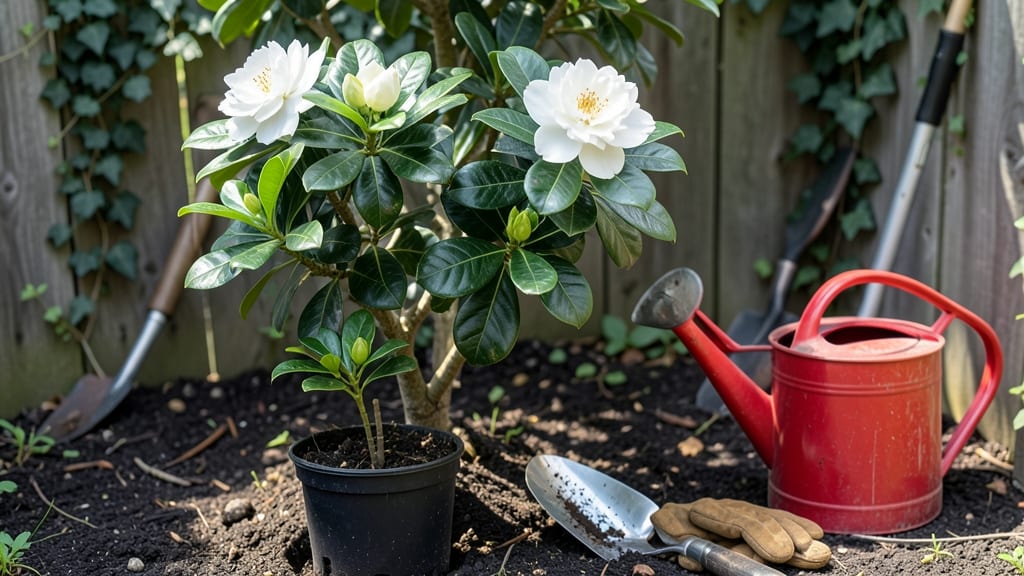
Planting gardenias in Texas at the wrong time can mean the difference between fragrant blooms and a sad, wilted shrub—so timing these tropical beauties just right is everything.
The key lies in waiting until after the last frost (typically mid-February to March in most of the state), when soil temperatures are warm enough to encourage strong root growth without scorching delicate new shoots.
Texas gardeners know the struggle: rush the process, and your gardenia might not survive the summer heat; wait too long, and it’ll struggle to establish roots before the next heatwave hits.
The ideal window—late winter to early spring—lets you beat both extremes, whether you’re in frost-prone North Texas or the milder Gulf Coast regions.
But here’s the game-changer: container gardening in colder zones (like USDA 8a) lets you plant earlier and move pots indoors if frost sneaks up.
I’ll break down the exact frost-free dates by region and show you how to prep soil for these acid-loving shrubs so they thrive from day one.
Ready to turn your Texas yard into a scented paradise? Let’s dive into the science-backed schedule that’ll keep your gardenias blooming for years—no guesswork required.
Texas heat zones explained: best planting months by region
Texas stretches across USDA zones 7a to 10b, creating wildly different planting windows for gardenias. The last frost date shifts from January 1 in South Texas to March 1 in North Texas, meaning your timing must adapt.
For example, Houston gardeners can plant as early as February 15, while Dallas gardeners should wait until March 15 to avoid frost damage.
Gardenias thrive when planted 6-8 weeks before summer’s brutal heat. This gives roots time to establish before 90°F+ temperatures stress young plants.
In Zone 10b (South Texas), you can even plant in late summer (August-September) to avoid the worst heat, but most Texas gardeners should stick to spring planting for best results.
Here’s how to match your region to the perfect planting window:
| USDA Zone | Texas Regions | Last Frost Date | Ideal Planting Window | Key Consideration |
|---|---|---|---|---|
| 7a-8a | North Texas (Dallas, Fort Worth) | March 15 | March 15–April 15 | Wait for soil to warm above 60°F |
| 8b-9a | Central Texas (Austin, San Antonio) | February 28 | February 28–March 31 | Avoid late freezes (check local forecasts) |
| 9b-10a | East Texas (Tyler, Beaumont) | January 15 | January 15–February 28 | Humidity increases transplant shock risk |
| 10b | South Texas (Houston, Corpus Christi) | December 15 | December 15–February 15 OR August–September | Avoid peak summer heat (June–July) |
For container gardening in colder zones (7a-8a), you can plant 4-6 weeks earlier than ground planting. Containers warm up faster, but ensure pots have drainage holes to prevent root rot during Texas’s unpredictable rains.
I’ve had success planting Kleim’s Hardy gardenias in containers as early as February 1 in Dallas, then moving them indoors if frost threatens.
Pro tip: Use a soil thermometer to confirm soil temps are above 60°F before planting. Gardenias hate cold soil, which stunts root growth. In North Texas, this often means waiting until late March even if frost risk drops earlier.
Patience here pays off with bigger blooms and healthier plants.
If you miss the spring window, don’t despair—fall planting (September–October) works in Zones 9b–10b. Just avoid planting when temps exceed 85°F, as young roots struggle to establish. I’ve seen gardeners in Houston plant in late September with great success, as cooler nights help roots recover.
Remember: Gardenias hate transplant shock, so the longer you can delay planting after nursery purchase, the better. If buying in winter, keep plants in pots and plant them in spring for maximum survival.
This extra step saved my first gardenia from Dallas’s late freezes—now I never plant bare-root in winter.
For coastal Texas (Galveston, Corpus Christi), humidity is the bigger enemy than frost. Plant in early spring (February) and mulch heavily to prevent fungal issues. The salt air here can also stress gardenias, so flush soil with rainwater (not tap water) for the first month after planting.
Finally, check your local extension office for microclimate adjustments. A hilltop in Austin might frost 2 weeks later than a valley, while a shady spot in Houston could handle summer planting when sunny areas can’t. Texas’s diversity means no one-size-fits-all rule—but these guidelines get you 90% there.
Texas heat zones explained: best planting months by region
Texas spans USDA zones 7a through 10b, meaning frost-free dates and heat intensity vary wildly from the Panhandle to the Rio Grande Valley.
In North Texas (zones 7b-8a), gardenias should wait until mid-March to avoid late frosts, while South Texas (zones 9a-10b) gardeners can plant as early as February—or even late summer for fall blooms. The key is aligning planting with your region’s last frost date and soil warmth.
Gardenias thrive when planted after the last frost but before summer’s brutal heat (typically by early April). For example, Dallas (zone 8a) averages its last frost around February 15, while Houston (zone 9a) sees frost-free skies by January 15.
Coastal areas like Corpus Christi (zone 9b) can even plant in late summer for fall blooms—just ensure soil temps stay above 60°F.
The ideal planting window for most Texans is late February to early April, but container gardening in colder zones lets you start earlier. Pots can be moved indoors if frost threatens, giving gardenias a head start.
Always check your local agricultural extension office for precise frost dates—Texas’ microclimates mean even nearby towns can differ by weeks.
| Texas Region | USDA Zone | Last Frost Date | Best Planting Month | Soil Temp Goal |
|---|---|---|---|---|
| North Texas (Dallas, Fort Worth) | 7b-8a | Feb 15-March 1 | Mid-March to April | 60°F+ |
| Central Texas (Austin, San Antonio) | 8a-8b | Feb 1-March 15 | Late Feb to April | 60°F+ |
| East Texas (Tyler, Beaumont) | 8a-9a | Jan 15-Feb 15 | Feb-March | 55°F+ |
| South Texas (Houston, Corpus Christi) | 9a-10b | Jan 1 (or none) | Feb-April or Aug-Sept | 50°F+ |
For container gardenias, the rules relax slightly. You can plant 4-6 weeks earlier than ground planting because pots warm faster. Just ensure your containers have drainage holes and use a lightweight potting mix—Texas’ heavy clay soil can suffocate roots.
Move pots indoors if nighttime temps dip below 40°F, even in zones 9a and above.
Pro tip: Test soil temperature with a thermometer before planting. Gardenias need soil at least 60°F to thrive—cooler soil stunts root growth. In cooler zones, use black plastic mulch to warm the soil faster.
For fall planting in South Texas, aim for August-September to give roots time to establish before winter.
Timing isn’t just about frost—it’s about avoiding Texas’ summer heat shock. Plant too late, and your gardenia will struggle to establish roots before 100°F+ days hit. The goal? 6-8 weeks of warm soil before peak summer heat arrives.
With this schedule, your gardenias will reward you with fragrant blooms from June to September—just in time for Texas’ hottest (and most humid) months.