
How To
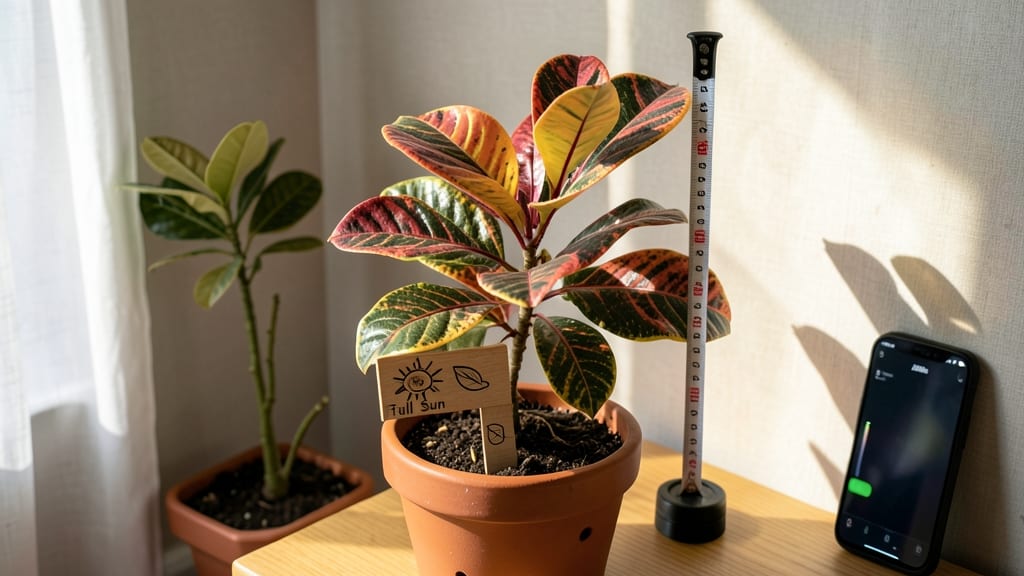
Croton light requirements: direct sun vs. indirect light explained
Croton plants (Codiaeum variegatum) thrive on bright indirect light, making them perfect for east or west-facing windows where sunlight is gentle. Unlike sun-worshipers like succulents, crotons hate harsh afternoon rays, which can bleach or scorch their stunning foliage.
Think of them as sunbathing connoisseurs—they love warmth but need shade breaks to stay vibrant.
Most croton varieties need 4-6 hours of bright, filtered light daily, but some bold-leaved types (like Croton ‘Mammoth’) can tolerate 2-3 hours of direct morning sun.
The key is balance: too little light dulls their colors, while too much causes leaf burn or crispy edges. Let’s break down the specifics for your plant’s success.
| Croton Variety | Light Needs | Direct Sun Tolerance | Indoor Placement Tips |
|---|---|---|---|
| Codiaeum variegatum (Standard) | 6+ hours bright indirect | Morning sun only (2-3 hrs max) | East or north window, 2-3 ft away |
| Croton ‘Mammoth’ (Bold Leaves) | 4-5 hours bright indirect | Tolerates 3 hrs direct morning sun | West window or 1-2 ft from east |
| Croton ‘Gold Dust’ (Variegated) | 5-6 hours bright indirect | None—avoid all direct sun | North window or grow light setup |
| Outdoor Crotons (Zones 10-11) | Full sun with afternoon shade | 6+ hours with dappled shade | Patio with umbrella or lattice screen |
For indoor crotons, position them 2-3 feet from an east-facing window for gentle morning light or 1-2 feet from a west-facing window to avoid harsh afternoon heat. If your space lacks natural light, supplement with a grow light (12-14 hours daily) to prevent leggy growth or pale leaves.
Rotate your plant quarter-turn weekly to ensure even light exposure on all sides.
Outdoor crotons in USDA Zones 10-11 can handle full sun as long as they’re shielded from hot afternoon rays (think dappled shade under a tree or patio umbrella).
In cooler climates, treat them like houseplants during summer—move them outdoors in spring (after last frost) and bring them inside before fall temperatures drop below 60°F.
Seasonal adjustments are key: Winter months mean reduced sunlight, so supplement with a south-facing window or LED grow bulb. If you notice stretched stems or dull leaves, it’s time to relocate your croton to a brighter spot or add artificial lighting.
The goal is to mimic tropical sunlight—bright but never scorching.
Pro tip: Test your light setup by observing your croton’s leaves. If the variegation fades or leaves curl, it’s getting too much direct sun. If they lose color or grow slowly, it’s not getting enough light.
Adjust gradually—sudden changes can shock the plant, causing leaf drop or wilting. Patience is your best tool!
Remember, crotons are dramatic divas when it comes to light—they’ll let you know if they’re unhappy! With the right balance, you’ll reward yourself with bold, vibrant foliage that’s the envy of every plant lover. Start with bright indirect light, and you’re already on the right track.
For extra peace of mind, keep a light journal for 2 weeks: note where your plant sits, how the leaves look daily, and any adjustments you make. This simple habit helps you fine-tune the perfect lighting for your croton’s unique personality. Happy growing!
Signs your croton isn’t getting enough (or too much) light
Your croton plant’s leaves tell a story—one that often reveals whether it’s basking in the perfect light or struggling to survive. Yellowing leaves are the first red flag, signaling insufficient light or overwatering from poor light absorption.
Meanwhile, brown, crispy edges scream sunburn from too much direct sunlight, especially harsh afternoon rays.
Don’t overlook stunted growth or loss of variegation, where those vibrant reds, oranges, and yellows fade to a dull green. This happens when your croton isn’t getting enough bright indirect light to fuel its colorful foliage.
Even the leaf orientation changes—leaves stretch toward light sources in a condition called etiolation, a clear sign your plant is desperate for more.
- Yellow leaves + drooping = Too little light or overwatering
- Brown patches + crunchy texture = Sunburn from direct sun
- Leggy stems + sparse leaves = Light deficiency causing weak growth
If your croton’s leaves start dropping prematurely, it’s often a cry for help—either from underwatering in low light or stress from too much heat and sun.
Pay attention to the soil moisture too; in low light, roots struggle to absorb water efficiently, leading to root rot if you keep watering as usual.
For outdoor crotons, watch for seasonal shifts. In winter, your plant may need to move closer to a window or under a sheer curtain to filter weaker sunlight.
Conversely, summer’s intense rays can scorch leaves even with partial shade. Rotate your plant every few weeks to ensure even light exposure on all sides, preventing lopsided growth.
Pro tip: Use your hand as a light meter. Hold it near your croton’s leaves—if you can’t read fine print in the shade of the plant, it’s likely getting enough bright indirect light. If you can easily read text, it’s time to relocate to a sunnier spot.
Remember, crotons are tropical plants that thrive in 6+ hours of bright, filtered light daily. By tuning into these visual cues, you’ll keep your croton’s foliage vibrant, healthy, and full of life—no guesswork required! 🌿