
Watering
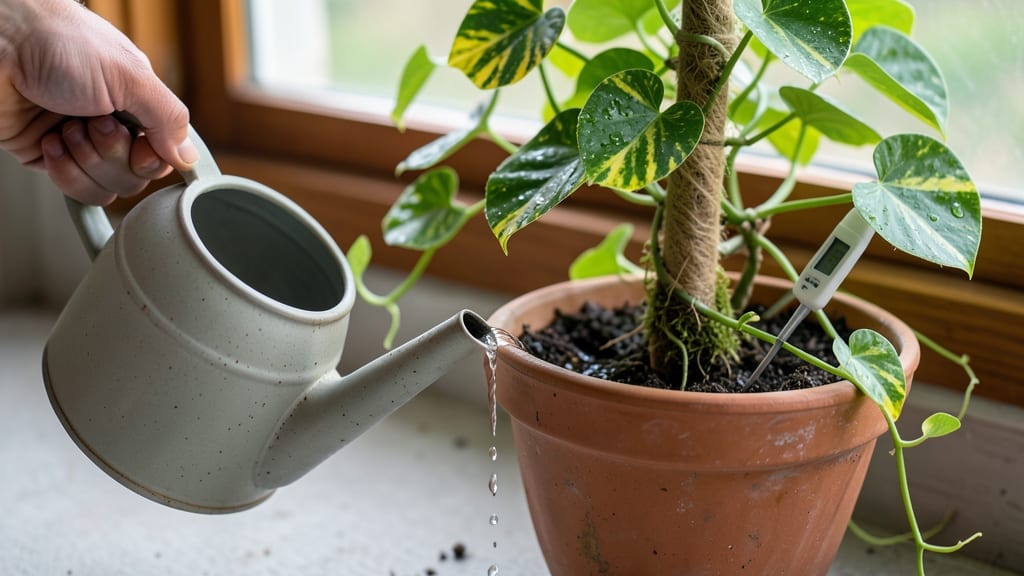
Mastering money plant how much water your plant needs is the secret to keeping its leaves vibrant and full of life—so let’s skip the confusion and get straight to the facts.
Most plant parents overcomplicate watering, but the truth is simpler than you think: your money plant needs less than you’d expect. In fact, it’s the #1 reason these plants develop brown, crispy edges—because too much moisture drowns its roots faster than you’d imagine.
I’ve learned the hard way (and revived plenty of sad-looking money plants) that the key lies in soil moisture tests, seasonal tweaks, and understanding how pot size changes drying speed.
Whether you’re a beginner or a seasoned plant parent, these insights will help you keep your money plant’s leaves lush and happy year-round.
Ready to master the perfect watering routine? Let’s dive into the exact schedule, signs your plant is thirsty (or overwatered), and pro tips to keep it thriving—no more guessing, just results.

How often to water money plant based on season and pot size
Mastering the money plant watering schedule starts with understanding its natural drought tolerance. Unlike thirsty tropical plants, Pachira aquatica thrives when its soil dries out between waterings—think of it as a succulent cousin with broader leaves. The key is checking soil moisture before watering, not sticking to a rigid calendar.
Your money plant’s pot size dramatically affects how often it needs water. A 6-inch pot may dry out in 5-7 days, while a 12-inch container could hold moisture for 10-14 days.
Larger pots retain humidity longer, mimicking the plant’s natural epiphytic habits in tropical forests where roots cling to tree bark and absorb moisture as needed.
🌱 Did You Know? Money plants in terracotta pots dry out 30% faster than plastic containers because the porous material wicks away moisture. If you’re using terracotta, water 2-3 days earlier than the schedule below suggests.
| Season | Pot Size (Diameter) | Watering Frequency | Soil Check Depth |
|---|---|---|---|
| Spring | 6-inch | Every 5-7 days | Top 1 inch dry |
| Spring | 12-inch | Every 7-10 days | Top 2 inches dry |
| Summer | 6-inch | Every 7-10 days | Top 1.5 inches dry |
| Winter | 12-inch | Every 14-21 days | Top 3 inches dry |
Pro Tip: Reduce watering by 50% if your home has low humidity (below 40%) or central heating drying the air.
Seasonal adjustments are critical. During spring and summer, your money plant enters active growth mode and needs slightly more frequent watering—about every 7-10 days—but always wait until the top 1-2 inches of soil feel dry to the touch.
In fall and winter, growth slows dramatically, and you can stretch waterings to every 2-3 weeks.
Here’s my foolproof finger-check method: Stick your index finger 1-2 inches into the soil. If it feels dry and crumbly, it’s time to water. If it’s still cool and damp, wait 2-3 more days. This simple test eliminates guesswork and prevents both root rot and dehydration stress.
For bushier money plants (like the braided variety), focus watering at the base of the stems rather than pouring over the leaves. This mimics their natural habitat where water collects in tree bark crevices. Overhead watering can lead to leaf spot diseases and unsightly brown tips.
If you’re unsure whether your money plant needs water, lift the pot—a dry pot weighs significantly less than one with moist soil. This trick works especially well for heavier ceramic pots where visual soil checks are harder.
For container gardens, group money plants together to create a microclimate that retains humidity longer.
Remember: Yellowing leaves often signal overwatering, while drooping or crispy leaf edges mean it’s thirsty. The goal is to keep your money plant’s soil consistently moist but never soggy. With this schedule, your Pachira will reward you with glossy, vibrant leaves for years to come. 🌿
How often to water money plant based on season and pot size
Your money plant thrives on a consistent but light watering routine—think of it as a drought-tolerant desert dweller that stores water in its thick stems. The golden rule? Water only when the top 1-2 inches of soil feel dry to the touch.
I’ve found that sticking my finger an inch deep is the easiest way to check without overcomplicating things.
Seasonal changes dramatically affect how often you’ll need to water. In spring and summer, your money plant will drink up moisture faster due to active growth and higher humidity levels indoors.
During these months, aim to water every 7-10 days. But don’t panic if you miss a day or two—this plant is forgiving.
Here’s the summary-table that breaks down the exact watering schedule based on season and pot size—because a small 6-inch pot dries out faster than a large 12-inch container, and that makes all the difference:
| Season | Pot Size | Watering Frequency | Soil Check |
|---|---|---|---|
| Spring | Small (6-8") | Every 5-7 days | Top 1 inch dry |
| Spring | Medium (10-12") | Every 7-10 days | Top 1-2 inches dry |
| Summer | Small (6-8") | Every 5-7 days | Top 1 inch dry |
| Summer | Large (12"+) | Every 10-14 days | Top 2 inches dry |
| Fall | Any Size | Every 10-14 days | Top 2 inches dry |
| Winter | Any Size | Every 14-21 days | Top 2-3 inches dry |
Winter is the time to cut back dramatically. With shorter days and cooler temperatures, your money plant enters a natural dormancy phase.
This is when I switch to watering every 3-4 weeks, unless my home has dry indoor air from heating systems—then I’ll check soil moisture more often.
Pro tip: If you’re unsure whether to water, always err on the side of dryness. Money plants store water in their stems, so they can handle brief dry spells much better than soggy soil.
I’ve revived plants that looked completely dead by simply letting the soil dry out completely for a month.
One more thing—never let your money plant sit in water. Always use a pot with drainage holes, and empty the saucer underneath 30 minutes after watering.
Stagnant water at the roots is a fast track to root rot, and that’s a battle even the hardiest plant parents lose.