
How To
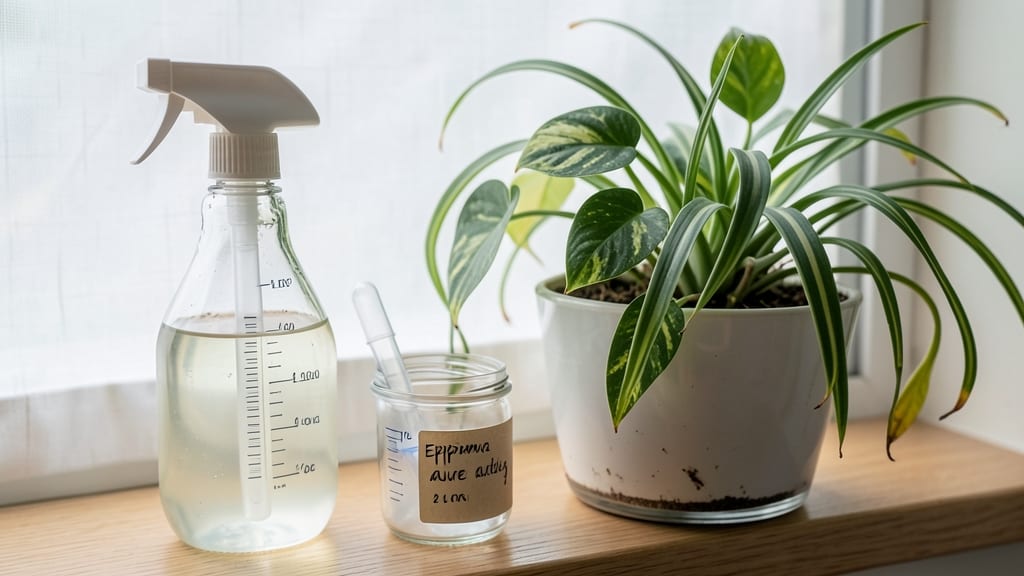
Safe hydrogen peroxide dilution ratios for plant watering: expert-recommended concentrations
Hydrogen peroxide is a powerful soil disinfectant and fungal treatment when used correctly. The key to success lies in the dilution ratio—too strong, and you risk root damage; too weak, and it won’t work.
For most gardeners, a 3% hydrogen peroxide solution is the safest starting point, but the exact mix depends on your plant’s needs and the severity of the issue.
Never use undiluted hydrogen peroxide on plants—even a 3% concentration is far too strong for roots and foliage. The breakdown of oxygen and water happens only when diluted, releasing beneficial bubbles that oxygenate soil and kill pathogens.
Think of it like a gentle bleach alternative for your garden, but with none of the harsh chemical residue.
For general soil disinfection or preventative care, the safest ratio is 1 tablespoon of 3% hydrogen peroxide per gallon of water. This 1:4 dilution ratio (1 part peroxide to 4 parts water) is ideal for potted plants, seedlings, and houseplants.
It’s strong enough to sterilize water and treat mild fungal spores without overpowering delicate roots.
| Use Case | Dilution Ratio (3% H₂O₂) | Frequency | Best For |
|---|---|---|---|
| Soil Disinfection (Pre-Planting) | 1 tbsp per gallon (1:4) | One-time treatment | Seedlings, potted plants |
| Mild Fungal Prevention | 1 tbsp per 2 gallons (1:8) | Every 2–4 weeks | Houseplants, herbs |
| Root Drench (Active Fungus) | 1 tbsp per gallon (1:4) | Weekly (max 2 weeks) | Vegetables, ornamental plants |
| Foliar Spray (Early Signs) | 1 tsp per gallon (1:16) | Every 7–10 days | Leafy greens, succulents |
For active fungal infections, you can increase the concentration slightly to 1 tablespoon per gallon (1:4 ratio) for a root drench. This stronger mix helps penetrate soil and target stubborn pathogens like powdery mildew or root rot.
However, limit this to no more than 2 weeks of treatment to avoid chemical buildup in the soil.
If you’re treating delicate plants like orchids, succulents, or seedlings, opt for a weaker solution: 1 teaspoon per gallon (1:16 ratio).
This low-concentration spray is perfect for foliar applications or gentle soil oxygenation. Always test a small area first to ensure your plant tolerates the treatment.
Pro tip: Mix your hydrogen peroxide solution fresh before each use. Over time, the oxygen bubbles dissipate, reducing its effectiveness. Store unused solution in a dark, airtight container for up to 3 days in the refrigerator, but discard any leftover solution after that to prevent oxidation.
When applying, always water plants in the morning to give foliage time to dry completely before evening. Wet leaves at night can promote fungal growth, which defeats the purpose of your treatment.
Use a spray bottle for foliar applications or a watering can with a fine rose for root drenches.
Remember, hydrogen peroxide is a supplemental treatment, not a replacement for proper garden hygiene. Combine it with crop rotation, sterilized tools, and well-draining soil for the best results. Over-reliance on any single solution can lead to resistant pathogens or plant stress.
For organic gardeners, this method is a great alternative to chemical fungicides. Just be patient—some plants may show initial stress before rebounding with healthier roots and foliage.
If you notice yellowing leaves or wilting after treatment, flush the soil with plain water immediately to dilute any excess peroxide. 🌱
When and how to use hydrogen peroxide in plant care: best practices for fungal prevention
Hydrogen peroxide isn't just for cleaning cuts—it's a powerful tool in your gardening arsenal. When used correctly, it can sterilize soil, prevent fungal growth, and even boost root health. But timing and application matter. The key is using it proactively rather than as a last-resort treatment.
For example, I always apply it before planting or when I spot the first signs of white mold or powdery mildew on my basil and peppers.
Never use hydrogen peroxide as a regular watering solution. Think of it as a one-time or occasional treatment—like giving your plants a health spa day.
The best times to apply it are: - Early spring before planting to disinfect soil - During transplanting to reduce shock and disease risk - At first signs of fungus (yellowing leaves, white spots) - After pruning to prevent bacterial infections
🌱 Pro Tip: Always apply hydrogen peroxide in the morning. This gives plants time to photosynthesize and recover before evening moisture sets in, reducing the risk of leaf burn. I also avoid spraying foliage on hot days—the sun can amplify any potential irritation.
⚠️ Critical Safety Note
Never use concentrated hydrogen peroxide—even a 3% solution is too strong for plants. Dilute it properly, and never exceed 1 tablespoon per gallon of water. Overuse can bleach soil and damage roots, turning your treatment into a toxic nightmare.
Also, avoid treating sensitive plants like orchids, succulents, or newly germinated seeds. These are more prone to chemical burn from even diluted solutions.
For foliar sprays, I use a 1:20 ratio (1 part 3% hydrogen peroxide to 20 parts water) and spray undersides of leaves where fungus loves to hide.
But I limit this to once every 2-3 weeks during outbreaks. Over-spraying can clog stomata and stress plants, making them more susceptible to pests.
Some plants thrive with hydrogen peroxide treatments, while others should avoid it entirely.
Here’s a quick guide: - Great for: Tomatoes, peppers, basil, roses, and houseplants like pothos or snake plants (when diluted properly). - Avoid for: African violets, ferns, or succulents—their delicate cells can’t handle even diluted solutions.
If you’re treating container plants, I recommend soaking the roots for 10-15 minutes in a 1:4 dilution (1 part peroxide to 4 parts water) before repotting.
This reduces transplant shock and kills harmful pathogens lurking in the soil. Just remember to rinse the roots afterward with plain water to remove any residual peroxide.