
Plants
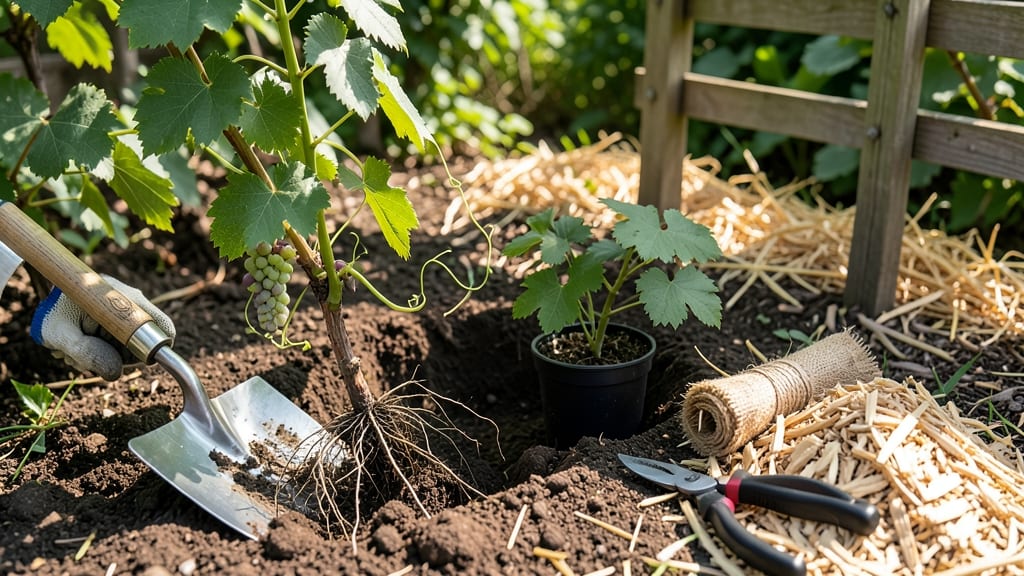
Timing your 🍇 grape planting in Illinois isn’t just about the calendar—it’s about matching your variety to the state’s chill-hour zones and avoiding frost surprises. With USDA zones 5a-6b and unpredictable spring weather, getting it right means the difference between a thriving vine and a failed harvest.
Most Illinois gardeners plant grapes in late April to early May, after the last frost date (typically around April 15), but fall planting is also an option for cold-hardy varieties. The key? Choosing grapes that match your region’s chill hours—1,000–3,000+ hours—to ensure proper dormancy and fruit set.
In this guide, I’ll break down the best planting windows for your specific zone, whether you’re growing in-ground or containers, and how to prep your soil for maximum success. No more guessing—just data-driven timing for the best harvest in your backyard.
Ready to turn your Illinois garden into a grape-growing powerhouse? Let’s get started with the exact steps to plant at the perfect time for your climate.
Illinois chill-hour zones: how to choose grapes that thrive in your region
Illinois spans USDA Zones 5a through 6b, but the real secret to growing grapes here lies in chill-hour requirements. These hours—measured as temperatures between 32°F and 45°F—determine which varieties will thrive in your specific area.
Northern Illinois (e.g., Chicago) typically sees 1,800–2,200 chill hours, while Southern Illinois (e.g., St. Louis) can reach 2,500–3,000+ hours.
Choosing the wrong variety can mean poor fruit set, weak vines, or even death during harsh winters. For example, Concord grapes (a classic Illinois favorite) need only 500–800 chill hours, making them perfect for warmer microclimates.
Meanwhile, Cabernet Sauvignon demands 1,500+ chill hours, limiting it to Southern Illinois or protected sites.
Here’s how to match your location to the best varieties:
| Chill-Hour Zone | Best Varieties | Notes |
|---|---|---|
| 1,000–1,500 hours | Concord, Niagara, Catawba | Cold-hardy; ideal for Northern IL |
| 1,500–2,000 hours | Chambourcin, Frontenac, Valvin Muscat | Versatile; handles moderate winters |
| 2,000–2,500+ hours | Cabernet Franc, Merlot, Riesling | Best for Southern IL; needs winter protection |
If you’re unsure about your chill hours, check local Cooperative Extension Service data or use a weather station app to track winter lows. For example, Chicago’s O’Hare Airport averages 2,000 chill hours, while Carbondale’s Southern Illinois University sees 2,800+ hours.
This difference alone can make or break your grape selection!
Pro tip: Hybrids like Frontenac are gaining popularity in Illinois because they combine cold hardiness with disease resistance. They’re a smart choice if you’re experimenting with wine grapes but want to avoid winter damage.
Once you’ve picked your variety, the next step is planting timing. Illinois’ last frost dates vary wildly—April 15 in Chicago vs. March 15 in Southern Illinois—so we’ll dive into the best months to plant in the next section.
For now, focus on matching your grapes to your chill hours to set yourself up for success.
🌱
Best planting months for Illinois grapes: spring vs. fall timing
Timing your grape planting in Illinois depends on two critical factors: soil temperature and frost risk. Most gardeners opt for spring planting (late April to early May), but fall planting can work for cold-hardy varieties like Concord or Frontenac.
The key is avoiding frost—grapes are tender until roots establish, and a late freeze can kill young vines.
Northern Illinois (e.g., Chicago) has a last frost date around April 15, while Southern Illinois (e.g., St. Louis) sees frost as late as March 15.
Planting too early risks frost damage, but waiting too long delays root growth. Aim for soil temps above 50°F—use a soil thermometer to check before planting.
Here’s the ideal planting timeline for Illinois:
- Late April–Early May: Best for most varieties. Soil warms, frost risk drops, and vines have 6–8 weeks to establish roots before summer heat.
- Late August–Early September: Fall planting works for cold-hardy grapes. Roots grow slowly in cool soil but avoid summer stress. Stop by October 1 to allow dormancy.
- Mid-June: Emergency planting only for container-grown grapes. Use black plastic mulch to warm soil and protect roots.
For container grapes, you can plant 4–6 weeks earlier than in-ground vines since pots warm faster. Just ensure containers have drainage holes and use a well-draining potting mix. In-ground planting requires amended soil—work in compost and sand to improve drainage, as Illinois clay can suffocate roots.
Pro tip: If planting in fall, choose disease-resistant varieties like Valvin Muscat to reduce winter rot risks. Mulch heavily with straw or wood chips (4–6 inches) to insulate roots. In spring, remove mulch in March to let soil warm.
🌿
Regardless of season, always plant grapes 2–3 months before your last frost date. This gives vines time to root deeply before summer’s heat. Next, we’ll cover common mistakes that derail even the best-laid grape-planting plans—don’t miss these critical tips!