
Plants
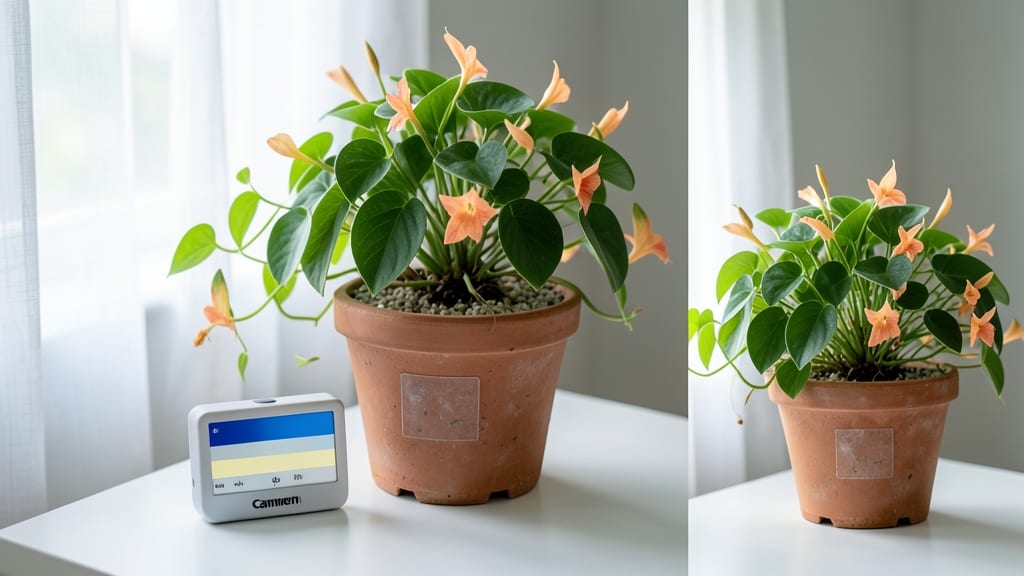
If your Goldfish Plant 🐟 keeps looking sad—droopy leaves, pale stems, or stubbornly refusing to bloom—you might be getting how much light does a goldfish plant need wrong.
This tropical beauty thrives on bright indirect sunlight, but too much or too little can turn it into a struggling houseguest instead of the vibrant showstopper it’s meant to be.
Most people assume all plants need direct sun, but the Goldfish Plant is actually delicate—like a sunbather who burns easily. Too little light, and it stretches out leggy and weak; too much, and those gorgeous leaves crisp up like overcooked fries.
The key? Mimicking its natural shade-dappled forest floor with 4-6 hours of filtered light daily.
Don’t worry if your home lacks perfect lighting—I’ll show you exactly where to place it (hint: east-facing windows are ideal) and how to spot the subtle signs it’s happy or unhappy. Plus, I’ll share easy fixes for common mistakes, so you can keep your Goldfish Plant thriving year-round.
Ready to transform that struggling 🐟 into a lush, blooming beauty? Let’s dive into the light secrets this plant’s been hiding.

Goldfish plant light requirements: the ideal bright indirect sunlight balance
The goldfish plant (Columnea microphylla) thrives in bright indirect sunlight, making it perfect for indoor gardeners with limited direct sun exposure. Unlike sun-loving plants, this beauty hates harsh rays that can scorch its delicate leaves.
Think of it as needing the same gentle glow as a morning coffee shop—warm but diffused.
Place your goldfish plant within 3-6 feet of an east or north-facing window for optimal growth. South-facing windows work too, but use a sheer curtain to filter the intensity. Without proper light, you’ll see pale, leggy growth or stunted development—signs your plant is begging for more brightness.
4-6 hours of daily light is ideal, but it’s better to give it more indirect light than too little. If your home lacks natural light, don’t worry—we’ll cover artificial lighting solutions later to keep your plant happy year-round.
Too much direct sun causes brown crispy edges on leaves, while too little leads to weak, elongated stems and sparse foliage. The key is balance—like Goldilocks, your goldfish plant wants its light just right.
| Light Requirement | Specification | Ideal Conditions |
|---|---|---|
| Intensity | Bright Indirect | East/West window, 3-6 ft away |
| Daily Duration | 4-6 Hours | Morning sun + filtered afternoon light |
| Direct Sun Tolerance | Low | Avoid midday sun; use sheer curtains |
| Low Light Signs | Leggy Stems | Move closer to light source |
| Too Much Sun Signs | Brown Leaf Edges | Increase distance from window |
If you notice your goldfish plant leaning toward the light, it’s phototropism in action—a natural response to insufficient light. Rotate the pot quarter-turns weekly to encourage even growth. This simple trick prevents lopsided plants and ensures all sides get equal exposure.
For gardeners in low-light homes, supplement with a grow light placed 12-18 inches above the plant for 6-8 hours daily. LED grow lights are energy-efficient and mimic natural sunlight perfectly. Avoid incandescent bulbs—they emit too much heat and can damage delicate foliage.
Outdoor gardeners can enjoy goldfish plants on patios or shaded balconies during spring and summer. Just ensure they’re protected from afternoon sun (1 PM onward) and bring them indoors before temperatures drop below 50°F (10°C). Cold drafts and temperature fluctuations stress the plant.
Pro tip: Test your light conditions with a light meter app (like "Light Meter" for smartphones). Aim for 1,000-3,000 lux of indirect light—this range keeps your goldfish plant thriving without risking burn or etiolated growth.
Remember, every home’s light varies—what works for your neighbor’s plant might not suit yours. Observe and adjust: if leaves yellow, it’s often a sign of overwatering or poor drainage, but if they pale, it’s time to boost the light.
Your goldfish plant will reward you with vibrant foliage and cascading blooms when you get the balance right! 🌱
Goldfish plant light requirements: the ideal bright indirect sunlight balance
The goldfish plant (Columnea microphylla) thrives in bright indirect sunlight, making it perfect for indoor gardeners with limited direct sun exposure. Unlike sun-loving plants, it avoids harsh rays that can scorch its delicate leaves.
Aim for 4-6 hours of filtered light daily—think dappled shade under a tree or a spot near an east-facing window.
If your plant gets too little light, it stretches toward the source (a sign called etiolation), producing weak, leggy stems. Conversely, direct afternoon sun causes crispy brown edges or yellowing leaves. The key is mimicking its natural habitat—shaded forest undercanopy—where light is gentle but abundant.
Here’s how to spot the perfect light balance for your goldfish plant:
| Light Condition | Ideal Spot | Plant Response |
|---|---|---|
| Bright Indirect | East or North window, 2-3 ft away | Vibrant green leaves, compact growth |
| Low Light | North-facing room, far from windows | Pale leaves, elongated stems (etiolation) |
| Direct Sun | South/West window, no filter | Brown leaf tips, crispy edges (burn) |
For indoor setups, avoid placing your goldfish plant in dim corners or behind heavy curtains. Instead, rotate the pot quarter-turns weekly to ensure even light exposure. If your home lacks natural light, supplement with a grow light (more on this in the next section).
Outdoor gardeners can grow this trailing beauty in partial shade, shielding it from midday sun with a sheer curtain or lattice.
Pro tip: If your plant’s leaves start yellowing, move it closer to a window—but never into direct sun. The goal is brightness without intensity, just like its namesake swimming in a sun-dappled pond! 🐟
Next, we’ll cover how to diagnose light issues by reading your plant’s signals—because sometimes, the leaves don’t lie. Keep reading to learn about pale leaves, crispy edges, and other red flags! ✂️