
Plants
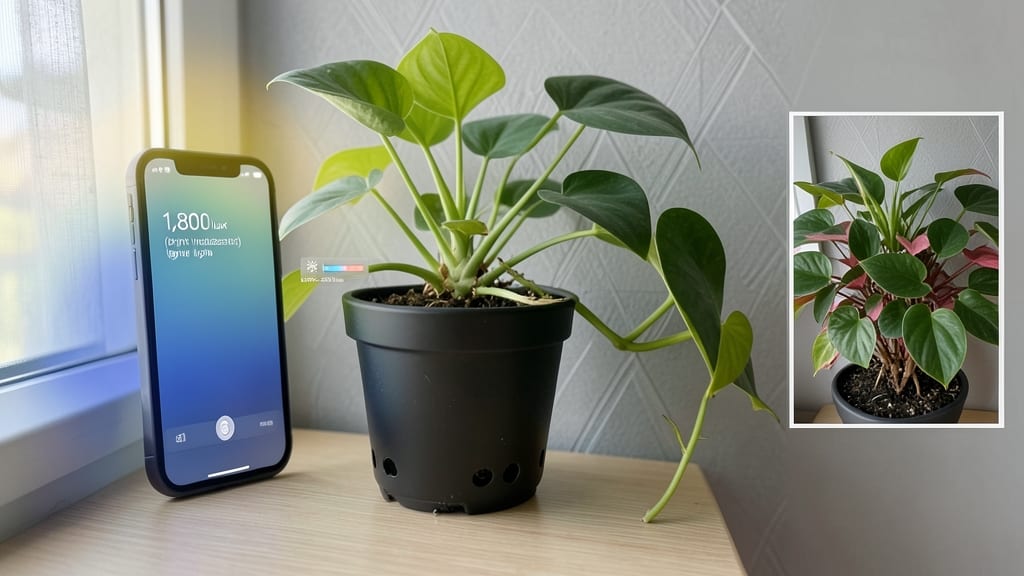
Ideal light requirements for philodendron growth: bright indirect sunlight explained
Philodendrons thrive in bright indirect sunlight, making them perfect for indoor gardens where direct sun can be harsh. These tropical plants naturally grow under the canopy of rainforests, where dappled light filters through leaves.
In your home, this translates to placing them near east-facing or north-facing windows where sunlight is gentle and diffused. Avoid south- or west-facing windows, as the intense afternoon sun can cause leaf burn and crispy edges within weeks.
Most philodendrons tolerate low-light conditions, but this often leads to leggy growth and sparse foliage as they stretch toward any available light source. Think of it like a plant reaching for a dim hallway—it grows tall but weak.
For optimal health, aim for 2-4 hours of bright indirect light daily. This balance ensures vibrant green leaves and strong stems without risking damage from overexposure.
Here’s how to spot if your philodendron isn’t getting enough light: yellowing leaves, slow growth, and stems that appear stretched or bare between leaf nodes.
On the flip side, brown patches or white/yellow spots on leaves signal too much direct sun. These signs are your plant’s way of communicating—listen closely!
| Light Condition | Effects on Philodendron | Solution |
|---|---|---|
| Too Little Light (Low Light) | Leggy growth, sparse leaves, yellowing foliage | Move to brighter spot or use grow lights |
| Bright Indirect Light (Ideal) | Vibrant green leaves, compact growth, healthy stems | Maintain current placement or rotate plant weekly |
| Too Much Direct Sun (Overexposure) | Brown patches, crispy edges, white/yellow spots | Move to shaded area or use sheer curtains |
If your home lacks natural light, grow lights are a game-changer. A simple LED grow light placed 6-12 inches above your philodendron for 12-14 hours daily mimics natural conditions. I recommend using a full-spectrum bulb to cover the plant’s needs across the light spectrum.
For example, my Philodendron hederaceum thrives under a 10-watt LED bulb in my basement office, where windows are scarce.
Another pro tip: Rotate your philodendron every 2-4 weeks to ensure even growth. Plants naturally lean toward light sources, so turning them helps maintain a bushy, symmetrical shape.
This is especially useful for trailing varieties like Philodendron micans, which can become lopsided without rotation. A quick 90-degree turn every month keeps them looking their best.
For outdoor growers, philodendrons can adapt to partial shade in gardens, but avoid placing them under harsh afternoon sun. Instead, position them under dappled sunlight from trees or on a porch with morning sun.
In containers, ensure the pot has drainage holes to prevent root rot from overwatering—especially if they’re in shadier spots where soil stays moist longer.
Remember, philodendrons are forgiving plants when it comes to light adjustments. If you notice issues, act quickly! Move the plant to a slightly brighter or dimmer spot and monitor its response over 1-2 weeks.
Patience is key—your philodendron will thank you with lush, healthy growth once you find its perfect light balance.
🌿
How to adjust your home’s lighting for a thriving philodendron: room-by-room guide
Philodendrons thrive in bright indirect sunlight, but not all rooms offer the same conditions. If your plant looks leggy or pale, it’s likely craving more light. Conversely, brown leaf tips or sunburn spots mean it’s getting too much direct sun.
Let’s break down how to optimize lighting in every room of your home to keep your philodendron happy.
Start by identifying the best window directions for philodendrons. North-facing windows provide gentle, consistent light without harsh rays, making them ideal. East-facing windows work well too, offering morning sun that gradually intensifies. Avoid south- and west-facing windows, where direct afternoon sun can scorch leaves in minutes.
🌿 Pro Tip: Rotate your philodendron quarter-turn every 2-3 weeks to ensure even growth. This prevents lopsided development and helps the plant adjust to light changes naturally.
🌱 Room-by-Room Lighting Guide for Philodendrons
✅ Best spot! Gentle, consistent light all day. Ideal for most varieties.
✅ Great for morning sun. Use sheer curtains to diffuse light.
⚠️ Risky! Move 3+ feet away or use a sheer curtain to filter harsh afternoon sun.
❌ Avoid direct sun. Place near the window but not in its path.
Use a grow light (12-14 hours/day) to supplement natural light. LED grow bulbs are energy-efficient and won’t overheat.
If your home lacks natural light, grow lights are a game-changer. Opt for full-spectrum LED bulbs (like those designed for houseplants) and position them 6-12 inches above your philodendron. Run them for 12-14 hours daily to mimic natural daylight cycles.
For extra peace of mind, use a smart plug to automate the schedule—your philodendron will thank you with vibrant, healthy growth!
💡 Watch for these signs: If leaves turn yellow or brown, move the plant farther from the window. If growth slows or stems stretch unusually tall, it’s time to increase light exposure gradually. Remember, philodendrons are adaptable—just avoid sudden changes, which can stress the plant.
For variegated varieties (like Philodendron ‘White Knight’), be extra cautious. These plants need even brighter indirect light to maintain their striking patterns, but they’re also more sensitive to direct sun. Place them near a bright, east-facing window and monitor closely for any signs of stress.