
Plants
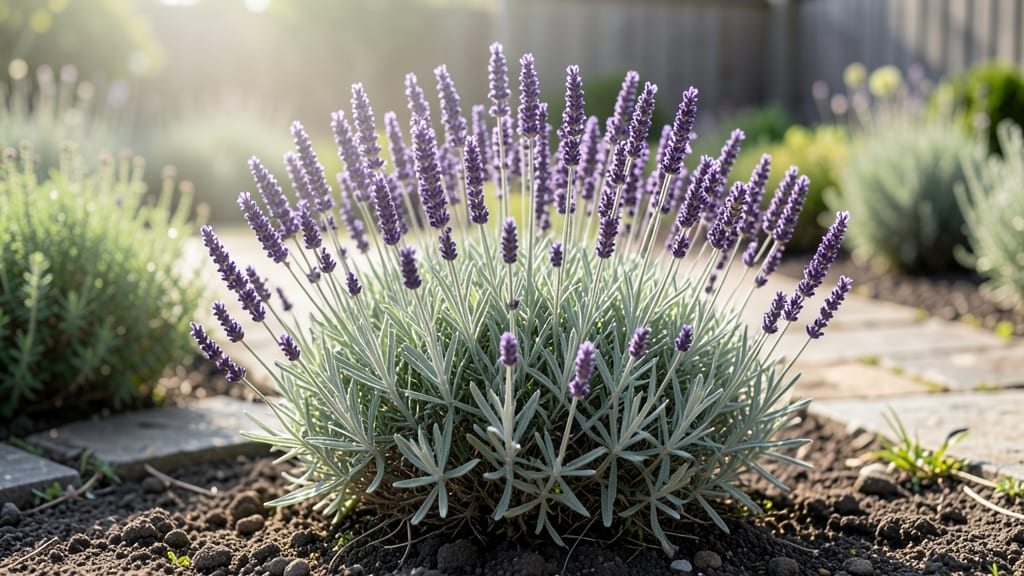
If you're dreaming of a fragrant lavender border but worried about how tall a lavender plant can grow, the good news is that heights vary wildly by type—and knowing the difference can help you plan the perfect space.
Some varieties stay neatly under 2 feet, while others reach nearly 4 feet, making them ideal for hedges or privacy screens.
English lavender, for example, typically stays between 1 and 3 feet, perfect for borders or containers, while French lavender can stretch up to 4 feet when left unpruned. The key to controlling height lies in pruning and care—cutting back in early spring encourages bushier growth and prevents legginess.
For small gardens or container growing, dwarf varieties like 'Hidcote' or 'Munstead' max out at just 8 to 12 inches, giving you all the fragrance without the space. Meanwhile, taller varieties like 'Grosso' or 'Provence' thrive in open areas where they can reach their full height.
Whether you're a beginner or a seasoned gardener, understanding these height ranges—and how to manage them—will help you create a lavender garden that’s both beautiful and perfectly sized for your space.


Lavender plant height by popular variety: exact measurements for garden planning
Lavender height varies dramatically by variety, with some staying under 1 foot while others reach 4 feet at maturity. Choosing the right type for your space ensures your garden stays organized—and fragrant!
Most lavender falls into three height categories: dwarf, semi-dwarf, or standard, each suited for different garden designs.
English lavender, the most popular type, typically grows 2–3 feet tall with a 3–4 foot spread, making it perfect for borders. French lavender, like 'Grosso', can reach 3–4 feet but stays narrower, ideal for hedges.
Spanish lavender, on the other hand, often tops out at 1–2 feet, perfect for containers or small gardens.
Understanding these differences helps you avoid overcrowding or wasted space. For example, 'Munstead' stays compact at 1–2 feet, while 'Hidcote' can grow 2–3 feet tall. Let’s break down the exact heights of the most common lavender varieties to help you plan your garden layout.
| Variety | Mature Height | Spread | Best For |
|---|---|---|---|
| English Lavender (e.g., 'Munstead', 'Hidcote') | 2–3 ft | 3–4 ft | Borders, hedges, cottage gardens |
| French Lavender (e.g., 'Grosso', 'Provence') | 3–4 ft | 2–3 ft | Hedges, tall borders, fragrance gardens |
| Spanish Lavender (e.g., 'Papillon', 'Anouk') | 1–2 ft | 2–3 ft | Containers, rock gardens, small spaces |
| Dwarf Lavender (e.g., 'Mini Blue', 'Bandera') | 8–12 in | 1–2 ft | Window boxes, balconies, fairy gardens |
| Intermediate Lavender (e.g., 'Goodwin Creek Grey', 'Allen Buck') | 1.5–2.5 ft | 2–3 ft | Mixed borders, pollinator gardens |
If you’re designing a fragrance garden, French lavender’s height makes it ideal for creating a scented hedge along pathways. Meanwhile, dwarf varieties like 'Mini Blue' add color to container gardens without overwhelming small spaces.
Always check the mature height before planting—lavender doesn’t like being crowded, and overcrowding can stunt growth or invite pests.
Another key factor is growth habit. Some lavender, like 'Hidcote', grows upright with woody stems, while others, like 'Provence', have a more sprawling habit. This affects how much space you’ll need between plants.
For example, English lavender should have 2–3 feet of space on all sides, while Spanish lavender can thrive with just 1–2 feet of clearance.
For urban gardens or balconies, prioritize compact varieties like 'Bandera' or 'Anouk'. These stay under 2 feet and thrive in 5-gallon containers with well-draining soil. If you’re planting in ground beds, taller varieties like 'Grosso' create a stunning vertical accent when grouped together.
One common mistake is assuming all lavender grows the same height. Spanish lavender, for instance, often gets confused with English lavender but stays significantly shorter. This can lead to overplanting or underutilized space.
Always match the variety to your garden’s scale—whether you’re aiming for a low border or a tall backdrop.
Pro tip: If you love the look of tall lavender but have limited space, consider pruning to control height. Regular trimming after flowering keeps plants bushier and prevents them from becoming leggy.
We’ll dive deeper into pruning techniques in the next section to help you maintain your lavender’s ideal height.
Whether you’re a beginner gardener or a seasoned pro, knowing these height ranges ensures your lavender thrives—and your garden stays organized. Now that you’ve got the measurements, let’s explore how to keep your lavender at its best height with proper care.
How lavender growth habits change with pruning and care
Did you know that lavender height isn't just about the variety? Your pruning habits and care routine can shrink a 3-foot plant into a compact 18-inch bush—or let it grow wild. Unlike many plants, lavender responds dramatically to how you shape it, especially in its first few years.
The key lies in understanding lavender's natural growth cycle. Without pruning, most varieties will grow taller and leggier, with woody stems at the base and sparse foliage. But with proper pruning, you encourage bushier, denser growth that stays at your desired height.
Think of it like training a small tree—you guide its shape rather than letting it grow wild.
Here's the secret: Prune lavender right after flowering (typically late summer) to promote new growth for the next season. This timing prevents woody stems from forming too early, which can stunt future blooms.
I've seen English lavender that reached 3 feet without pruning shrink to 2 feet with just 2 inches of annual trimming!
Prune After Flowering
Shape in Early Spring
Avoid Heavy Pruning
Soil Matters More Than You Think
Another game-changer is watering habits. Lavender thrives on neglect—overwatering makes plants leggy and weak, while proper watering keeps them stocky and strong. I once had a French lavender that grew 4 feet tall because I watered it like a thirsty tomato plant.
After switching to deep but infrequent watering, it shrunk to 2.5 feet and bloomed twice as much!
For container-grown lavender, height control becomes even easier. The root-bound effect naturally keeps plants shorter and bushier. Just ensure your pot has drainage holes and use a fast-draining mix (like cactus soil).
I grow 'Hidcote' lavender in 12-inch pots, and it stays perfectly 18-24 inches tall without any pruning at all!
Remember: Young lavender (first year) should never be pruned—let it establish roots. After that, consistent light pruning will give you the perfect height for your garden design. Whether you want a low border or a tall hedge, your pruning shears are the tool that makes it happen.