
How To
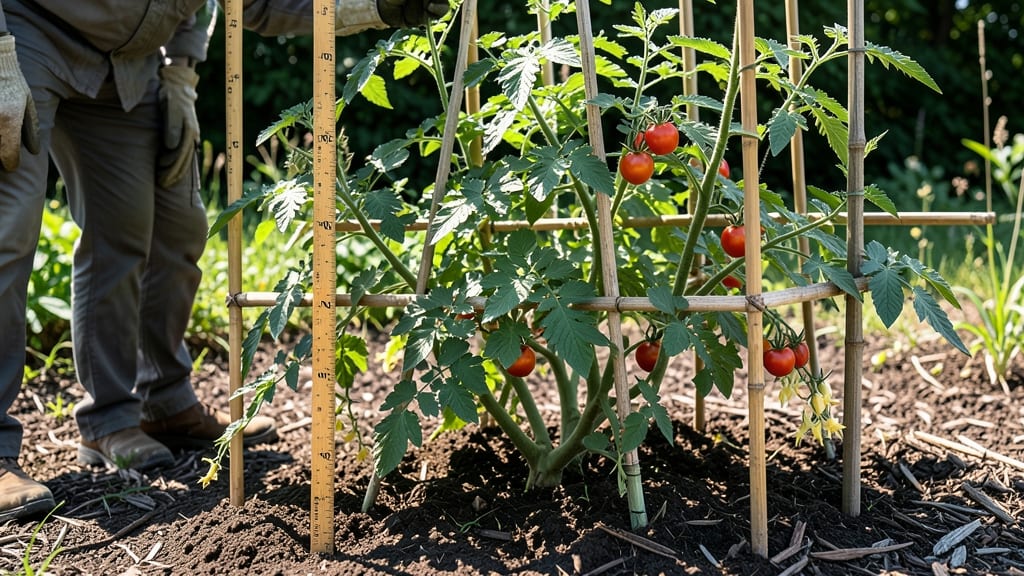
Ever wondered how tall a tomato plant will grow before it reaches for your balcony railing? The answer depends on whether you’re growing determinate (bushy) or indeterminate (vining) varieties—and how much support you give them.
Determinate tomatoes typically max out around 3–4 feet, making them perfect for containers or small gardens. Indeterminate types, though, can stretch 6–10 feet or more if left unchecked, turning your backyard into a vertical jungle.
The good news? With the right pruning and trellising, you can keep even the tallest varieties under control.
I’ll break down the height ranges for popular varieties, share pro tips for managing growth, and help you decide whether to embrace the vines or keep things compact. Whether you’re working with limited space or dreaming of a lush vertical garden, this guide has you covered.
Ready to turn your tomato patch from a wild tangle into a neat, productive (or dramatic) display? Let’s get growing!


Tomato plant height by variety: determinate vs indeterminate growth patterns
When planning your tomato garden, one of the first questions I ask is: how tall will my tomato plants grow? The answer depends entirely on whether you're growing determinate (bush) or indeterminate (vining) varieties.
These two growth patterns determine not just height, but also harvest timing, care needs, and even how much space you'll need to dedicate. Let's break down the key differences and what they mean for your garden layout.
Determinate tomatoes are the bush-type varieties that grow to a predictable height—typically between 3 to 5 feet tall. They produce fruit all at once, making them perfect for canning or if you prefer a single harvest.
Indeterminate varieties, on the other hand, keep growing and producing fruit until frost, often reaching 6 to 10 feet tall or more with proper support. This means they need more space and ongoing care throughout the season.
🍅 Visual Comparison: Imagine a compact bush for determinate varieties versus a tall vine that could climb your fence for indeterminate types. The difference in height isn't just about aesthetics—it affects everything from pruning to support structures. Let's look at some popular examples to give you a clearer picture.
| Variety Type | Height Range | Harvest Window | Best For |
|---|---|---|---|
| Determinate (Bush) | 3–5 ft | Single harvest (60–75 days) | Canning, sauces, containers |
| Indeterminate (Vining) | 6–10+ ft | Ongoing harvest (75–100+ days) | Fresh eating, trellises, large gardens |
| Roma (Determinate) | 3–4 ft | 70–80 days | Pasta sauce, salsa |
| Cherry (Sweet 100) (Indeterminate) | 6–8 ft | 65–75 days to first fruit | Snacking, salads, containers |
| Beefsteak (Indeterminate) | 8–12 ft | 80–90 days | Sandwiches, burgers, large gardens |
If you're growing in containers, determinate varieties are your best bet because their compact size (3–4 feet) fits neatly in 5-gallon pots. Indeterminate types need larger containers (at least 15 gallons) to accommodate their root systems and vining habit.
I once tried growing a Beefsteak in a 5-gallon pot—it struggled to produce fruit because the roots were cramped!
For vertical gardening, indeterminate varieties shine. A 6-foot trellis or cage can support a Cherry tomato vine all season long, saving space in small gardens. Just remember: the taller the plant, the more sturdy support it needs.
A 6-foot stake won't cut it for a 10-foot Beefsteak—you'll need a heavy-duty trellis or tomato tower.
Another key difference is harvest timing. Determinate tomatoes give you a one-time bounty all at once, which is great if you're canning or preserving. Indeterminate varieties, however, reward you with fruit all season, as long as you keep up with pruning and support.
This makes them ideal for fresh eating throughout summer and fall.
Pro tip: If you're short on space but love the idea of continuous harvests, consider dwarf indeterminate varieties like 'Tiny Tim' or 'Micro Tom'. These stay under 2 feet tall but still produce fruit all season—perfect for balcony gardens or windowsill containers.
Understanding these growth patterns helps you plan your garden layout, choose the right support structures, and even predict when you'll need to start harvesting. Next, we'll dive into how to control tomato plant height using pruning, trellising, and other techniques to keep your plants at your desired size.
Tomato plant height by variety: determinate vs indeterminate growth patterns
If you’ve ever wondered how tall tomato plants grow, the answer starts with one key distinction: determinate vs. indeterminate varieties. These two growth types determine whether your plants will stay compact or climb like jungle vines.
Determinate tomatoes—like Roma or Celebrity—typically reach 3–4 feet tall and produce fruit in one flush, making them ideal for containers or small spaces.
Indeterminate varieties, such as Sungold cherry tomatoes or Brandywine, are the sky-scrapers of the tomato world. Left unchecked, they can soar to 6–10 feet or taller, producing fruit continuously throughout the season. The trade-off? They require more space and support but reward you with a longer harvest window.
Here’s how the two stack up in a real-world comparison:
| Variety Type | Height Range | Growth Habit | Harvest Window | Best For |
|---|---|---|---|---|
| Determinate | 3–4 ft | Bushy, compact | Single flush (60–70 days) | Containers, small gardens |
| Indeterminate | 6–10+ ft | Vining, continuous | Ongoing (all season) | Vertical gardens, trellises |
| Examples |
|
— | — | — |
Choosing the right variety isn’t just about height—it’s about harvest timing and space management. Determinate tomatoes are perfect if you want a quick, contained harvest, while indeterminate types offer a prolonged feast but demand more attention to pruning and support.
For example, a Sungold cherry tomato vine can climb a trellis to 8 feet while producing fruit all summer long.
If you’re working with limited space, opt for dwarf varieties like Tiny Tim, which max out at 1–2 feet. These are ideal for balconies or windowsills.
On the other hand, if you’re aiming for a dramatic vertical display, indeterminate varieties will turn your garden into a living sculpture—just be ready to invest in sturdy trellises or cages.
Pro tip: Even indeterminate plants can be pruned to control height. By removing suckers (the shoots that grow between the stem and branches), you can encourage a more compact growth habit while still enjoying a long harvest. This is especially useful if you’re growing in containers or small urban gardens.
🌱