
Watering
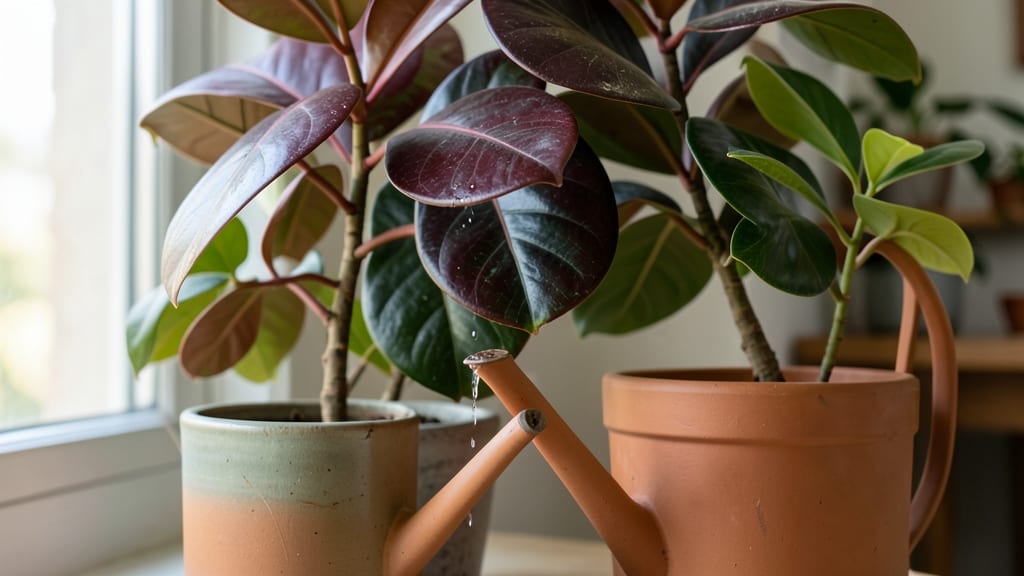
Figuring out how much water a rubber plant needs can feel like guessing—drown it, and you’ll watch its leaves turn yellow; neglect it, and they’ll droop like a sad balloon. 🌿 But here’s the thing: rubber plants are tougher than they look, and with the right approach, you’ll keep those glossy leaves happy year-round.
Most people overwater by default, thinking plants need constant moisture like a thirsty pet. The truth? Your rubber plant’s roots prefer to dry out slightly between drinks.
I’ve learned the hard way that sticking my finger in the soil (about an inch deep) is the simplest trick—if it’s dry, water; if it’s damp, wait. This one habit saves plants from root rot and wilting.
Season matters too. In spring and summer, your rubber plant will drink more as it grows, while winter slows everything down. Even humidity plays a role—dry air means more frequent watering, but a humid bathroom might stretch those 7-10-day intervals.
Let’s break down the exact schedule so you never second-guess again.
Ready to master the art of watering? I’ll walk you through the signs your plant is thirsty (or drowning), the best techniques for even moisture, and how to adjust for your home’s unique conditions. No more guesswork—just lush, thriving leaves.

How often to water a rubber plant: the exact schedule by season
Rubber plants (Ficus elastica) are famously low-maintenance, but their watering needs shift dramatically with the seasons. In my experience, the biggest mistake new plant parents make is treating their rubber plant like a cactus year-round—when it actually craves more moisture in summer and less in winter.
Let's break down the seasonal watering schedule that keeps those glossy leaves happy without drowning the roots.
Your rubber plant's watering routine should follow nature's lead. During spring and fall, when temperatures are moderate and growth is steady, aim to water every 7-10 days. This gives the soil time to dry out slightly between waterings while supporting active growth.
Think of it as a balanced approach—enough moisture to thrive, but not so much that the roots suffocate.
Summer is when rubber plants drink the most. With higher temperatures and increased sunlight, your plant may need water every 5-7 days, especially if it's in a sunny spot. I always check the soil first—if the top 1-2 inches feel dry, it's time to water.
Pro tip: Group your rubber plant with others in summer to create a microclimate that retains moisture longer.
| Season | Watering Frequency | Soil Check | Water Amount |
|---|---|---|---|
| Spring | Every 7-10 days | Top 1-2" dry | 500-750ml (deep soak) |
| Summer | Every 5-7 days | Top 1" dry | 750-1000ml (more in heat) |
| Fall | Every 7-10 days | Top 1-2" dry | 500-750ml (reduce gradually) |
| Winter | Every 10-14 days | Top 2-3" dry | 300-500ml (minimal water) |
Winter is when rubber plants enter their dormant phase. During these months, reduce watering to every 10-14 days and only water when the top 2-3 inches of soil are completely dry.
I've seen too many rubber plants suffer from root rot in winter because people don't adjust their watering habits. Remember, cooler temperatures mean slower growth—and slower growth means less water needed.
Your rubber plant's pot size and material also play a huge role in its watering needs. Plants in smaller pots dry out faster because there's less soil to hold moisture. I always use my finger to check soil moisture—stick it about 1 inch deep.
If it feels dry, it's time to water. For larger pots, you might only need to water every 10-14 days even in summer.
One common mistake I see is watering based on a fixed schedule rather than the plant's actual needs. Instead of following a calendar, always check the soil first. The weight of the pot can also be a good indicator—when it feels noticeably lighter, that's your cue to water.
And never let your rubber plant sit in standing water—always ensure the pot has drainage holes.
Humidity levels affect watering needs too. If your home is particularly dry (common in winter with heating), your rubber plant will need water more frequently because the soil dries out faster.
In these cases, I recommend placing a pebble tray under the pot or using a humidifier nearby. This mimics the plant's natural tropical environment and reduces the frequency of watering needed.
When in doubt, it's always better to underwater slightly than to overwater. Rubber plants are surprisingly resilient and can bounce back from a few missed waterings. I've revived plants that were completely wilted by giving them a thorough drink and moving them to brighter light.
But once you see signs of yellowing leaves or mushy stems, it's often too late to save the plant from overwatering.
Pro tip: Keep a watering journal for your rubber plant. Note when you water, how much you use, and any changes in the plant's appearance. Over time, you'll develop an instinct for exactly when your specific rubber plant needs water based on your home's unique conditions.
This personalized approach works better than any generic schedule!
How often to water a rubber plant: the exact schedule by season
Your rubber plant’s watering needs shift with the seasons, just like your own hydration habits. In spring and summer, growth speeds up, so you’ll need to water more frequently—think every 5-7 days—while fall and winter slow things down to every 10-14 days.
The key? Always check the soil first. Stick your finger about an inch deep; if it feels dry, it’s time to water. If it’s still damp, wait a few more days. This simple test prevents both overwatering and underwatering.
I’ve made the mistake of watering on a strict schedule without checking the soil, and my rubber plant paid the price with yellowing leaves. Now, I rely on this two-step method: finger test + visual cues.
For example, in summer, your plant might need water twice a week, but if it’s in a shady spot, it could stretch those intervals to once a week. Pay attention to your plant’s unique rhythm—it’s smarter than you think.
Here’s the breakdown you’ve been waiting for: a seasonal watering schedule tailored to your rubber plant’s natural cycle. Whether you’re a busy professional or a weekend gardener, this table will help you stay on track without guesswork.
| Season | Watering Frequency | Soil Check | Signs of Overwatering |
|---|---|---|---|
| Spring | Every 7 days | Top 1-2 inches dry | Yellow leaves, mushy stems |
| Summer | Every 5-7 days | Top 1 inch dry | Drooping leaves, brown tips |
| Fall | Every 7-10 days | Top 2 inches dry | Slow growth, wilting |
| Winter | Every 10-14 days | Top 2-3 inches dry | Dry, crispy leaf edges |
Notice how the soil check depth increases in cooler months? That’s because your rubber plant’s roots slow down, and the top layer stays moist longer. In winter, for example, you might go three weeks without watering if your home is dry.
But if your space has high humidity—like a bathroom—cut that interval in half. Always adjust based on your environment, not just the calendar.
One more pro tip: use room-temperature water to avoid shocking the roots. Cold water from the tap can cause stress, especially in sensitive plants. I keep a pitcher of water on my counter to let it sit for a few hours before watering.
It’s a small habit, but it makes a big difference in your rubber plant’s health. Think of it as giving your plant a refreshing drink instead of a cold splash.
Remember, rubber plants are resilient, but they’re not invincible. The goal isn’t perfection—it’s consistency. Stick to this schedule, trust your finger test, and you’ll reward yourself with a thriving, leafy green companion for years to come. 🌱