
Companion Plants
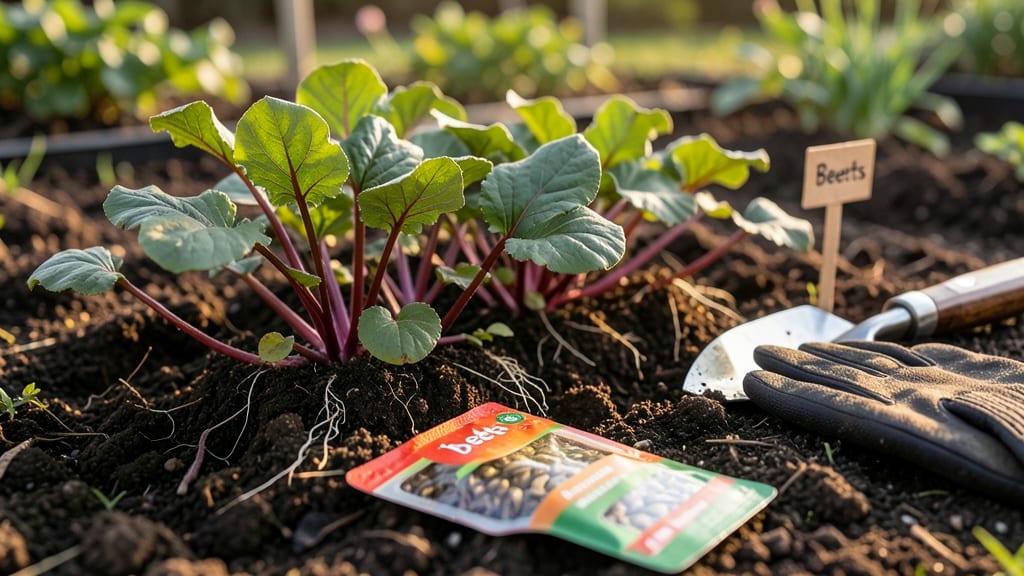
Planting beets in Zone 6 at the wrong time can turn your crisp, sweet harvest into tough, bitter roots—and nobody wants that! The key to success lies in timing your seeds just right, whether you're aiming for a spring bounty or a fall harvest.
For gardeners in Zone 6, the ideal window opens in early spring (March to April) and closes again in late summer (July to August). These periods align perfectly with the 🍠's love of cool soil temperatures (40–50°F) and avoid the heat that triggers bolting.
But getting the timing wrong means waiting longer for harvests—or worse, watching your plants bolt before they mature.
I’ve tested these exact planting windows over the years, and the results speak for themselves: crunchy, flavorful roots when you follow the schedule. In this guide, I’ll break down the precise weeks before your last frost, soil prep tips, and even how to stretch your harvest season with succession planting.
Ready to grow beets that taste like summer? Let’s dive into the Zone 6 planting schedule that guarantees a garden full of sweet, earthy roots—no guesswork required.

Zone 6 beet planting schedule: exact weeks before last frost for maximum yield
In Zone 6, timing is everything for beets—plant too early, and you risk frost damage or slow germination. Too late, and your roots may bolt (go to seed) in the heat.
The last frost date for most Zone 6 areas is around mid-April, but soil temperatures matter more than calendar dates. Aim to plant beets 4-6 weeks before your last frost when soil reaches 40–50°F.
For a spring harvest, start seeds indoors 4 weeks before your target outdoor planting date. Beets are cold-hardy and can tolerate light frosts, but consistent soil warmth speeds up germination.
If you’re direct-sowing, early March is your best bet for a June harvest, while late March to early April works for a July-August crop.
Here’s the exact planting window breakdown for Zone 6, including soil prep and harvest timing to maximize your yield:
| Stage | Action | Zone 6 Timeline | Soil Temp |
|---|---|---|---|
| Soil Prep | Loosen soil, add compost, test pH (6.0–7.0 ideal) | Early March | 40–50°F |
| Indoor Start | Sow seeds in trays, keep warm (70°F) | Late February | 70°F (indoors) |
| Outdoor Planting | Direct-sow ½" deep, 1" apart, thin to 3" | Early March–Early April | 40–60°F |
| Germination | Sprouts in 7–14 days (warmer soil = faster) | March–April | 50–60°F |
| Thinning | Remove weak seedlings, leave 3–4" apart | April–May | 50–70°F |
| Harvest Window | Baby beets: 45–50 days; mature: 60–70 days | June–October | 50–75°F |
Pro tip: Use a soil thermometer to confirm readiness—beets won’t germinate below 40°F, even if the air is warm. If your soil is too cold, wait until temperatures stabilize. For fall harvests, plant again in late July to early August for a cool-season crop before frost.
Avoid planting beets when daytime temps exceed 80°F, as this triggers bolting (flowering) and makes roots woody and bitter. In Zone 6, late summer plantings should be done by mid-August to ensure roots mature before the first frost in mid-October.
For continuous harvests, stagger plantings every 2 weeks from March to August. This ensures you always have fresh beets ready to pull, whether for salads, roasting, or pickling. Just remember: consistent moisture is key—drought stress leads to small, tough roots.
If you’re new to beet growing, start with detached varieties like 'Detroit Dark Red' or 'Golden', which are bolting-resistant and sweet even in warmer Zone 6 summers. These varieties also store well, so you can harvest early and enjoy beets through winter.
🌱
Spring vs. fall beet planting: which season works best in Zone 6?
Choosing between spring and fall planting for beets in Zone 6 depends on your goals: quick harvests or extended season success. Both seasons work, but they come with unique challenges and rewards. I’ve planted beets in both seasons for years, and here’s what I’ve learned about maximizing your yield.
Spring planting gives you an early harvest (June–July), but late spring heat can trigger bolting—when beets send up flower stalks instead of growing roots. Fall planting, on the other hand, avoids summer heat and often produces sweeter, more tender roots by harvest time (October–November).
The key is timing each season correctly to avoid these pitfalls.
For spring plantings, aim to sow seeds 4–6 weeks before your last frost date (typically mid-April in Zone 6). This gives seedlings enough time to establish roots before soil warms too much.
If you plant too early, cold soil can delay germination, while planting too late risks bolting before harvest.
Fall planting requires a different approach. Start seeds 8–10 weeks before your first frost (mid-October in Zone 6), usually in late July or early August. This timing ensures roots mature before cold weather sets in.
The cooler fall temperatures actually improve beet flavor and texture, making it my preferred season for a second crop.
Spring Planting
Pros
- ✅ Early harvest (June–July)
- ✅ Longer daylight supports faster growth
- ✅ Less bolting risk if planted early
Cons
- ❌ Bolting risk if planted too late
- ❌ Soil may warm too quickly, reducing sweetness
- ❌ Pests like leaf miners are more active
Fall Planting
Pros
- ✅ Cooler temps prevent bolting
- ✅ Sweeter, tender roots due to slower growth
- ✅ Fewer pests in late season
Cons
- ❌ Shorter growing window before frost
- ❌ Requires precise timing to avoid immature harvests
- ❌ Soil may compact from fall rains
If you’re torn between seasons, I recommend trying both for a continuous harvest. Start with spring seeds in early April, then follow up with fall seeds in late July.
This strategy gives you beets from June through November—no summer gap! Just be sure to choose bolt-resistant varieties like ‘Detroit Dark Red’ or ‘Golden’ for better heat tolerance.
Pro tip: Use row covers in early spring or late fall to extend your planting windows by 2–3 weeks. They protect seedlings from frost and pests while keeping soil temperatures ideal for germination.
I’ve added 4–6 extra weeks of growing time this way, which is a game-changer for Zone 6 gardeners!
🌱