
Companion Plants
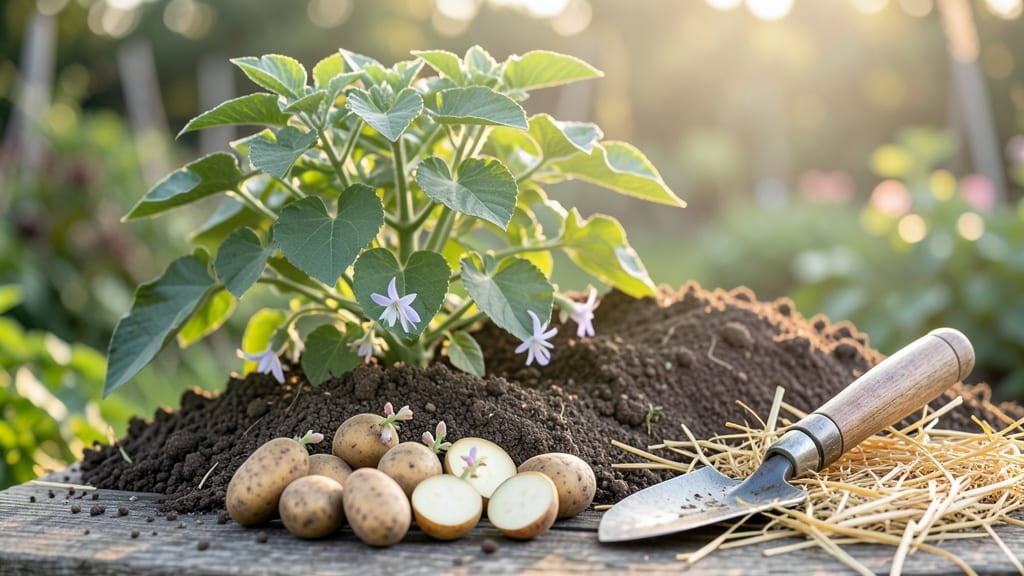
Timing when you can plant potatoes in Ohio can make or break your harvest—get it wrong, and you’ll either face frost-nipped sprouts or blighted tubers before summer’s end. The key isn’t just knowing when to plant, but understanding how Ohio’s 6a zone and unpredictable spring frosts demand precision.
Most gardeners in Ohio plant potatoes between March and April, but the exact window depends on your region’s last frost date—typically around April 15 in most areas.
That means planting 2 to 4 weeks before that date, when soil reaches a steady 45°F, gives your 🥔 potatoes the jumpstart they need to outpace late frosts.
Here’s the game-changer: early varieties like ‘Yukon Gold’ thrive when planted in February or early March (if soil can be worked), while late varieties like ‘Kennebec’ need that 4-week buffer before the last frost.
I’ll break down the exact weeks for your Ohio county, plus how to adjust for microclimates that can shift frost dates by 10 days or more.
Ready to avoid the most common mistakes? You’ll learn how to test soil warmth, choose the right variety for your region, and even use row covers to extend your planting window—so you’re not left scrambling when the 🥔 potatoes start flowering and the calendar says “harvest season is almost here.”
Ohio’s last frost dates by region: exact weeks to plant potatoes for peak growth
Ohio’s diverse climate means last frost dates vary dramatically from Northern Ohio to Southern Ohio. In Zone 5b (northwest), the average last frost is April 20–May 1, while Zone 6a (central/south) sees frost-free conditions by April 1–15.
Planting potatoes 2–4 weeks before your region’s last frost ensures strong tubers before summer heat sets in.
For Northern Ohio, aim to plant March 15–April 1 (4 weeks before frost). In Southern Ohio, you can start as early as February 20–March 15 (5 weeks before frost). Microclimates—like low-lying areas or urban heat islands—can shift these dates by 1–2 weeks, so always check local records.
Use Ohio’s USDA Hardiness Zone Map to refine your timing. For example, Toledo (Zone 5b) needs later planting than Columbus (Zone 6a). Adjust for late frosts by planting successive batches every 2 weeks for a staggered harvest.
🌱
To find your exact last frost date, check the Ohio Agricultural Research and Development Center’s frost maps or use the National Weather Service’s climate data.
For 2024, aim to plant 4–6 weeks before your region’s average last frost—this gives tubers 90–120 days to mature before Ohio’s first fall frost (October 15).
If you’re unsure, use the “frost-free date calculator” from the Ohio State University Extension. Enter your ZIP code to get a personalized planting window. For example, Cleveland (Zone 5b) gardeners should plant by April 1, while Cincinnati (Zone 6b) can start in late February.
Pro tip: Plant test rows 1–2 weeks apart to hedge against late frosts. This ensures at least one batch survives if an unexpected freeze hits. Use black plastic mulch to warm soil faster in cold regions like Toledo or Youngstown.
🌡️
For container growing, extend your planting window by 2–3 weeks—pots warm up faster than soil. Place containers in south-facing spots and use heat mats if nights dip below 40°F. Just ensure pots are at least 12 inches deep to accommodate tuber growth.
Finally, avoid planting too early—cold, wet soil can rot seed potatoes. Wait until soil reaches 45°F (7°C), even if air temperatures are milder. Use a soil thermometer to confirm readiness, especially in Northern Ohio’s unpredictable springs.
How soil temperature affects potato planting: the 42°F rule and Ohio’s unique challenges
Ohio’s cold springs can turn your potato planting plans into a guessing game—air temperature might say “spring,” but soil temperature is what truly determines success. The magic number? 42°F (or 45°F for faster sprouting).
When soil dips below this, your 🥔 potatoes risk rotting or failing to sprout, even if the weather feels warm above ground.
Most Ohio gardeners wait until soil hits 45°F, which typically aligns with late March to early April in Northern Ohio and mid-March in Southern regions. But if you’re eager to plant early, you’ll need to test soil warmth daily—especially in USDA Zone 6a areas where frost can linger unpredictably.
Planting potatoes in below-42°F soil triggers fungal diseases like blackleg and scab. Ohio’s wet springs make this risk even higher. Always check soil temp with a soil thermometer (or press your hand into the ground—if it feels chilly, wait!).
Here’s my step-by-step soil test to avoid costly mistakes:
- Press the soil: If it feels cold to your knuckles, it’s not ready.
- Use a thermometer: Bury it 4 inches deep (where potatoes will root) and wait 10 minutes for an accurate reading.
- Adjust for microclimates: South-facing slopes warm 2–3 days faster than low-lying areas.
For early planting (February in Southern Ohio), try chitting potatoes: place cut seed potatoes in a cool, bright spot (60°F) for 3–4 weeks to sprout. This gives them a head start, but still plant only when soil is 42°F+.
Pro tip: Use black plastic mulch to warm soil 5–7°F faster.
If frost threatens after planting, row covers (lightweight fabric) can add 2–4°F of protection. I’ve used them in Northwest Ohio to extend the season by 10 days—just remove covers when plants reach 6 inches tall to prevent overheating.
Remember: Soil temperature > air temperature. Ohio’s unpredictable frost means even a 70°F day can hide 40°F soil. Test daily, and don’t rush—your 🥔 harvest depends on it!