
Flowers
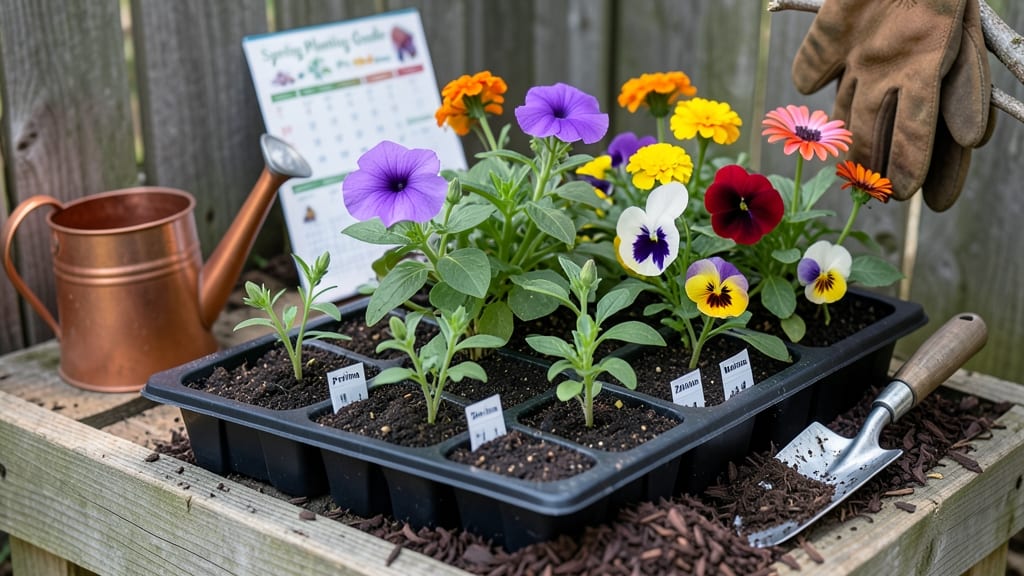
Planting flowers in Michigan at the wrong time can mean the difference between a showstopping garden and a sad, wilted disappointment. The perfect window depends on your USDA zone, whether you're in Detroit or the Upper Peninsula, and the type of blooms you're dreaming of.
I’ve spent years watching Michigan’s unpredictable spring weather turn hopeful gardeners into frustrated ones—until I learned the exact deadlines for each zone. Whether you’re planting delicate annuals or hardy perennials, timing is everything.
Let’s break down when to put those seeds in the ground so your flowers thrive from the first frost to the last.
From spring bulbs that need cool soil to summer annuals that crave warmth, Michigan’s zones 5-6 have unique rules. I’ll show you how to adjust for late frosts, heatwaves, and even microclimates in your backyard. No more guessing—just lush, long-lasting blooms.
Ready to transform your garden? Stick around to discover the month-by-month planting schedule that works for your region, plus pro tips to extend your growing season. Your future garden is waiting.
Michigan flower planting deadlines by USDA hardiness zone (5-6)
Michigan spans USDA Zones 5b and 6a/b, which means your planting deadlines can vary by 2-3 weeks depending on whether you're in Detroit, Grand Rapids, or the Upper Peninsula.
The key is knowing your average last frost date—typically May 10-20 for southern Michigan and May 25-June 5 for northern areas. Planting too early risks frost damage, while waiting too long can stunt growth.
For annual flowers, aim to plant 2-4 weeks after your last frost date when soil temperatures hit 60°F+. Perennials and bulbs often have different windows—some thrive when planted in fall (September-October), while others wait for early spring (March-April).
Let’s break down the exact deadlines by zone and flower type.
| Zone & Location | Last Frost Date | Annuals (Outdoor) | Perennials (Fall) | Bulbs (Fall) |
|---|---|---|---|---|
| Zone 5b (Detroit, Lansing) | May 10-15 | May 20-June 1 | September 15-October 1 | September 1-October 15 |
| Zone 6a (Grand Rapids) | May 15-20 | May 25-June 5 | September 20-October 10 | September 10-October 20 |
| Zone 6b (Traverse City) | May 20-25 | June 1-10 | September 25-October 15 | September 15-October 25 |
| Upper Peninsula (Zone 4-5) | June 1-10 | June 15-July 1 | September 1-October 5 | August 15-September 30 |
🌱 Pro Tip: Use a soil thermometer—ideal temps for planting are 50°F+ for perennials and 60°F+ for annuals.
In Zone 5b (southern Michigan), you can start planting cool-season annuals like pansies or snapdragons as early as April 1 under row covers.
By contrast, tender annuals like marigolds or petunias must wait until after Memorial Day to avoid frost. Perennials like coneflowers or black-eyed Susans thrive when planted in early fall (September), giving roots time to establish before winter.
For bulbs like tulips or daffodils, the window is tight—plant them 6-8 weeks before the ground freezes (typically September-October). In northern Michigan, this shifts to August-September to avoid early freezes. Spring-blooming bulbs (like crocuses) can even be planted in late fall (November) if the ground isn’t frozen.
Microclimates matter! South-facing slopes warm up 1-2 weeks earlier than shaded areas, while low-lying spots may frost later. Use these variations to your advantage—plant heat-lovers like lantanas on sunny walls and cool-season flowers near north-facing fences. Always check your local Cooperative Extension Service for hyper-local frost data.
If you’re in Zone 6b (northern Lower Peninsula), delay planting heat-loving annuals until after June 1 to avoid late-spring frosts. For example, geraniums planted too early may bolt (flower prematurely) or rot in cool, wet soil.
Instead, start them indoors in March and transplant after the last frost.
For container gardening, you have more flexibility—move pots to sheltered spots during late frosts or use heat mats to warm soil. Cold-hardy annuals like sweet alyssum can even handle light frosts, making them ideal for early spring or fall planting.
Just avoid heavy mulch until soil warms to 55°F+.
Remember: Soil temperature > air temperature. A 50°F soil can support planting even if the air is 40°F. Use a soil thermometer to confirm readiness—especially for seeds vs. transplants, which have different temperature thresholds. Seeds need 60°F+, while transplants can handle 50°F+ with protection.
🌿 Key Takeaway: Southern Michigan (Zone 5b) plants 2-3 weeks earlier than the Upper Peninsula (Zone 4-5). Always align your planting with soil temp, not just calendar dates.
Best flowers to plant by season in Michigan (with exact months)
Michigan’s four distinct seasons create unique planting opportunities for flowers. Whether you’re dreaming of bold annuals that bloom all summer or hardy perennials that return year after year, each season has its own ideal planting window. Let’s dive into the exact months to plant your favorites, tailored to Michigan’s climate.
Spring brings cool soil and shorter days, perfect for bulbs and early perennials like daffodils and tulips. Meanwhile, summer’s warmth is ideal for heat-loving annuals such as zinnias and marigolds. Even fall has its stars—think pansies and snapdragons that thrive in cooler weather.
I’ll break down the best flowers for each season, so you can plan your garden like a pro.
🌱
📌 Seasonal Planting Guide for Michigan Flowers
- 🌸 Spring (March–May):
- Bulbs: Tulips, daffodils, hyacinths (plant in fall or early spring)
- Perennials: Peonies, coneflowers, black-eyed Susans (plant in spring after last frost)
- Cold-hardy annuals: Pansies, sweet peas (direct sow after frost)
- ☀️ Summer (June–August):
- Heat-loving annuals: Zinnias, marigolds, sunflowers (plant after Memorial Day)
- Tender perennials: Lavender, salvia (transplant after soil warms)
- 🍂 Fall (September–October):
- Bulbs: Crocus, alliums (plant 6–8 weeks before first frost)
- Perennials: Asters, sedum (plant in early fall for root establishment)
- Cool-season annuals: Snapdragons, calendula (sow in late summer)
For Michigan’s southern zones (6a-6b), like Detroit or Grand Rapids, you can push the envelope slightly. Plant warm-season annuals like petunias or geraniums as early as mid-May, once nighttime temperatures stay above 50°F.
In contrast, the Upper Peninsula (zone 5b) demands patience—wait until after Memorial Day to avoid late frosts.
Pro tip: Fall-planted bulbs like tulips need 6–8 weeks of chill before sprouting. If you’re in zone 5b, plant them by mid-October; in zone 6a, aim for early November. This ensures they’ll bloom beautifully next spring without missing their dormancy window.
Don’t forget perennials! While they can handle Michigan’s winters, planting them in early spring (after frost) gives their roots time to establish before summer’s heat. For annuals, succession planting every 2–3 weeks keeps your garden blooming all season long.
🌻