
Planting
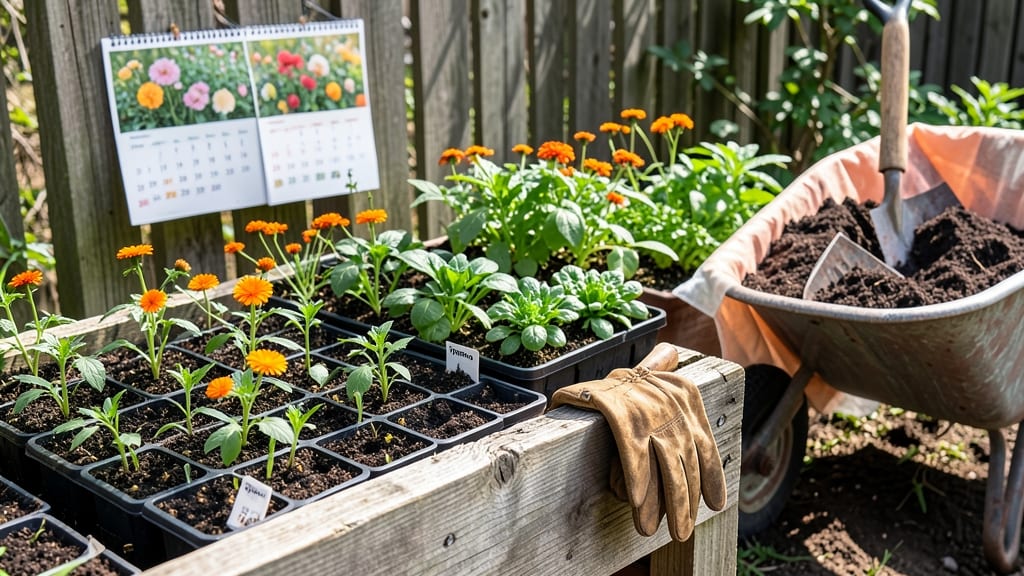
Planting a garden in Ohio isn’t just about grabbing seeds and sticking them in the dirt—it’s about timing those 🌱 garden vegetables (general) just right to avoid frost’s cruel surprises. Whether you’re dreaming of crisp lettuce or juicy tomatoes, getting the dates wrong can mean wasted effort (and money!).
The key? Knowing when to start seeds indoors, when to transplant tender seedlings, and how to adjust for Ohio’s 6a zone quirks.
Most Ohio gardeners wait until after the last frost date—typically around mid-April—but that’s just the start. Cool-season crops like spinach and peas can handle light frosts, while heat-lovers like peppers need warm soil to thrive.
I’ll break down the exact windows for each type, so you can plan with confidence and avoid the heartbreak of a frost-nipped harvest.
Regional differences matter too: Northern Ohio’s chill lingers longer than the south’s milder springs. By the end of this guide, you’ll know not just when to plant, but how to extend your growing season with simple tricks like row covers or black plastic mulch.
Let’s turn your garden dreams into reality—without leaving anything to chance.
Ready to dig in? We’ll cover everything from early spring starts to late-summer succession plantings, so your 🌱 garden vegetables (general) get the perfect head start—no guesswork required.
Ohio’s frost dates by region: when to plant cool-season vs warm-season crops
Ohio’s frost dates vary dramatically by region, making it critical to know your local averages. The last spring frost typically arrives between April 15 and May 1, while the first fall frost hits between October 15 and November 1.
These dates determine whether you’re planting cool-season crops like spinach or warm-season crops like tomatoes.
Southern Ohio (e.g., Cincinnati, Columbus) enjoys earlier last frosts (around April 1), while northern areas (e.g., Toledo, Cleveland) often wait until mid-to-late April. The Ohio Agricultural Research and Development Center recommends using a frost-date calculator to refine your timing, especially for heat-loving plants.
Cool-season crops (e.g., lettuce, peas, kale) thrive when planted 4-6 weeks before the last frost, while warm-season crops (e.g., peppers, eggplants) need to wait until 2 weeks after the frost date. Seed packets often list days to maturity, but Ohio’s short growing season means timing is everything.
For precision, check the NOAA’s Climate Normals or your local Ohio State University Extension office for 10-year frost averages. Even a 5-day delay can mean the difference between a bountiful harvest and a failed crop.
| Region | Last Spring Frost | First Fall Frost | Cool-Season Planting Window | Warm-Season Planting Window |
|---|---|---|---|---|
| Southern Ohio | April 1–10 | October 15–25 | March 1–April 1 | April 15–May 1 |
| Central Ohio | April 10–15 | October 10–20 | March 15–April 10 | April 20–May 5 |
| Northern Ohio | April 15–May 1 | October 5–15 | April 1–May 1 | May 1–15 |
If you’re growing perennials like asparagus or strawberries, plant them in early spring (March–April) so roots establish before summer heat. For annuals, align planting with soil temperatures: 50°F+ for cool-season crops and 60°F+ for warm-season varieties.
Pro tip: Use biodegradable row covers to extend the season by 2–4 weeks in spring or fall. This lets you plant warm-season crops earlier or cool-season crops later without frost damage.
For container gardening, warm up soil faster with black plastic mulch or heat mats. Containers also let you move heat-sensitive plants indoors if frost is forecasted.
Always monitor local weather forecasts in late April and September. A single late frost can devastate tomato plants or pepper seedlings, so have row covers ready to protect tender young plants.
Start cool-season crops indoors in February for an early jump, but warm-season crops should wait until after the last frost. Seedlings like tomatoes and peppers benefit from 6–8 weeks of indoor growing before transplanting.
Ohio’s 165 frost-free days (USDA Zone 6a) mean you’ll need to plan for succession planting. For example, sow lettuce every 2 weeks from March to August to ensure a continuous harvest.
Best planting schedule for Ohio gardens: month-by-month guide by vegetable type
Ohio’s gardening season is a delicate dance with frost and warmth, but with the right schedule, you can enjoy a bounty of fresh vegetables from spring to fall. The key is knowing when to start seeds indoors, when to transplant seedlings, and how to stagger plantings for continuous harvests.
I’ve broken it down by month so you can plan with confidence—whether you’re growing cool-season greens or heat-loving tomatoes.
For Ohio’s USDA Zone 6a, timing varies by crop type. Cool-season plants like lettuce and peas can handle light frosts, while warm-season crops like peppers and eggplants need warm soil to thrive.
Below, I’ll share my proven month-by-month schedule, including succession planting tips to keep your garden productive all season long.
📅 Ohio Planting Schedule by Month
- 🌱 March: Start cool-season seeds indoors (spinach, kale) and plant peas and onions outdoors after soil warms to 40°F.
- 🌱 April: Transplant broccoli, cabbage, and lettuce after last frost (mid-April). Start warm-season seeds (tomatoes, peppers) indoors.
- 🌱 May: Plant transplants outdoors (tomatoes, peppers) after soil reaches 60°F. Sow cucumbers, beans, and squash directly.
- 🌱 June: Succession plant lettuce and radishes every 2 weeks for continuous harvests. Add herbs (basil, cilantro) and carrots.
- 🌱 July: Plant fall crops (spinach, kale) and garlic for next year. Thin out overcrowded seedlings.
- 🌱 August: Start cool-season seeds indoors for fall planting. Harvest tomatoes and peppers before frost.
- 🌱 September: Transplant fall lettuce, radishes, and carrots for late-season harvests. Cover with row fabric to extend growing time.
Succession planting is my secret weapon for a never-ending harvest. For example, I sow lettuce every 2 weeks from April to August, ensuring crisp greens all season.
Similarly, radishes and bush beans thrive with staggered plantings. This method works for almost any fast-growing vegetable, keeping your garden productive without overwhelming you with maintenance.
Don’t forget to monitor soil temperatures—a simple soil thermometer is a game-changer. Most warm-season crops need soil at 60°F or warmer to germinate, while cool-season plants can handle cooler soils.
Adjust your schedule based on local weather patterns, and don’t hesitate to use row covers to protect early or late plantings from frost.
By following this schedule, you’ll avoid the common pitfalls of Ohio gardening—like planting tomatoes too early or missing out on fall harvests. With a little planning, your garden will be bursting with fresh, homegrown produce from spring to frost. Happy planting! 🌱