
Plants
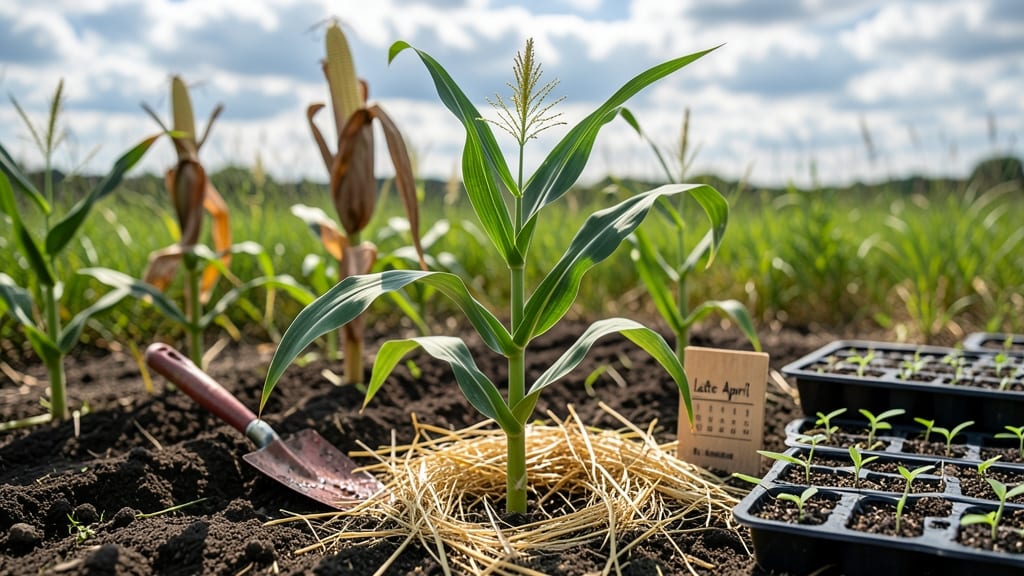
Planting corn in Alabama at the wrong time can mean the difference between a bountiful harvest and wasted effort. With 7b-8b growing zones and unpredictable spring weather, timing is everything for your 🌽 to thrive.
Most gardeners in Alabama wait until mid-April to early May, but soil temperature is the real game-changer. Corn needs warm soil—at least 50°F—to germinate quickly, and cooler pockets can stall growth for weeks.
Whether you're growing sweet corn for summer meals or field corn for livestock, getting this right means faster sprouts, stronger stalks, and bigger ears. I’ll show you how to check soil readiness and adjust for your specific region—because Alabama’s climate varies more than you’d think.
Ready to plant with confidence? Let’s break down the exact steps to ensure your corn gets off to a fast, healthy start—no guesswork required.
Best planting dates for corn in Alabama by region
Alabama’s diverse climate means planting dates for corn vary dramatically from North Alabama’s cooler hills to South Alabama’s subtropical heat. Timing is critical—plant too early, and frost will kill seedlings; too late, and drought or heat stress can ruin yields.
Here’s how to pinpoint the perfect window for your region.
Corn thrives in Alabama’s USDA Zones 7b-8b, but microclimates create 3 distinct planting zones. North Alabama’s average last frost arrives around April 15, while South Alabama rarely sees frost after March 1.
Central Alabama falls in between, with March 20 as the typical benchmark. These differences mean your planting window could shift by 6 weeks depending on location.
For all regions, aim to plant when soil temperatures reach at least 50°F (10°C)—corn won’t germinate below this threshold. Use a soil thermometer to confirm readiness, especially in North Alabama where cooler springs delay planting.
South Alabama gardeners can often start as early as mid-February for early varieties, but most wait until late March to avoid humidity-related diseases.
Here’s how to match your location to the ideal planting window, including frost-free date benchmarks and key adjustments for each region:
North Alabama gardeners should prioritize early-maturing varieties like ‘Silver Queen’ (65 days) to avoid early fall frosts cutting the season short. The Appalachian foothills often see colder microclimates, so add 1-2 weeks to the planting window if you’re in elevated areas.
For example, Chestnut Ridge near Birmingham might need to wait until April 1 even though the city averages March 20 for last frost.
Central Alabama offers the most flexibility, with two ideal planting windows: the primary window of late March to mid-April and a secondary window in early June for fall harvests.
This region can support both sweet corn and field corn, but sweet corn varieties like ‘Peaches and Cream’ (80 days) perform best when planted by April 15. Avoid planting after May 15—summer heat can cause bolting (premature tasseling) and reduce ear quality.
South Alabama’s longer growing season lets you experiment with succession planting. Start with early varieties in February for a May harvest, then plant again in March and April for staggered yields through July.
The key is to finish planting by May 1 to ensure ears mature before hurricane season (June-November) disrupts pollination. Use drought-tolerant varieties like ‘Bodacious’ (95 days) if your area experiences summer dry spells.
Pro tip: If you’re in an urban garden with limited space, opt for bush corn varieties like ‘Ambrosia’ (70 days), which grow in 3-foot squares instead of traditional rows.
These work well in containers or raised beds and can be planted as late as May 10 in South Alabama for a small fall harvest. Just be prepared to hand-pollinate if your garden lacks cross-pollination from neighboring plants.
One common mistake Alabama gardeners make is planting corn too early in hopes of a longer season. Cold soil (below 5
Soil temperature requirements for fast corn germination in Alabama
Corn seeds need the right soil temperature to sprout quickly and avoid rot. In Alabama, soil temps below 50°F can stall germination, while 60°F+ is ideal. If you plant too early, seeds may rot in cold, wet soil—wasting time and resources.
Use a soil thermometer to check depth (1-2 inches down). Most garden centers sell them for under $10. If you don’t have one, feel the soil: warm like a baked potato (around 60°F) means it’s ready. Cold soil feels damp and chilly.
Here’s how to test and prepare your soil for planting:
Use a soil thermometer in the morning (temps are lowest then). Aim for 60-65°F for fast germination.
If soil is below 50°F, cover beds with black plastic for 1-2 weeks to warm it naturally.
Water lightly before planting to help seeds absorb moisture, but avoid soggy soil (which causes rot).
In Alabama, this is typically mid-April to early May in most regions, but adjust for your local frost dates.
Never plant corn in frozen or waterlogged soil—it’ll rot before sprouting. Wait for stable warmth!
Pro tip: If you’re eager to start early, try starter kits or biodegradable pots to transplant seedlings once soil warms. This gives you a head start without risking seed rot.
Once your soil hits the sweet spot, germination happens in 7-14 days. Watch for tiny sprouts and keep the soil moist (but not soggy) until they’re 2 inches tall. With the right temps, your corn will be off to a fast, healthy start! 🌱