
Plants
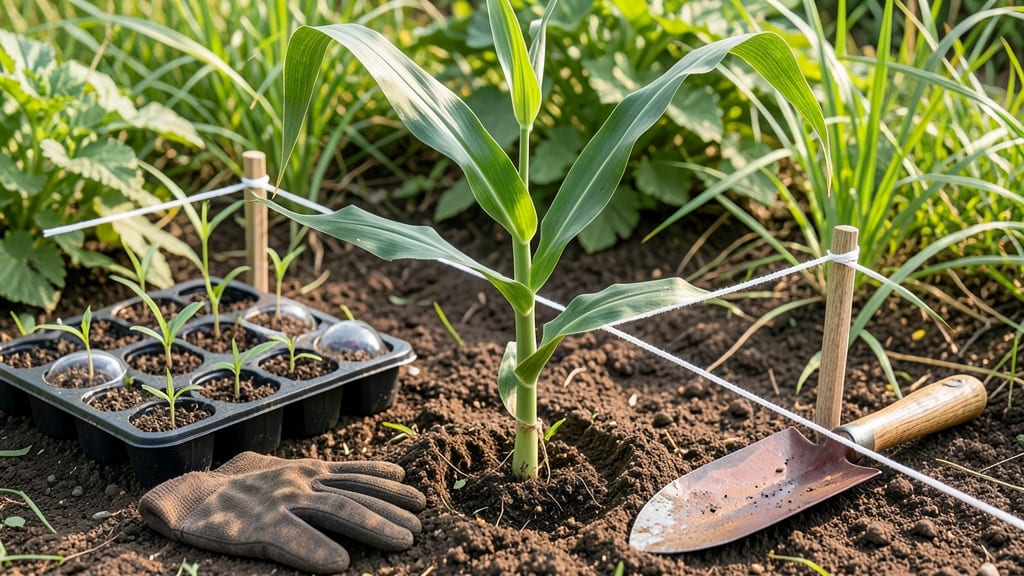
Planting corn in Washington State at the wrong time can mean the difference between a lush 🌽 harvest and a disappointing flop—especially when frost dates vary wildly from Spokane to the Puget Sound.
The secret to success lies in knowing exactly when to get those seeds in the ground, because even a few days too early or late can send your crop bolting before you can say "cornbread."
I’ve learned the hard way that Washington’s climate zones—ranging from 6b in Eastern WA to 8b along the coast—demand different strategies. Whether you’re in the dry interior or the damp Pacific Northwest, timing your planting after the last frost (usually late April to early May) is critical.
But here’s the kicker: soil temperature matters just as much as calendar dates.
In this guide, I’ll break down the exact planting windows for your region, from mid-April in Western WA to early June in cooler zones. You’ll discover how to adjust for microclimates, choose the right varieties, and avoid common mistakes that waste your effort.
Let’s make sure your corn grows tall, sweet, and ready for harvest—no guesswork needed.
Ready to turn your garden into a cornfield? Grab your frost-date calculator, and let’s get those seeds in the ground at the perfect moment. Your future meals will thank you!
Washington State corn planting dates by region (frost-date calculator)
Washington State’s diverse climate means corn planting times vary dramatically between regions—from the Puget Sound’s mild coastal zones to the hotter inland valleys and cooler mountain foothills. Planting too early risks frost damage, while waiting too long can lead to early bolting before harvest.
Let’s break down the ideal planting windows by region, using USDA hardiness zones and average last frost dates to guide you.
In Western Washington (Zones 7b-8b), where spring arrives earlier, you can start planting corn as early as mid-April in sheltered microclimates. The Puget Sound area often sees its last frost by early April, giving you a head start.
Meanwhile, Eastern Washington (Zones 6b-7a) typically waits until late April to early May due to colder nights and later frost dates. Always check your local agricultural extension office for precise frost predictions each year.
Corn thrives with 150-200 frost-free days, so timing is critical. In Zone 8b (Western WA), you can push planting to early June for a late-season harvest, but in Zone 6b (Eastern WA), stick to mid-April to early May to avoid frost.
For high-elevation areas (e.g., Mount Rainier foothills), delay planting until after Memorial Day to ensure soil warmth.
🌽
| Region | USDA Zone | Last Frost Date | Ideal Planting Window | Harvest Window |
|---|---|---|---|---|
| Western WA (Puget Sound) | 7b-8b | Late March–Early April | Mid-April–Early June | Late July–October |
| Western WA (Coastal) | 8a-8b | Early March–Mid-April | Late March–Mid-June | Early August–November |
| Eastern WA (Palouse) | 6b-7a | Late April–Early May | Early May–Mid-June | Late August–October |
| Eastern WA (Yakima Valley) | 7a-7b | Mid-April–Early May | Late April–Early June | Late July–October |
| High Elevation (Cascade Foothills) | 5b-6a | Late May–Early June | Early June–Mid-July | Late September–October |
For direct sowing outdoors (the preferred method for corn), wait until the soil temperature reaches 60°F (15°C) at a depth of 4 inches. Use a soil thermometer to monitor—corn seeds won’t germinate in cold soil.
In cooler regions like Spokane, consider using black plastic mulch or row covers to warm the soil faster and extend the planting window.
If you’re in a transition zone (e.g., Central Washington), opt for early-maturing varieties like ‘Bodacious’ (70 days) or ‘Peaches and Cream’ (75 days) to ensure a harvest before the first frost. These varieties are also disease-resistant, which is crucial in Washington’s humid summers.
Pro tip: Plant corn in blocks or squares (not single rows) to improve pollination. This is especially important in windy coastal areas where pollen dispersal can be inconsistent. Space plants 12-18 inches apart in a 3x3 grid for optimal yields.
🌱
To maximize your corn’s potential, pair planting with soil preparation. Work in compost or aged manure before planting to boost nitrogen levels, and ensure your garden has well-draining soil. In heavy clay soils (common in Eastern WA), raise beds or amend with sand or perlite to prevent waterlogging.
Finally, keep an eye on the 10-day forecast before planting. A sudden
How to adjust corn planting for Washington’s microclimates and soil types
Washington State’s diverse geography means your corn planting schedule should adapt to local conditions—whether you’re in the rainy Puget Sound or the dry Columbia Basin. Microclimates can shift frost dates by weeks, and soil types dramatically affect seedling success.
For example, sandy soils in Eastern WA warm faster in spring, while clay-heavy soils in Western WA stay cooler longer.
I’ve found that elevation plays a huge role too. Gardens at 2,000+ feet in the Cascades may need to wait until mid-May for safe planting, while sea-level areas like Bellingham can start as early as late April.
Always check your local USDA zone—even within 50 miles, planting windows can differ by 2-3 weeks.
Here’s how to fine-tune your approach based on where you garden in Washington:
Cool, wet springs delay soil warming. Use black plastic mulch to raise soil temps by 5-10°F. Plant early-maturing varieties like 'Sweet Success' (65 days) to avoid fall frosts.
Dry, fast-warming soils allow earlier planting. Choose drought-tolerant varieties like 'Golden Bantam' (75 days) and water deeply at night to conserve moisture.
Short seasons require fast-growing varieties (55-65 days) and row covers to extend the season. Plant near south-facing slopes for extra warmth.
Hot, dry summers need shade cloth during pollination. Irrigate with drip systems to prevent ear rot from uneven watering.
Soil preparation is equally critical. Test your soil’s pH (6.0-7.0 ideal) and amend with compost or aged manure before planting. In heavy clay soils, add sand or perlite to improve drainage—corn roots need oxygen to thrive.
I’ve seen gardens with perfect timing fail because of poor soil prep, so don’t skip this step!
For container growing, use large pots (12"+ diameter) with fast-draining mix. These warm up quicker than ground soil, letting you plant 1-2 weeks earlier. Just be ready to move pots indoors if an unexpected frost hits. My urban gardeners in Seattle swear by this method for reliable harvests.