
Plants
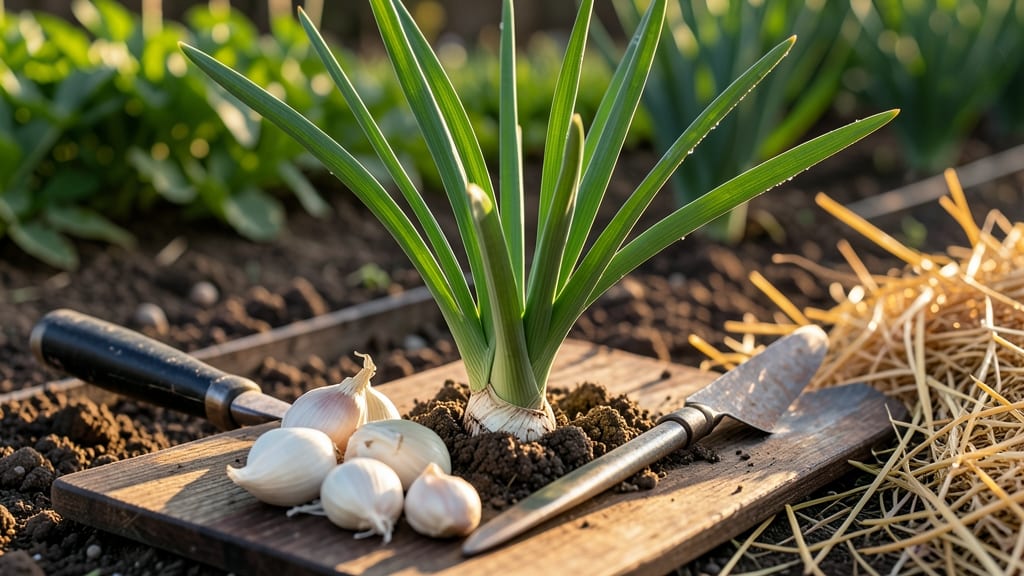
Planting garlic in Zone 5 4-6 weeks before frost is the secret to growing plump, flavorful bulbs that make your kitchen the envy of the neighborhood.
If you’ve ever struggled with small, weak garlic or wondered why your harvests never live up to expectations, timing is the key factor you’ve been missing.
Unlike many plants, garlic thrives when planted in fall—specifically between October and November—so it establishes roots before winter’s chill sets in.
This isn’t just a suggestion; it’s a science-backed strategy that ensures your 🧄 grows strong enough to survive Zone 5’s harsh winters and deliver a bountiful harvest by late summer.
But here’s the catch: getting the timing wrong can mean the difference between robust bulbs and disappointing results. Whether you’re a beginner or a seasoned gardener, I’ll walk you through the exact weeks to plant, how to prep your soil, and what to watch for to guarantee success—no guesswork required.
Let’s dive into the perfect planting schedule for Zone 5, so you can enjoy garlic that’s not just edible, but extraordinary.

Optimal planting windows for garlic in Zone 5: exact weeks before frost
Garlic thrives in Zone 5 when planted at the right time—4 to 6 weeks before the first hard frost—giving it enough cold exposure to form strong bulbs.
Most gardeners in this zone plant in late October or early November, but timing varies slightly for hardneck and softneck varieties. Missing this window can lead to weak growth or poor bulb development.
Zone 5’s average last frost date falls between mid-October and early November, depending on your exact location.
For example, gardeners in western Zone 5 (like Nebraska) can plant as late as November 1, while those in eastern Zone 5 (like New York) should aim for October 20-30 to avoid early freezes.
Here’s the key: Hardneck garlic (like Music or German White) needs 6-8 weeks of cold to form scapes and bulbs, while softneck garlic (like Silverskin) tolerates slightly shorter cold periods. Adjust your schedule based on your variety’s needs.
If you miss the fall window, don’t panic—you can still plant garlic in early spring (March). However, spring-planted garlic may not develop as large bulbs or produce scapes, as it lacks the cold stratification needed for full flavor and size.
Pro tip: Use a soil thermometer to confirm soil temps are below 50°F (10°C) before planting. Garlic cloves planted in warm soil may rot or sprout too quickly, weakening bulb formation.
🌱
| Planting Window | Best Months | Weeks Before Frost | Variety Notes |
|---|---|---|---|
| Fall Planting | October–November | 4–6 weeks | Hardneck: 6+ weeks cold Softneck: 4–5 weeks cold |
| Spring Planting | Early March | N/A (plant as soon as soil is workable) | Smaller bulbs; no scapes |
| Late Planting Risk | After November 15 | Too close to frost | Cloves may rot or sprout weakly |
For gardeners in Zone 5’s northern edge (like Minnesota or Wisconsin), aim for October 15–25 to account for earlier freezes. In southern Zone 5 (like Missouri or Virginia), you can push planting to November 1–10 without risking frost damage.
Another pro move: Plant garlic in raised beds if your native soil drains poorly. Cold, soggy soil can cause cloves to rot before they establish roots. Amend beds with compost or aged manure to improve drainage and fertility.
If you’re unsure about your local frost date, check the USDA Plant Hardiness Zone Map or use a frost calendar for your specific city.
For example, Chicago (Zone 5b) typically has its first frost around October 20, while Denver (Zone 5a) may see frost as early as October 5.
Finally, mark your calendar for late July or early August—this is when your garlic will be ready to harvest! Proper planting timing now ensures you’ll enjoy plump, flavorful bulbs come summer.
✂️
Optimal planting windows for garlic in Zone 5: exact weeks before frost
In Zone 5, the ideal planting window for garlic is between 4-6 weeks before the first frost, typically landing in mid-October to early November. This timing allows cloves to establish roots before winter dormancy, setting the stage for strong bulb development.
For most of Zone 5, this translates to planting between October 15th and November 10th, depending on your exact location’s frost date.
Garlic planted at this time benefits from cold stratification, a natural process where cool temperatures trigger root growth while keeping tops dormant.
This is especially critical for hardneck varieties, which thrive in colder climates like Zone 5. Softneck varieties can also be planted in fall but often perform better when sown in early spring (March) if fall planting is missed.
Here’s the breakdown you need: Planting too early (before October 1st) risks excessive top growth, while planting too late (after November 15th) may result in weak roots before winter. Aim for that 4-6 week window before the ground freezes—this is non-negotiable for bulb success.
| Planting Window | Zone 5 Timing | Varieties | Soil Temp |
|---|---|---|---|
| Fall Planting | Mid-October to November 10 | Hardneck (best), Softneck | 40-50°F (4-10°C) |
| Early Spring Planting | March 1-15 | Softneck (best), Hardneck | 50-60°F (10-15°C) |
| Last-Minute Planting | December (if soil unfrozen) | Hardneck only | Above freezing |
*Adjust dates based on your local frost date—check Almanac’s Frost Calculator for precision.
For Zone 5’s northern edge (e.g., northern New York, Wisconsin), push planting to late October to avoid early freezes. In southern Zone 5 (e.g., Missouri, Virginia), you can plant as early as mid-September without risking overgrowth.
Always test soil temperature with a soil thermometer—aim for 40-50°F (4-10°C) at planting time.
Pro tip: Use hardneck varieties like ‘German Red’ or ‘Music’ for Zone 5—they handle cold better and produce larger bulbs with flavorful scapes. If you’re unsure about your first frost date, err on the later side of the window.
Garlic planted in early November still has time to root before winter, while earlier plantings might bolt prematurely.
Remember, garlic planted in fall will harvest in late July or August—just as your kitchen needs it most. Mark your calendar now, and you’ll never second-guess your planting timing again. 🌱