
Plants
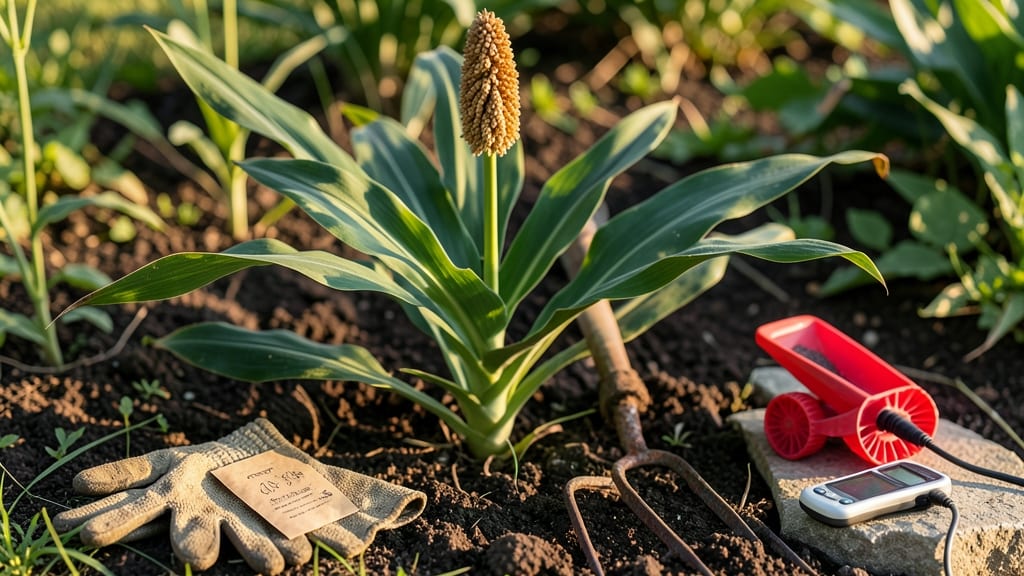
Planting brown top millet 🌾 for doves in Mississippi isn't just about timing—it's about creating a year-round buffet that keeps these birds thriving. If you've ever wondered why some gardens attract doves like magnets while others get overlooked, the answer lies in when you put those seeds in the ground.
Mississippi's warm climate gives you a 6-week window to plant brown top millet, but getting it right means avoiding late frosts in the north or summer droughts in the south.
The key is starting after your last frost date—typically around April 15 in Zone 7b or March 15 in Zone 9a—when soil temperatures hit 60°F for consistent germination.
Here's what you'll discover: how to sync your planting with dove migration patterns, adjust for Mississippi's unpredictable rainfall, and extend foraging opportunities through staggered plantings. Whether you're a backyard birdwatcher or a wildlife enthusiast, these simple adjustments will transform your garden into a dove hotspot.
Let's break down the exact steps to make your brown top millet grow lush and ready for doves by late summer—when they're most active. You'll learn which mistakes to avoid and how to turn your Mississippi property into a year-round haven for these beautiful birds.
Optimal planting months for brown top millet in Mississippi’s climate zones
Mississippi’s diverse climate zones—from Zone 7b in the north to Zone 9a in the south—create unique planting windows for brown top millet. In northern MS, where last frost typically hits mid-March, aim to plant by mid-April to avoid late-season frosts that can stunt young seedlings.
Southern regions enjoy a longer growing season, allowing planting as late as early June without risking frost damage.
The key is soil temperature, which should reach at least 60°F (15°C) for germination. Use a soil thermometer to confirm—this usually aligns with late April to early May across most of the state.
For peak dove foraging, prioritize late May to early June plantings, as this synchronizes with dove migration patterns and summer heat.
| Zone | Last Frost Date | Ideal Planting Window | Dove Foraging Peak |
|---|---|---|---|
| 7b (North MS) | Mid-March | Mid-April to early May | June–July |
| 8a (Central MS) | Late February | Early April to late May | May–August |
| 9a (South MS) | Mid-February | Late March to early June | April–September |
For extended dove feeding, consider staggered plantings every 3–4 weeks between April and June. This ensures a continuous supply of ripe seed heads from late summer through fall, when doves rely heavily on natural food sources.
In Zone 9a, you can even plant a second crop in late July for a fall harvest before the first frost.
Mississippi’s humid summers can accelerate growth, so monitor your plants closely. If you notice rapid wilting or yellowing leaves in July or August, it may signal heat stress or fungal issues.
Adjust watering to deep soaks every 5–7 days rather than frequent light watering, which can promote root rot in the sticky MS soil.
Pro tip: Test your soil pH before planting—brown top millet thrives in slightly acidic to neutral soil (6.0–7.0). If your soil is too alkaline, amend with peat moss or sulfur to create ideal conditions. This small step can double your success rate in Mississippi’s challenging clay-heavy soils.
In northern MS, where summers are shorter, focus on high-quality seed from reputable suppliers like Southern States or Johnny’s Selected Seeds. These varieties are bred to mature faster and resist common MS pests like armyworms or grasshoppers.
For southern regions, opt for heat-tolerant varieties that can withstand 90°F+ temperatures without bolting prematurely.
Remember: Doves prefer mature seed heads, so aim for harvest-ready plants by August. If you plant too late, your millet may bolt before reaching full maturity, leaving doves with less nutritious forage. Use a planting calendar to track your progress and adjust as needed.
Finally, mark your calendar for first frost dates (typically mid-November in northern MS and early December in southern MS). While brown top millet is annual, its seed heads persist through winter, offering critical food for doves during harsh Mississippi winters.
🌾How to adjust planting for Mississippi’s rainfall patterns and dove behavior
Mississippi’s unpredictable rainfall can make or break your brown top millet 🌾—especially when doves rely on it for food. Too much rain early on can drown seeds, while drought later in the season stunts growth.
The key is staggered planting to ensure a steady supply of seeds for doves throughout their active months.
Doves in Mississippi are most active from April to October, with peak foraging in late summer (August–September). To align your planting with this cycle, start your first batch in mid-April (after last frost) and follow with 3–4 week intervals until early June.
This ensures fresh growth when doves need it most.
Here’s how to adapt: If your area gets heavy spring rains (common in northern MS), delay planting until soil dries out—wait for 3–4 consecutive dry days. In drier southern regions, pre-soak seeds before planting to jumpstart germination during hot, dry spells.
Plant in 3 batches: April 15, May 1, and May 15 to extend dove foraging through September.
Skip planting if 1+ inches of rain is forecasted in 48 hours—seeds need consistent soil contact.
Mulch with straw or leaves to retain moisture during dry spells (critical in July–August).
Plant late batches in June to coincide with fall dove migration (September–October).
Leave 20–30% of seed heads unharvested to ensure doves always have fresh food.
Mississippi’s humid summers can also bring fungal risks like powdery mildew. Space plants 12–18 inches apart for airflow and water at soil level (not overhead) to keep leaves dry. This small adjustment prevents disease while keeping your millet lush for doves.
Pro tip: Monitor dove activity closely. If you notice doves pecking at empty patches by late summer, it’s time to plant a final batch in early July to replenish their food source. Doves are opportunistic feeders—they’ll reward you with daily visits if you keep the seeds coming!
By syncing your planting with Mississippi’s rainfall patterns and dove behavior, you’ll create a self-sustaining food source that attracts doves year-round. The result? A garden that’s not just beautiful, but a dove magnet from spring through fall. 🌾