
Plants
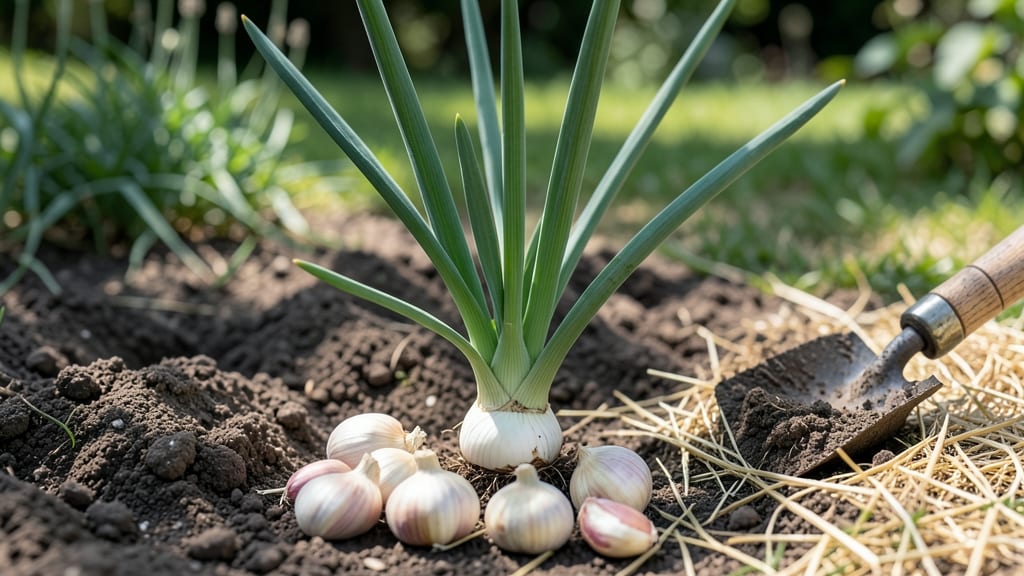
Timing your garlic planting in Zone 7 could mean the difference between a bountiful harvest of plump bulbs and a disappointing—or even failed—crop. Unlike many plants, garlic thrives when planted in fall, but getting the window just right is everything.
Most gardeners in Zone 7 focus on October and November as the prime months, but there’s more to it than simply picking a date. Hardneck varieties, the most popular choice for this zone, need 400–600 chill hours below 40°F to form proper bulbs.
Plant too early, and you risk rot; too late, and the garlic won’t develop fully before summer. Let’s break down the exact strategy to nail your planting schedule.
You’ll also discover how to prep your soil for maximum growth, avoid common mistakes that sabotage harvests, and decide whether hardneck or softneck garlic suits your goals. With the right approach, you’ll be harvesting flavorful, robust bulbs by next June—no guesswork required.
Ready to grow garlic that rivals the best at the farmers' market? Let’s get started with the perfect Zone 7 planting timeline and the secrets to a thriving crop.

Zone 7 garlic planting dates: chill-hour requirements by variety
In Zone 7, planting garlic at the right time ensures your bulbs get the 400–600 chill hours they need to develop properly. Hardneck varieties—like Rocky Mountain or Chetwick—thrive with 30–40°F temperatures for 6–8 weeks.
Softnecks, like Artichoke, tolerate fewer chill hours but struggle with Zone 7’s winter extremes.
Zone 7’s last frost date (around November 15) marks the cutoff for fall planting. Aim to plant 4–6 weeks before the ground freezes—typically mid-October to early November. This gives garlic time to establish roots before winter dormancy begins.
Spring planting is riskier in Zone 7 because bulbs won’t have enough time to mature before summer heat. If you must plant in spring, do so by early March for a smaller harvest of green garlic or scapes.
Chill hours are the key to bulb size. Too few (300 hours) = stunted growth. Too many (800+ hours) can cause rot. Zone 7’s climate—with its mild winters—often falls short, so hardneck varieties are your best bet.
| Variety | Chill Hours Needed | Best Planting Window (Zone 7) | Notes |
|---|---|---|---|
| Hardneck (e.g., Rocky Mountain) | 400–600 | Mid-October to early November | Best for bulb size; needs winter chill. |
| Hardneck (e.g., German White) | 400–500 | Late October to mid-November | Tolerates shorter chill; good for late planting. |
| Softneck (e.g., Artichoke) | 200–300 | Early November to December | Smaller bulbs; store longer but risk rot in Zone 7 winters. |
Use a soil thermometer to track temperatures. Plant when soil is 50–60°F—cool enough to prevent sprouting but warm enough for root growth. In Zone 7, this usually aligns with late October.
If your winter is warmer than average, opt for early-maturing varieties like Silverskin or plant in early October to avoid missing the chill window. Monitor local weather forecasts for unseasonable warmth that could disrupt dormancy.
Zone 7 gardeners often double-check chill hours using online calculators or local agricultural extensions. For example, Atlanta (Zone 7b) typically hits 500 chill hours, while Raleigh (Zone 7a) may only reach 400 hours. Adjust planting dates accordingly.
Pro tip: Plant garlic cloves with the root end down and 2 inches deep. Space them 4–6 inches apart in rows 12 inches apart to allow airflow and reduce disease risk. Mulch with straw or leaves after planting to insulate bulbs during winter fluctuations.
Remember, hardneck garlic is your best bet for Zone 7. These varieties produce scape shoots (edible stems) in spring and larger bulbs with more cloves—perfect for braiding and long-term storage. Softnecks, while storable, often yield smaller bulbs in Zone 7’s climate.
Zone 7 garlic planting dates: chill-hour requirements by variety
In Zone 7, timing your garlic planting hinges on chill-hour requirements. Hardneck varieties—the best choice for this zone—need 400–600 hours below 40°F to form proper bulbs. If you plant too early, cloves may rot; too late, and they won’t mature fully.
The ideal window is 4–6 weeks before the ground freezes, typically mid-October to early November in most of Zone 7.
Softneck varieties, while easier to store, struggle with Zone 7’s chill hours and often produce smaller bulbs. Stick with hardnecks like ‘Music’ or ‘German White’, which thrive in your climate.
For precise timing, track your local frost dates—plant when soil temps drop to 50–60°F but before hard frosts set in.
🌱 Zone 7 Garlic Planting Guide
| Variety | Chill Hours Needed | Best Planting Window | Harvest Time |
|---|---|---|---|
| Hardneck (e.g., 'Music') | 400–600 hours | Mid-October to early November | June–July (next year) |
| Softneck (e.g., 'Silverskin') | 200–300 hours | Late October–December (risky) | July–August (smaller bulbs) |
| Spring-Planted (Emergency) | N/A (less ideal) | February–March | August–September (smaller) |
If your Zone 7 area experiences early frosts, shift planting to late September for hardneck varieties. Use a soil thermometer to confirm temps are 50–60°F—this ensures cloves root before winter sets in. For late fall plantings, aim for early December at the latest, but expect smaller bulbs.
Spring planting in Zone 7 is possible but not recommended for hardneck garlic. If you must, plant in February–March for a late-summer harvest, but bulbs will be smaller and less flavorful. Reserve this method for emergency situations or softneck varieties.
Pro tip: Mulch with straw or leaves after planting to insulate cloves from freeze-thaw cycles, which can heave them out of the soil. This simple step boosts survival rates and bulb size.
Zone 7 gardeners often wonder if organic garlic requires different timing. The answer? No—organic or conventional, the chill-hour rule applies. Focus on soil health (compost-rich beds) and proper spacing (4–6 inches apart) for best results.