
Companion Plants
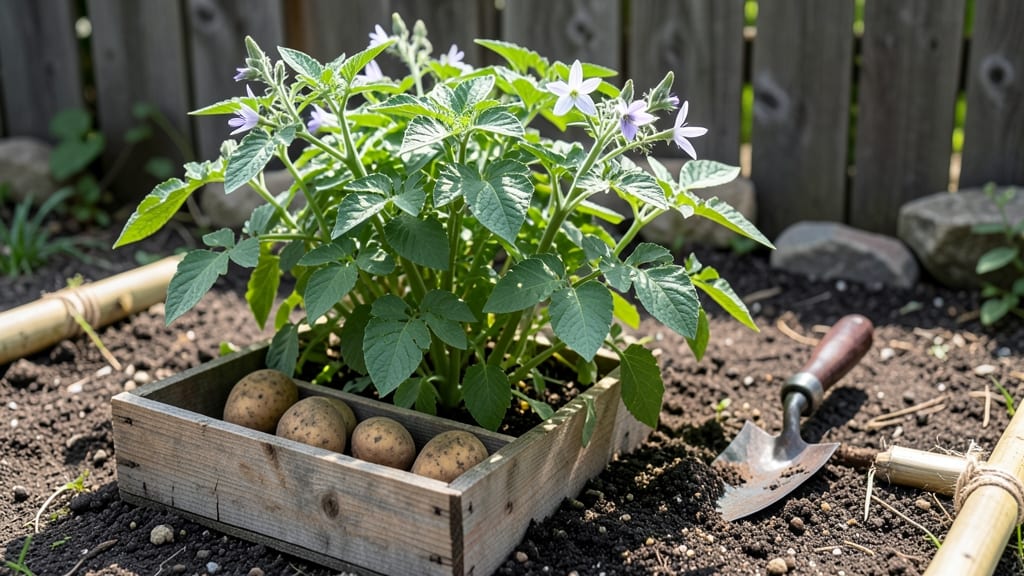
Planting potatoes at the wrong time in Pennsylvania can turn your hard work into bitter, inedible tubers—or worse, a total loss. But here’s the secret: timing isn’t just about the calendar—it’s about understanding your local frost dates, soil temps, and even the folklore around St. Patrick’s Day (yes, it matters!).
In USDA Zones 5b-7a, where last frosts linger until mid-April, your window to plant 🥔 for zero-bolt harvests (no flowering, no waste) is tighter than you think. Skip the guesswork and learn exactly when to plant—whether you’re chitting seed potatoes indoors or planting them directly in cold soil.
We’ll break down the best spring planting dates by region (Southern, Central, Northern PA) and reveal why some gardeners swear by fall planting for early harvests. Spoiler: It’s not just about avoiding bolting—it’s about working with Pennsylvania’s unpredictable climate.
Ready to grow potatoes that actually taste good? Let’s dive into the exact timing that’ll give you the harvest of your dreams—without the disappointment.
Best Pennsylvania spring planting dates for zero-bolt potatoes
Timing is everything when planting potatoes in Pennsylvania. The goal is to avoid bolting—when potatoes flower and produce bitter tubers—while ensuring soil temperatures are ideal for sprouting.
In PA’s USDA Zones 5b-7a, the best window for spring planting depends on your region, but generally falls between late March and mid-April.
Bolting occurs when potatoes experience cold snaps followed by warm spells, triggering premature flowering. To prevent this, plant when soil temperatures reach 45°F (7°C), but before daytime highs consistently exceed 70°F (21°C).
This balance is critical for zero-bolt potatoes, which are prized for their tender, non-flowering growth.
Pennsylvania’s diverse climate means planting dates vary by region. Southern PA (e.g., Philadelphia, Lancaster) can start as early as late February for early varieties, while Northern PA (e.g., Erie, Scranton) may wait until mid-April to avoid frost damage.
Always check your local last frost date—a general rule is to plant 2-4 weeks before the last frost.
Pro Tip: If you’re unsure about your exact frost date, use a cold frame or row cover to protect early plantings. These tools can extend your planting window by 2-3 weeks, giving you a head start on the season.
🌱
For zero-bolt potatoes, choose early-maturing varieties (60-90 days to harvest) to avoid bolting entirely. If you plant too late, even heat-loving varieties like Yukon Gold may bolt prematurely. To mitigate this risk, opt for cold-hardy varieties like Kennebec or Red Pontiac, which tolerate cooler soils better.
Another trick to prevent bolting is to chit your seed potatoes indoors 4-6 weeks before planting. Place them in a bright, cool spot (around 50°F (10°C)) with the rose end up. This encourages sprout growth before soil conditions are ideal, giving you a jumpstart on the season.
If you’re planting in containers or raised beds, warm the soil faster by covering it with black plastic mulch a week before planting. This raises soil temperatures by 5-10°F, helping to avoid bolting in early spring when temperatures fluctuate wildly.
Finally, monitor your plants closely after emergence. If you notice flower buds forming, harvest immediately—even if the tubers are small. These early harvests won’t be as large, but they’ll be bolt-free and delicious.
In Pennsylvania’s climate, this strategy often yields a second harvest later in the season when conditions stabilize.
✂️
Fall planting potatoes in PA: the secret to early harvests without bolting
Did you know fall-planted potatoes can give you a jump-start harvest the following summer? In Pennsylvania’s climate, planting in late summer or early fall lets you beat spring bolting and enjoy earlier tubers without competing with weeds or pests.
The key? Timing it 6-8 weeks before your first frost—typically between August 15 and September 15.
This method works because potatoes grow slowly in cool soil, avoiding the flowering trigger that makes tubers bitter. Cold-hardy varieties like Yukon Gold or Kennebec thrive when planted in 50-60°F soil, which is perfect for fall’s crisp air.
Plus, you skip spring’s rush and get a harvest window 2-3 weeks earlier than traditional planting.
⚠️ CRITICAL: Fall planting requires well-draining soil—Pennsylvania’s heavy clay can cause rot. Amend beds with compost or sand before planting, and choose a sunny, elevated spot to prevent waterlogging.
🥔 Spring vs. Fall Planting: Harvest Window Comparison
| Factor | Spring Planting | Fall Planting |
|---|---|---|
| Planting Window | March 15–April 15 | August 15–September 15 |
| Soil Temp Needed | 45–50°F (min) | 50–60°F (ideal) |
| Harvest Window | July–August | Early June–July |
| Bolting Risk | High (if planted too early) | Low (cool temps prevent flowering) |
| Storage Needs | Cool, dark place (60°F) | Immediate harvest or short-term storage |
*Timing varies by PA region—adjust for your last frost date.
For fall planting, chit your seed potatoes (sprout indoors) 4–6 weeks before planting to give them a head start. Use black plastic mulch to warm the soil faster, and cover young plants with row covers if frost threatens.
Varieties like Red LaSoda or Adirondack Blue are cold-tolerant and perfect for this method.
One downside? Fall potatoes need consistent moisture—Pennsylvania’s dry autumns can stress plants. Water deeply once a week (more if rain is scarce) and mulch with straw or leaves to retain soil warmth. Harvest when foliage yellows, but don’t wait too long—tubers left in the ground past frost can spoil.
Pro tip: Pair fall potatoes with garlic or onions to deter pests like Colorado potato beetles. By next summer, you’ll have homegrown spuds while your neighbors are still waiting for spring plantings!