
Plants
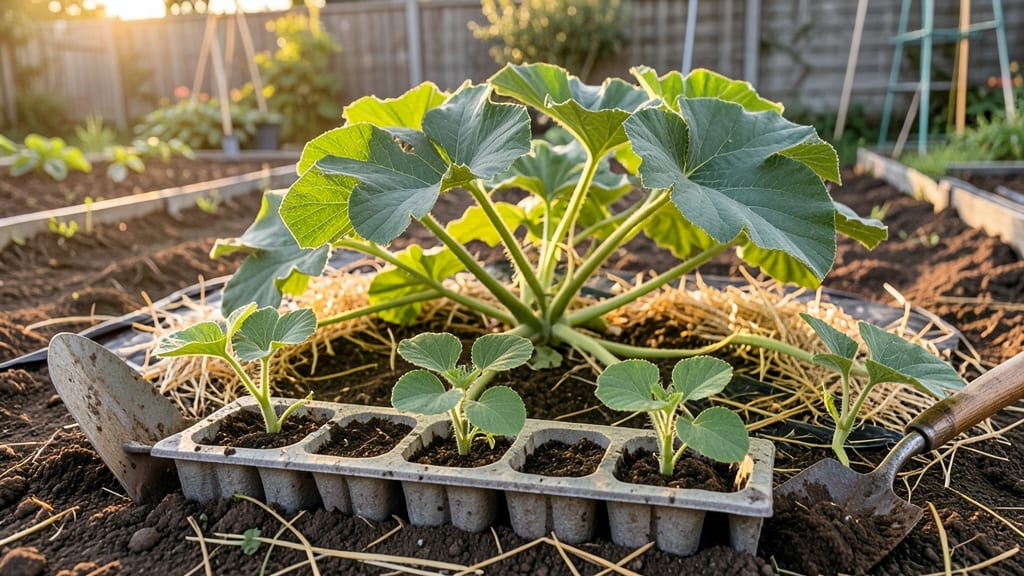
Planting pumpkins in Utah isn’t just about tossing seeds into the dirt—it’s about timing them perfectly to avoid frost damage and maximize your harvest.
With Utah’s diverse climate zones, from the high deserts of Cache Valley to the cooler mountain regions, knowing when to plant your 🎃 can mean the difference between a thriving vine and a failed crop.
Most Utah gardeners wait until mid-April to early June, after the last frost date, but that window shifts depending on your elevation and microclimate.
In zones 5b-7b, soil temperatures need to reach a steady 60-90°F for seeds to germinate properly—something that can vary dramatically between Salt Lake City and St. George.
If you’re eager to get a head start, early varieties like ‘Howden’ can be planted as soon as the soil is workable, while longer-season types may need a jump start in containers.
The key is balancing warmth, moisture, and daylight to ensure your pumpkins thrive before the first frost hits in late October.
I’ll break down the exact planting schedule for your zone, plus tips for extending the season so you can enjoy homegrown pumpkins from harvest through Thanksgiving. Let’s make sure your garden grows the biggest, healthiest 🎃 Utah has to offer.
Utah pumpkin planting calendar by USDA hardiness zones (5-7)
Utah’s USDA hardiness zones 5b-7b create a patchwork of planting opportunities, but timing is critical. Most Utahans fall in zones 5-7, where last frost dates range from mid-April in St. George to late May in Park City.
For pumpkins, this means your window to plant is tight—typically mid-April to early June—but soil temperature matters more than the calendar.
Pumpkin seeds need soil temperatures of 60-90°F to germinate properly. In Utah’s high-desert valleys, like Cache Valley or Provo, soil warms quickly by late April, while mountain regions (e.g., Ogden’s foothills) may need to wait until early May.
Always check soil temps with a soil thermometer or wait until nighttime temps stay above 50°F.
Here’s your zone-specific planting guide, including frost-free deadlines and ideal transplant windows for Utah’s most common pumpkin-growing areas:
| USDA Zone | Last Frost Date | Ideal Planting Window | Soil Temp Requirement | Notes |
|---|---|---|---|---|
| Zone 5b (Park City, Logan) | Late May | Early June (transplant) or late May (direct sow) | 65-75°F | Use row covers for earlier starts. |
| Zone 6a (Ogden, Salt Lake City) | Mid-April | Mid-April to early May (direct sow) | 60-70°F | Best for summer varieties (e.g., ‘Jack Be Little’). |
| Zone 7a (Provo, Spanish Fork) | Early April | Early April to late April (direct sow) | 60-80°F | Longer growing season; try winter squash too. |
| Zone 7b (St. George, Cedar City) | Mid-March | March to early April (direct sow) | 70-90°F | Hot climate; shade cloth helps in summer. |
If you’re in Zone 5b (like Park City), aim for early June transplants or use biodegradable pots to harden off seedlings indoors. In Zone 7b (St. George), you can plant as early as March, but watch for bolting in extreme heat.
For most Utahans in Zones 6a-7a, mid-April to early May is your sweet spot.
Pro tip: Use black plastic mulch to warm soil faster in cooler zones. This can shave 1-2 weeks off your planting timeline by raising soil temps by 5-10°F. Just be sure to remove it after harvest to avoid soil-borne diseases next year.
For direct sowing (planting seeds outdoors), Utah’s alkaline soils benefit from compost amendments. Mix in 2-3 inches of compost or well-rotted manure to improve drainage and fertility.
Pumpkin vines are heavy feeders, so don’t skimp—aim for 10-10-10 fertilizer at planting and again when vines hit 12 inches tall.
Remember: Utah’s first frost typically hits mid-October, giving you 120-180 frost-free days. Choose varieties with 80-100 day maturity for high-altitude areas and 100-120 day for lower elevations. If you’re pushing the envelope, opt for compact varieties like ‘Jack Be Little’ or ‘Waltham Butternut’ to maximize space.
🌱
How to adjust pumpkin planting for Utah’s microclimates and altitude
Utah’s dramatic elevation changes—from the high deserts of St. George (Zone 7b) to the cool mountain valleys of Park City (Zone 5b)—mean a one-size-fits-all planting schedule won’t work. At higher elevations, frost lingers later into spring, while lowland areas can experience heatwaves by early June.
Adjusting your planting strategy based on your specific microclimate is key to avoiding frost damage or overheating.
For example, in Salt Lake City (Zone 6a), where last frost averages April 15, you can safely plant pumpkin seeds outdoors by mid-April if soil temps stay above 60°F.
But in Logan (Zone 5b), wait until late May to avoid late-spring frosts. Meanwhile, in St. George (Zone 7b), you might start as early as March 15 for early varieties.
Here’s how to adapt your approach based on your location:
⚠️ Common Mistakes to Avoid in Utah
- Planting too early in cold zones (e.g., Cache Valley) without protection → seed rot from damp soil.
- Ignoring altitude → Higher elevations (e.g., Park City) need later planting dates and shorter-season varieties.
- Skipping soil warming in early spring → Seeds won’t germinate until soil hits 60-90°F.
- Overcrowding vines in containers → Pumpkins need 10-20 ft of space to thrive.
For high-altitude gardeners, consider using black plastic mulch or row covers to warm the soil faster. In cooler areas like Ogden or Provo, opt for fast-maturing varieties (75-90 days) like ‘Jack Be Little’ or ‘Small Sugar.’
These compact pumpkins can be harvested before the first frost, even in shorter seasons.
If you’re in a low-elevation desert area (e.g., St. George), focus on shade cloth during summer to prevent sunscald on pumpkins. Here, longer-season varieties (100-120 days) like ‘Cinderella’ or ‘Giant Canadian’ thrive with consistent watering. Just be prepared to harvest by late October before temperatures drop.
Pro tip: Use a soil thermometer to confirm temps before planting—seeds won’t sprout below 60°F, even if frost risk is low. For extra insurance, start seeds indoors 4-6 weeks before your last frost date and transplant after soil warms.
This gives vines a head start in cooler climates like Logan or Heber.