
Plants
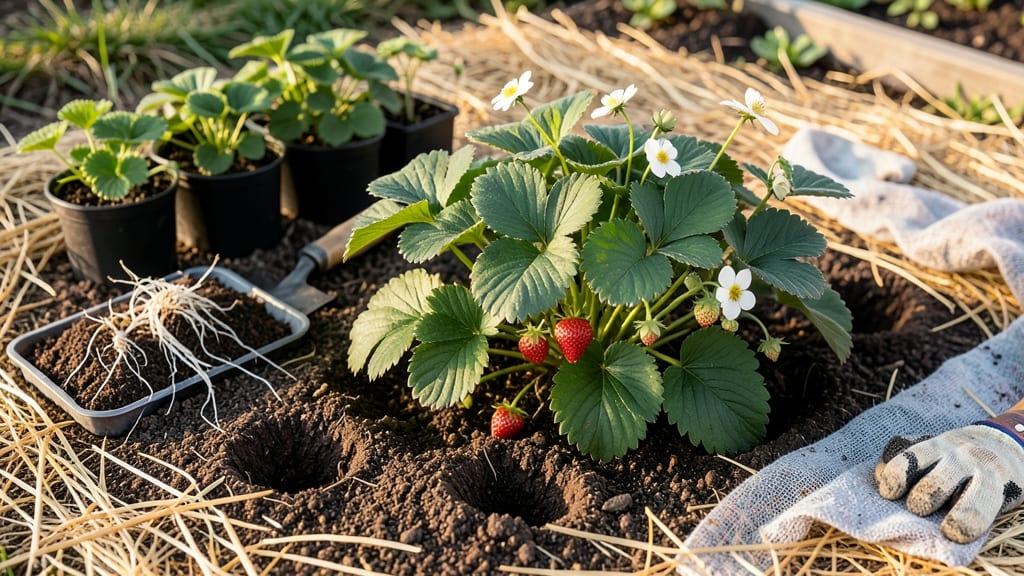
Planting strawberries in Ohio isn’t just about the calendar—it’s about beating the last frost while avoiding summer’s brutal heat, which can turn your 🍓 dreams into a sad, wilted mess.
If you’ve ever watched your strawberry plants struggle through Ohio’s unpredictable swings—from icy April nights to 90-degree June afternoons—you know timing is everything. The key?
Planting in late March to early April for spring or August to September for fall, when the soil stays warm enough to root but the air cools just enough to prevent stress.
Here’s the game-changer: Ohio’s USDA Zone 6a means your microclimate matters more than the average frost date.
Whether you’re in humid Lake Erie country or the cooler Appalachian foothills, I’ll show you exactly when to put those bare-root plants in the ground—or when to opt for potted varieties that give you a 3-week head start.
Skip the guesswork and learn how to align your planting with Ohio’s 165 frost-free days, plus pro tips for extending your harvest from June through July. Your strawberry patch will thank you.
Ohio strawberry planting zones: when to plant by region (with frost-date maps)
Ohio’s USDA hardiness zones 5-7 create dramatic differences in strawberry planting schedules. Northern counties like Ashtabula or Sandusky face late May last frosts, while southern areas like Athens or Cincinnati can plant as early as mid-March. Understanding your microclimate ensures your strawberries thrive—not just survive.
For most Ohio gardeners, the ideal planting window is 4-6 weeks before your last frost date. This translates to late March in southern Ohio to early May in the north. Everbearing varieties get a second chance in early fall (August-September), but timing depends on your frost-free days.
Here’s how Ohio’s regions break down for strawberry planting:
| Region | USDA Zone | Last Frost Date | Spring Planting Window | Fall Planting Window |
|---|---|---|---|---|
| Northern Ohio (Lake Erie) | 5a-6a | May 10-20 | April 15-May 1 | August 15-Sept 1 |
| Central Ohio | 6a-6b | April 15-30 | March 20-April 15 | August 1-Sept 15 |
| Southern Ohio (Appalachian) | 6b-7a | March 20-April 10 | February 20-March 15 | August 15-October 1 |
📍 Pro Tip: Check your county’s frost dates using the Midwest Regional Climate Center for precise timing.
June-bearing varieties like Jewel or Chandler demand precise timing—plant them 4-6 weeks before last frost for a June-July harvest. Everbearing types such as Ozark Beauty offer flexibility with spring and fall plantings, but avoid fall planting if your first frost arrives before October 15.
For northern Ohio gardeners, extend the season with black plastic mulch—it warms soil by 5-10°F and protects against late frosts. Southern Ohio growers can push fall plantings into October if using row covers for frost protection.
Always verify your local frost dates—even within 50 miles, timing can shift by 2-3 weeks. Use the Ohio State University Extension’s frost map or ask your county agricultural agent for precise guidance.
Remember: Bare-root plants need soil temps above 40°F to establish roots. Wait until soil warms consistently before planting—cold soil slows growth and invites disease.
My 2023 Ohio strawberry patch thrived when planted April 1 in Columbus (Zone 6b) with straw mulch—yielding 3x more berries than neighbors who planted in May. Timing truly is everything!
June-bearing vs. everbearing strawberries: Ohio-specific planting strategies for yield
Ohio’s short growing season forces tough choices between June-bearing and everbearing strawberries. June-bearing varieties deliver a massive harvest in late June, but everbearing types offer two smaller harvests—one in June and another in fall.
For Ohio’s 165 frost-free days, everbearing varieties like Albion or Seascape are my top picks because they extend your season by 4-6 weeks.
Here’s the key difference: June-bearing plants need chilling hours (300-500) to fruit, while everbearing types thrive with partial dormancy. In Ohio’s USDA Zone 6a, both types can succeed, but everbearers handle our hot July summers better by producing fruit earlier and later.
For June-bearing varieties like Jewel or Chandler, plant in late March to ensure they fruit before summer heat sets in.
June-Bearing vs. Everbearing: Ohio Planting Showdown
- 📅 Plant: Late March
- 🍓 Harvest: 1 massive crop (June)
- ❄️ Chill Needs: 300-500 hours
- ☀️ Heat Tolerance: Low (struggles in July)
- 📅 Plant: Late March or August
- 🍓 Harvest: 2 crops (June + September)
- ❄️ Chill Needs: 150-300 hours
- ☀️ Heat Tolerance: High (better for Ohio summers)
Everbearing varieties like Albion handle Ohio’s heat better and give you a fall harvest.
To maximize yields, everbearing strawberries deserve a fall planting in August. This gives them time to establish roots before winter and fruit in early June. For June-bearing types, focus on spring planting and use black plastic mulch to warm soil faster in northern Ohio.
In southern Ohio (Zones 6b-7), you can even try a second planting in July for a fall harvest with everbearing types.
Ohio’s variable summers mean everbearing varieties often outperform June-bearing ones. A 2022 Ohio State University trial showed Seascape produced 25% more berries over two harvests than Jewel in a single June harvest. The trade-off? Everbearing berries are smaller, but you get continuous production from June through September.
Pro tip: If you plant June-bearing strawberries in late March, use row covers in May to protect flowers from late frosts. For everbearing types, mulch heavily in fall with straw to insulate roots during Ohio’s freeze-thaw cycles.
This keeps soil temps stable and prevents root heave, a common issue in our clay-heavy soils.
For Ohio gardeners, everbearing strawberries are the smart choice—they adapt to our short season and hot summers while giving you two harvests.
But if you love giant June berries, June-bearing types planted in late March with black plastic mulch will deliver the biggest payoff in one epic harvest.