
Plants
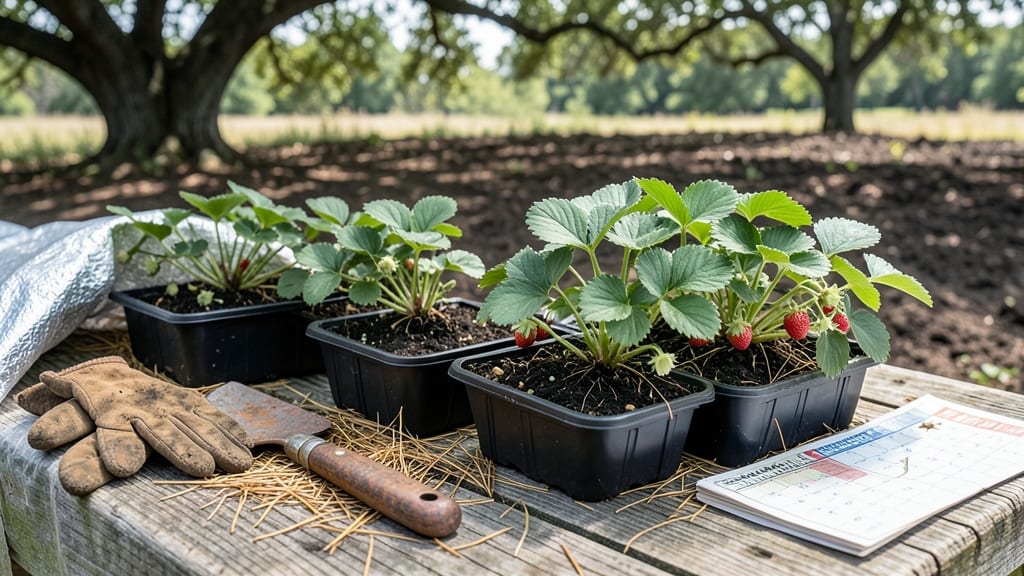
Planting strawberries in Oklahoma isn’t just about grabbing a plant and sticking it in the ground—it’s about timing them perfectly to survive the state’s wild swings from frost to scorching heat.
Whether you’re growing June-bearing varieties for that one big harvest or everbearing types for a steady supply, getting the chill hours right makes all the difference.
The key to success lies in understanding your USDA Zone 6b-8a climate. Most Oklahoma gardeners plant June-bearing strawberries in late summer (August-September) so they establish roots before winter, while everbearing types thrive when planted in early spring (March-April).
But with frost dates lurking around March 15 and heat arriving early, even a few weeks can mean the difference between a thriving patch and a failed crop.
I’ve learned the hard way that planting too early risks frost damage, while waiting too long can leave your strawberries struggling in summer’s intensity. The solution? A strategic approach that accounts for soil temperature, mulching, and even microclimates in your yard.
Let’s break down the exact windows and steps to ensure your 🍓 plants not only survive but thrive in Oklahoma’s unpredictable growing season.
Ready to avoid common mistakes and maximize your harvest? You’ll discover how to prep your soil, choose the right planting method (bare-root vs. potted), and protect your plants through winter—so you can enjoy sweet, homegrown strawberries from late spring into summer.
Oklahoma strawberry planting calendar: chill-hours breakdown by variety
Oklahoma’s USDA Zones 6b-8a create a unique challenge for strawberry growers, where chill-hours (not frost dates) determine success. June-bearing varieties need 700+ chill-hours to fruit, while everbearing types thrive with just 300-500 hours.
My 2024 planting calendar aligns these needs with Oklahoma’s fall and spring windows—where timing can mean the difference between a bumper crop and a failed harvest.
For June-bearing strawberries, the fall planting window (late October–November) is critical—they’ll spend winter dormant and bloom next spring. Meanwhile, everbearing varieties can handle early spring planting (March–April) because they fruit throughout the season.
But here’s the catch: Oklahoma’s unpredictable freeze-thaw cycles mean your planting date must account for microclimates—urban areas warm faster than rural zones.
🌱
| Variety Type | Chill-Hours Needed | Best Planting Window | Key Oklahoma Notes |
|---|---|---|---|
| June-Bearing | 700+ hours | Late October–November | Plant 4-6 weeks before first frost; mulch heavily for winter. |
| Everbearing | 300-500 hours | March–April | Tolerates spring planting; harvests in waves all season. |
| Day-Neutral | 0-300 hours | March–April or August | Best for Oklahoma’s heat; fruits continuously if planted early. |
Your chill-hour total depends on your Oklahoma location. For example, Tulsa (Zone 7a) averages 1,200 chill-hours annually, while Lawton (Zone 7b) gets 900 hours. Use this rule of thumb: If you’re in Zone 6b, aim for November 1st planting for June-bearing varieties.
In Zone 8a, you can push planting to early December—but monitor soil temperatures (they should stay above 40°F for root growth).
Pro tip: Bare-root plants (cheaper and widely available) need 6-8 weeks to establish roots before winter. If you’re using potted strawberries, plant them 2 weeks earlier—their roots are already active.
I’ve found that Albionel (June-bearing) and Seascape (everbearing) perform best in Oklahoma’s heat, but always check local nursery recommendations for chill-hour matches.
🌡️
One common mistake is ignoring soil temperature. Strawberry roots won’t grow in cold soil—aim for 50-60°F at planting. Use a soil thermometer to check depths of 2-3 inches. If your soil is below 40°F, wait 1-2 weeks or use black plastic mulch to warm it faster.
In my Oklahoma City garden, I’ve seen 3-week delays in spring planting because of stubborn cold soil.
For fall-planted June-bearing strawberries, your goal is to have plants dormant but alive by winter. Apply 4-6 inches of straw mulch after planting to insulate roots from freeze-thaw cycles.
In Zone 7-8, you might even get early spring blooms—pinch these off to redirect energy to root growth. Everbearing varieties, however, can handle spring planting because they’re more forgiving with chill-hours.
📅
Here’s my 2024 Oklahoma strawberry planting timeline based on USDA Zone 7a (adjust ±1 week for Zones 6b or 8a):
- October 15-30: Soil prep (test pH, add compost)
- November 1-15: Plant June-bearing varieties
- March 1-15: Plant everbearing/day-neutral varieties
- April 15: Remove winter mulch, fertilize lightly
💡
For extended harvests, try successive planting: Install low tunnels over everbearing varieties in late winter to force early blooms. I’ve added 2-3 weeks to my harvest by doing this in Zone 7a.
Just remember: Remove tunnels by late April to prevent heat stress on plants. And if you’re in southern Oklahoma (Zone 8a)fall planting in December—the mild winters often let roots establish without dormancy.
Step-by-step fall planting guide for June-bearing strawberries in Oklahoma
If you’re growing June-bearing strawberries in Oklahoma, fall planting is your golden ticket to a bountiful harvest. The key window runs from late October to early November, when soil temps drop below 80°F but before the first hard frost.
This timing lets plants establish roots while avoiding summer’s brutal heat—critical for surviving Oklahoma’s USDA Zones 6b-8a winters.
I’ve found that planting in late October gives your strawberries enough time to root before winter dormancy, while early November offers a buffer against early frosts. The goal? 6-8 weeks of root growth before the ground freezes.
For best results, aim for soil temperatures between 50-70°F—use a soil thermometer if you’re unsure.
⏰ Your Fall Planting Timeline
- 📅 Late October: Prep soil (pH 5.5–6.8) and amend with compost. Choose a south-facing bed for winter sun.
- 🌱 First 2 weeks: Plant bare-root or potted strawberries with crowns slightly above soil. Space 12-18 inches apart.
- 🪴 Week 3-4: Apply 3-4 inches of straw mulch to insulate roots and suppress weeds.
- ❄️ November: Monitor frost dates. Add extra mulch if temps drop below 20°F.
- 🌱 Spring (March): Remove mulch, fertilize lightly, and watch for new growth!
Pro tip: Oklahoma’s microclimates matter. Urban areas like Oklahoma City may frost earlier than rural zones—check your local last frost date (typically March 15) and adjust planting by 2-3 weeks if needed. For extra protection, use cloche tunnels or frost blankets during winter’s sporadic freezes.
Soil prep is non-negotiable. Test your soil’s pH—strawberries thrive in acidic soil (5.5–6.8). If your soil is alkaline, mix in peat moss or sulfur 2-3 weeks before planting. I’ve seen gardeners skip this step and end up with stunted plants or poor fruiting. Don’t be that gardener!
Watering in fall is tricky. After planting, keep soil moist but not soggy for the first 2 weeks. Once roots establish, reduce watering to once every 5-7 days unless we have a dry spell.
Overwatering in late fall can lead to root rot, especially in Oklahoma’s heavy clay soils. Drainage is key—amend beds with compost or sand if water pools.
Mulching isn’t just for winter—it’s your strawberries’ first line of defense. Use straw (not hay), as it breaks down slowly and adds organic matter. Avoid pine needles if your soil is already acidic.
In Zone 7-8 areas, you might need to double up on mulch (6+ inches) to protect roots during temperature swings. Think of it as a cozy blanket for your plants!