
Plants
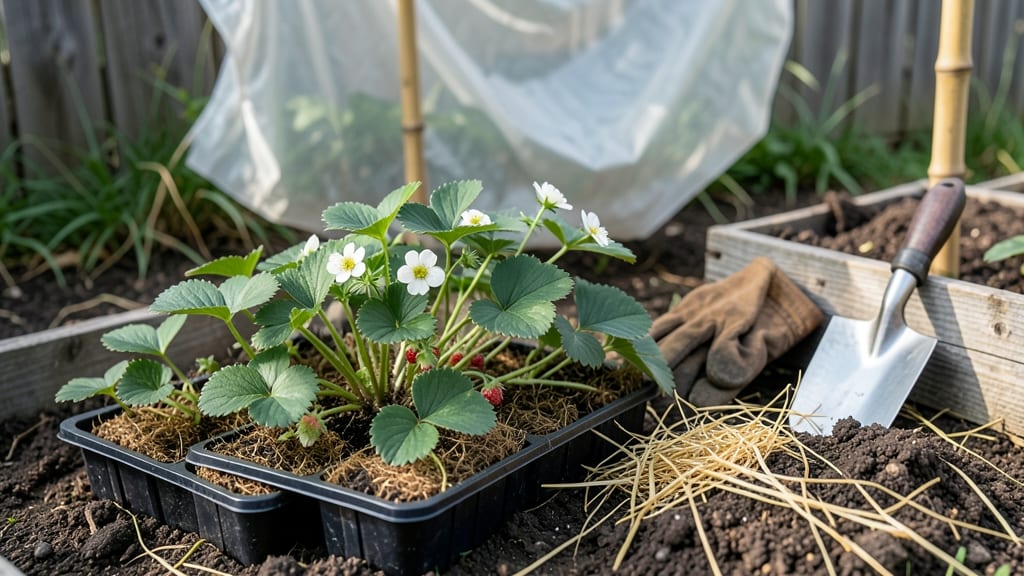
Planting strawberries in Tennessee isn’t just about grabbing a few plants and sticking them in the ground—it’s about timing them perfectly to match your region’s chill hours and avoid frost damage.
Whether you’re growing June-bearing varieties that need 700+ chill hours or everbearing types with 300-500 hours, getting the window right means the difference between a bountiful harvest and wasted effort.
For most of Tennessee’s 6a-7b zones, the ideal window opens in early spring—think March to April—when soil temperatures rise above 40°F and the threat of hard freezes has passed.
But here’s the catch: fall planting (September-October) works too, especially for June-bearing types, giving roots time to establish before winter dormancy. Miss these deadlines, and you risk stunted growth or frost-nipped plants before they even fruit.
I’ve tested what works in Tennessee’s varied microclimates, from the cooler highlands of East Tennessee to the warmer valleys of Middle and West Tennessee. The key? Adjusting for your specific chill hours and using row covers or mulch to protect tender new growth.
Let me walk you through the exact steps—plus the best varieties for your area—to ensure your 🍓 plants thrive from planting to harvest.
Ready to skip the guesswork? You’ll learn how to prep soil, choose the right planting method (bare-root, potted, or seed), and even adapt for containers if space is tight. No more wondering if your timing is off—just a foolproof plan tailored to Tennessee’s quirks.
Tennessee strawberry planting dates by chill-hour requirements
Timing your strawberry planting in Tennessee depends on two key factors: chill hours and your specific USDA zone.
Most of Tennessee falls within Zone 6a-7b, but microclimates like East Tennessee’s highlands (e.g., Knoxville) can experience 500-700 chill hours, while West Tennessee (e.g., Memphis) often sees 300-500 chill hours.
June-bearing varieties need 700+ chill hours to fruit well, while everbearing types thrive with 300-500 chill hours.
For spring planting, aim to plant 4-6 weeks before your last frost date—typically mid-March to early April in most regions.
In fall, plant 6-8 weeks before first frost (usually late September to early October) to establish roots before winter. Never plant when soil temps exceed 80°F, as roots struggle to establish.
Here’s how chill hours impact your planting window:
| Variety Type | Chill Hours Needed | Best Planting Window (Spring) | Best Planting Window (Fall) | Tennessee Regions |
|---|---|---|---|---|
| June-Bearing | 700+ | Mid-March to early April | Late September to early October | East TN (Knoxville, Bristol), High-altitude areas |
| Everbearing | 300-500 | Late March to mid-April | Mid-September to late October | Middle/West TN (Nashville, Memphis, Chattanooga) |
| Day-Neutral | 300+ | Early April to May | Late August to early September | All regions (flexible) |
In Nashville (Zone 7a), where average chill hours hover around 500-600, June-bearing varieties like 'Chandler' may produce fewer berries unless you extend their chill exposure with row covers in winter. Meanwhile, 'Seascape' (everbearing) thrives here with minimal fuss.
For Knoxville (Zone 6b), June-bearing types excel due to 700+ chill hours, while Chattanooga (Zone 7a/b) straddles the line—ideal for day-neutral varieties like 'Fort Laramie'.
Pro tip: Use a soil thermometer to confirm soil temps are 40-50°F before planting. Cold soil slows root growth, making plants vulnerable to root rot or fungal diseases. If temps are too warm, wait 1-2 weeks or use shade cloth to protect young plants.
For container gardening in Tennessee, plant in early spring (March) or late summer (August) to avoid extreme heat stress. Containers warm up faster than garden beds, so monitor moisture closely—everbearing varieties in pots often produce fruit 2-3 weeks earlier than ground-planted ones.
If you’re in a warmer microclimate (e.g., Shelby County), prioritize shade-cloth during peak summer (June-August) to prevent sunscald on berries. Mulch with straw or pine needles to retain moisture and regulate soil temps—critical for June-bearing varieties that need consistent chill to set fruit.
Remember: Bare-root plants establish faster than potted ones, but they must be planted immediately after delivery to avoid desiccation. Soak roots in water for 1-2 hours before planting to revive them, especially in dry spring conditions common in West Tennessee.
🌱
Tennessee strawberry planting dates by chill-hour requirements
Tennessee’s USDA Zones 6a-7b mean strawberries need careful timing to thrive. June-bearing varieties demand 700+ chill hours, while everbearing types only need 300-500 chill hours.
Planting too early risks frost damage, but waiting too long cuts harvest potential. Let’s break down the best windows for each variety across Tennessee’s regions.
For Nashville (Zone 7a), aim for March 15-April 15 for spring planting. Knoxville (Zone 6b) gardeners should plant March 1-March 31 to avoid late frosts. Chattanooga’s microclimate (Zone 7a) aligns with Nashville but may extend planting to early May for everbearing types.
Fall planting? Try September 15-October 15 for a late harvest.
Chill hours are your secret weapon. Use a chill-hour calculator (like the one from UT Extension) to verify your zone’s exact needs. Most Tennessee gardeners hit 1,000+ chill hours annually, making June-bearing varieties ideal. Everbearers like ‘Seascape’ produce fruit twice yearly but need 300-500 chill hours to set fruit properly.
| Variety Type | Chill Hours Needed | Best Planting Window | Tennessee Regions |
|---|---|---|---|
| June-Bearing | 700+ | March 15-April 15 | Nashville, Chattanooga, Memphis |
| Everbearing | 300-500 | March 1-May 1 or Sept 15-Oct 15 | All regions (extendable) |
| Day-Neutral | 0-300 | March 15-May 15 (no chill requirement) | Warmer lowlands (e.g., Memphis) |
Note: Adjust dates 1-2 weeks earlier for high-altitude areas like Great Smoky Mountains.
Soil temperature matters just as much as air temperature. Strawberries need soil at 45°F (7°C) or warmer to root successfully. Use a soil thermometer to check—if it’s cooler, wait 1-2 weeks. Pro tip: Black plastic mulch warms soil faster in spring, giving you a 2-week head start on planting.
For container gardening, plant 2-3 weeks earlier than ground beds. Containers warm up faster and let you move plants to shelter if frost threatens. Just ensure pots have drainage holes and use a lightweight potting mix to prevent root rot.
Remember: June-bearing strawberries produce one massive harvest, while everbearing types give smaller yields twice yearly. If you love fresh strawberries all summer, mix varieties—plant June-bearers for that peak May-June harvest and everbearers for June-August and fall crops. 🍓