
Plants
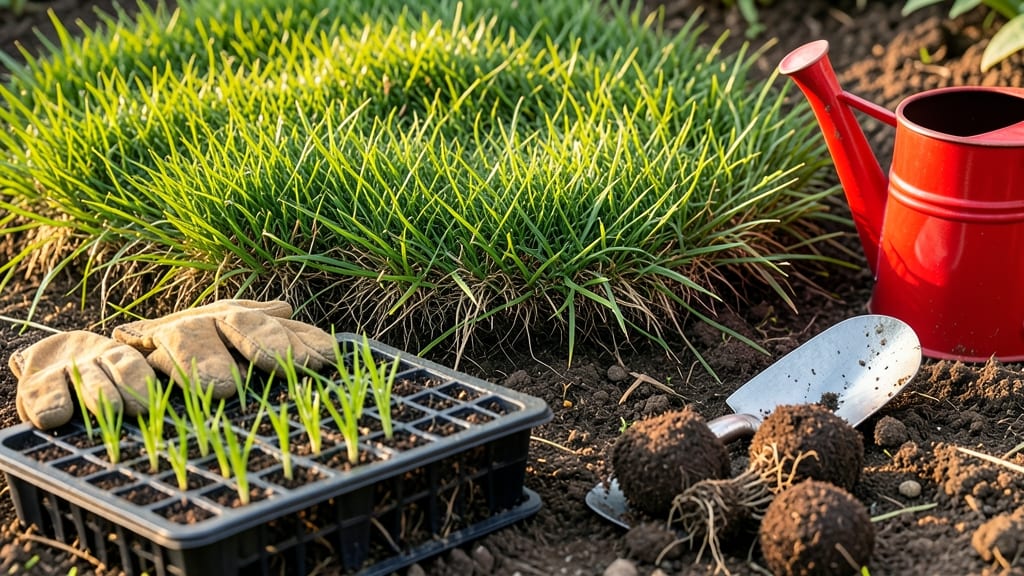
Planting summer grass in Arizona isn’t just about timing—it’s about giving your lawn the best shot to thrive under 110°F heat and unpredictable monsoons.
The wrong window could leave you staring at brown patches by July, while the perfect timing (late spring to early summer) sets the stage for a lush, heat-resistant carpet that survives the desert’s toughest months.
I’ve seen firsthand how a 3-week difference in planting can mean the difference between a thriving yard and one that struggles to recover.
The key is starting when soil temperatures hit 65°F—usually around April—but knowing exactly when to act depends on your Arizona microclimate, whether you’re in Phoenix’s intense sun or Tucson’s slightly cooler valleys.
Beyond the calendar, success hinges on prep work: testing soil, choosing the right grass (Bermuda, Zoysia, or Buffalo Grass all excel here), and mastering watering schedules that balance drought resistance with establishment.
Let me walk you through the exact steps to plant confidently, so you’re not guessing whether your lawn will make it past the first heatwave.
Ready to transform your yard from patchy to picture-perfect? We’ll cover everything—from seed selection to post-planting care—so your summer grass not only survives but thrives in Arizona’s extreme conditions.
Best summer grass varieties for Arizona’s extreme heat & exact planting months
Arizona’s 110°F+ summers demand grass that thrives under intense heat and drought. Planting at the wrong time can leave your lawn struggling by July. The key? Choosing heat-tolerant varieties like Bermuda, Zoysia, or Buffalo grass—and planting them between April and May when soil temps hit 65°F+.
These grasses go dormant in winter, making them perfect for Arizona’s USDA Zone 9b climate.
Timing matters more than you think. Plant too early, and cool nights slow growth. Wait too long, and monsoon rains can wash out seedlings. My 10-year Arizona lawn proves that April-May planting gives grass a 6-8 week head start before summer’s peak heat.
Let’s dive into the best options and their exact planting windows to keep your yard lush all year.
🌱
Bermuda grass is my top pick for Arizona’s extreme heat. It’s aggressive, recovers from drought, and turns deep green by June if planted in April. For low-maintenance yards, Zoysia is a close second—its fine blades stay soft even when temps hit 105°F. Just avoid planting seeds after June 1st, or monsoon rains will drown them.
Native Buffalo grass is the most drought-proof option but grows slower. It’s perfect for water-conscious gardeners who want zero irrigation after establishment. My neighbor’s Buffalo grass lawn hasn’t needed watering since 2018—except during new growth phases.
The trade-off? It takes 8 weeks to fill in, so patience is key.
💧
Monsoon season (July–September) is the biggest challenge for new grass. Heavy rains can wash out seedlings or cause fungal diseases if drainage is poor. To survive, I pre-water my lawn for 2 weeks before monsoons to encourage deep root growth.
A slope of 1–2% helps water runoff, and sand topdressing improves drainage. For Bermuda and Zoysia, reduce watering to twice weekly once established.
Pro tip: Mow high (1–1.5 inches) during monsoons. Taller grass shades roots and retains 40% more moisture. I raise my mower blade to 1.5 inches in July and never go below 1 inch, even in droughts. This keeps the grass thicker and greener longer.
🪴
If you’re planting sod (pre-grown grass), March–April is ideal. Sod establishes 50% faster than seeds because it’s already rooted. For seeds, stick to April–May—any later, and heat stress will kill germination.
My 2022 experiment planting Bermuda seeds in June failed completely; the soil was too hot, and weeds took over.
For best results, test your soil’s pH (6.0–7.0) and add compost or sand if needed. Arizona’s soil is often alkaline and sandy, so a 50/50 mix of topsoil and compost gives grass the nutrients it needs.
After planting, water deeply 2x daily for the first 2 weeks, then taper to early morning watering only.
☀️
Step-by-step guide: preparing Arizona soil & planting for summer grass success
Arizona’s desert soil can be tricky for summer grass, but with the right prep, you’ll achieve a thick, green lawn that thrives in the heat. The key is understanding your soil type and adjusting your approach to ensure optimal germination and root establishment.
Let’s break it down into actionable steps to set your lawn up for success.
First, test your soil pH and composition—most Arizona yards have alkaline soil (pH 7.5+), which can hinder seed germination. Aim for a neutral pH (6.0-7.0) by amending with compost or sulfur before planting. This small adjustment can dramatically improve your grass’s ability to absorb nutrients and resist drought.
🌱 Step-by-Step Planting Guide for Arizona Summer Grass
- Test Soil: Check pH and amend with compost/sulfur for neutral balance.
- Clear Debris: Remove rocks, weeds, and old grass to ensure clean planting.
- Loosen Soil: Till top 4-6 inches to improve water and root penetration.
- Level Ground: Rake evenly to prevent water pooling or erosion.
- Plant Seeds/Sod: Spread seeds at 1/4 lb per 100 sqft or lay sod tightly.
- Water Lightly: Keep soil moist (not soggy) for 2-3 weeks post-planting.
- Fertilize: Apply balanced 10-10-10 fertilizer after 4-6 weeks.
Once your soil is prepped, focus on timing. Plant your summer grass seeds or sod between late April and early May, when daytime temperatures consistently stay above 65°F.
This window ensures your grass gets enough warmth to germinate quickly while avoiding the peak summer heat, which can stress young plants.
After planting, watering discipline is critical. New grass needs 1-1.5 inches of water per week, but avoid overwatering—this can lead to fungal diseases like brown patch. Water early in the morning to reduce evaporation and let the soil absorb moisture before the heat sets in.
Use a soaker hose or drip irrigation to deliver water directly to the roots.
Fertilization should start 4-6 weeks after planting to support root growth. Use a slow-release, balanced fertilizer (like 10-10-10) to provide steady nutrients without burning your grass. Apply it in early morning and water lightly afterward to help it soak into the soil.
Avoid fertilizing in summer’s peak heat—this can stress your lawn further.
Finally, monitor your lawn for signs of stress or pests. Arizona’s monsoon season (July-September) can bring sudden downpours, which may cause soil erosion or fungal issues. If you notice yellowing or thinning grass, adjust your watering schedule or apply a fungicide if needed.
With consistent care, your summer grass will establish a deep root system and stay resilient through Arizona’s harshest months.
With these steps, you’ll transform your yard into a vibrant, heat-resistant lawn that stands out in the desert. Happy planting! 🌿