
Flowers
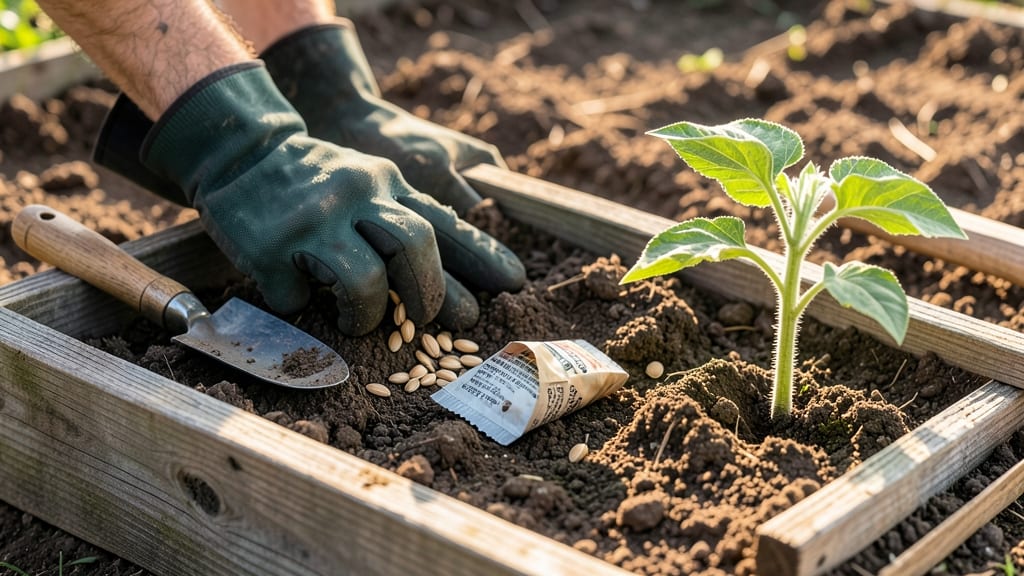
Planting sunflowers in Tennessee at the wrong time means watching your towering 🌻 dreams wilt before they even bloom. The key to zero-frost success lies in knowing your zone—whether you're in East Tennessee's cooler hills or Middle Tennessee's warmer valleys—because those 10-degree temperature swings make all the difference.
Most gardeners in zones 6a-7b should start seeds indoors by mid-March, but direct sowing outdoors isn't safe until soil temperatures hit 50°F—typically mid-April to late June.
That window ensures your sunflowers beat frost while still having enough growing days to reach their full 10-foot potential before summer's heat sets in.
Here's the game-changer: Giant varieties like 'Mammoth' need those early starts, while dwarf types can tolerate late June plantings. I'll break down exactly when to plant each variety in your specific Tennessee microclimate—and how to adjust for containers if you're working with limited space.
Skip the guesswork and get the precise planting schedule tailored to your Tennessee zone, plus pro tips for extending your bloom time. Your sunflowers will thank you with vibrant faces that last from July through October.
Tennessee planting zones: sunflower deadlines by last frost dates
Tennessee’s diverse climate—spanning USDA zones 6a-7b—means sunflower planting deadlines vary dramatically. In West Tennessee (zone 7b), where summers are longer, you’ve got until late June to sow seeds, while East Tennessee (zone 6a) gardeners should plant by mid-May to avoid early frosts.
These differences stem from Tennessee’s 180-210 frost-free days, with last frost dates ranging from mid-April in Memphis to late April in Knoxville.
Sunflowers are warm-season annuals that thrive when soil temperatures hit 50°F (10°C). In Tennessee, this typically aligns with mid-April to early May for most regions, but always verify your local last frost date using the National Weather Service or Old Farmer’s Almanac.
Planting too early risks seed rot or stunted growth from cold soil.
For direct sowing (the preferred method), aim to plant 2-4 weeks after your last frost date. This gives young seedlings time to establish roots before summer’s heat peaks.
In zone 7b (West TN), that’s early May; in zone 6a (East TN), late April to early May works best.
Transplanting sunflower starts is not recommended due to their delicate root systems, but if you must, do so when seedlings are 3-4 inches tall and soil is warm and workable.
🌱 Tennessee Sunflower Planting Deadlines by Zone
| Zone | Last Frost Date | Ideal Planting Window | Soil Temp Threshold | Notes |
|---|---|---|---|---|
| 6a (East TN) | Mid-April | Late April–Mid-May | 50°F (10°C) | Shorter season; choose early varieties. |
| 6b (Middle TN) | Early April | Early May–Late May | 50°F (10°C) | Balanced climate; versatile for all types. |
| 7a (West TN) | Late March | Mid-April–Early June | 50°F (10°C) | Longer season; late plantings possible. |
| 7b (Far West TN) | Early March | Early April–Late June | 50°F (10°C) | Hottest zone; prioritize heat-tolerant varieties. |
🌻 Pro Tip: Use a soil thermometer to confirm warmth before planting—cold soil delays germination.
Sunflowers in Tennessee mature in 45-120 days, depending on the variety. Giant varieties like ‘Mammoth’ need the full 120-day season of West Tennessee, while dwarf types like ‘Teddy Bear’ thrive in East Tennessee’s 90-day window.
To maximize blooms, stagger plantings every 2 weeks from April to June. This ensures a continuous harvest from late July to October.
For container gardening, start seeds indoors 4-6 weeks before your last frost date and transplant into 5-gallon pots once soil warms. Dwarf varieties like ‘Little Becka’ are ideal for patios or balconies, as they reach only 1-3 feet tall.
Ensure containers have drainage holes to prevent root rot—a common issue in Tennessee’s humid summers.
If you’re in a high-altitude area (e.g., Great Smoky Mountains), plant 2 weeks later than the zone average. Cooler nights in these regions can delay soil warming.
Conversely, urban heat islands (like Nashville’s downtown) may allow for earlier plantings, but monitor soil moisture closely—concrete absorbs and radiates heat, drying out soil faster.
One common mistake Tennessee gardeners make is planting
How to adjust sunflower planting for Tennessee’s microclimates
Tennessee’s diverse geography means your sunflower’s success depends on where you live. Mountain valleys in East Tennessee stay cooler longer, while urban areas like Nashville can hit 90°F+ by May. Adjust your planting timeline by 1-2 weeks based on your local microclimate—here’s how to fine-tune your approach.
For urban heat islands, start seeds indoors 4-6 weeks before your last frost date. These areas warm up faster, so direct-sow 2 weeks earlier than rural zones. In mountain valleys, wait until soil reaches 55°F (13°C)—cooler nights delay germination, so extend your window by 10-14 days.
🌱
Direct-Sowing vs. Transplanting
Direct-Sowing
- Pros: Stronger roots, no transplant shock
- Best for: Rural areas, large gardens
- Timing: After last frost, soil at 50°F+
Transplanting
- Pros: Earlier blooms, urban flexibility
- Best for: Containers, short seasons
- Timing: 4-6 weeks before last frost
Extend your sunflower season by mulching with straw or wood chips to retain moisture and moderate soil temps. In West Tennessee’s longer summers, succession plant dwarf varieties every 2 weeks from May to July for continuous blooms. For East Tennessee’s shorter season, prioritize early-maturing types like ‘Teddy Bear’ (50 days).
If your area experiences late spring frosts (common in Appalachian foothills), use row covers for the first 2 weeks after planting. Remove covers during the day to prevent overheating.
For container gardening, use 5-gallon pots and plant 1-2 weeks later than ground planting—containers warm up faster but dry out quicker.
Monitor your local soil temperature with a soil thermometer—sunflowers won’t germinate below 50°F (10°C). In river valleys, where humidity is higher, space plants 12 inches apart to improve airflow and prevent powdery mildew. Adjust watering to morning only to avoid fungal issues in these damp microclimates.
💧