
Flowers
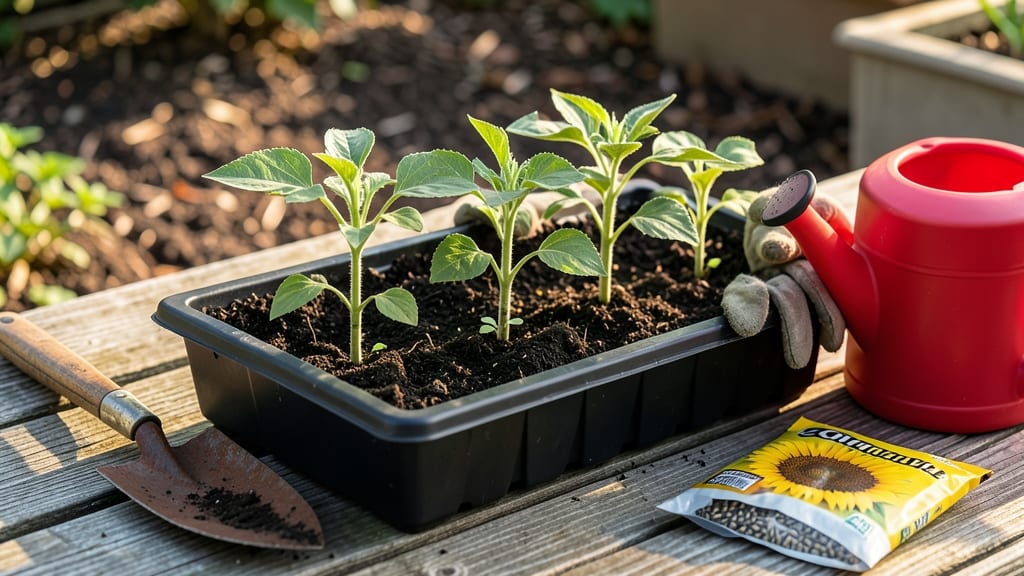
Planting sunflowers in Texas at the wrong time means watching them wilt before they even bloom—especially in our 8a-10b heat zones where the sun never lets up.
The key to towering, vibrant 🌻 sunflowers isn’t just about love and sunlight; it’s about timing your seeds perfectly to avoid frost or scorching heat.
Whether you’re in North Texas, Central/East Texas, or South Texas, the ideal planting window shifts dramatically—from as early as January in the southern regions to May in the north. Miss these dates, and you’ll either deal with frost damage or seedlings struggling under the relentless Texas sun.
I’ll walk you through the exact months for each zone, plus soil prep tricks and whether to direct-sow or transplant for zero-frost blooms. No more guessing—just a foolproof timeline to grow sunflowers that reach their full, glorious height.
Ready to turn your garden into a sunflower paradise? Let’s get started with the perfect planting schedule for your Texas heat zone.
Texas sunflower planting timeline by heat zone: best months for zero-frost blooms
Texas sunflowers (Helianthus annuus) love the heat, but timing is everything—plant too early and frost zaps your seedlings, too late and summer storms stunt growth. The key? Align your planting with your USDA heat zone and last frost dates.
North Texas gardeners wait until March, while South Texas can start as early as January. Let’s break it down by region so your sunflowers reach their full 10-foot-plus glory without wilting.
Sunflowers need consistent warmth to germinate—ideal soil temps hover around 60-70°F. In North Texas (USDA zones 7b-8a), wait until after the March 15 average last frost.
Central Texas (zones 8a-8b) can plant as early as February 15, while South Texas (zones 9a-10b) enjoys a January 15 start. Pro tip: Use a soil thermometer to confirm temps are safe before sowing seeds.
Here’s your heat-zone planting timeline, including soil prep and germination tips tailored to Texas:
For all regions, direct sow seeds after the last frost—sunflowers hate transplanting. Scatter seeds 1 inch deep, 6 inches apart, and thin seedlings to 12–18 inches as they grow.
In South Texas, you can even plant a second crop in late summer (August–September) for fall blooms before the first frost hits in December.
Texas summers bring intense sun and heat, but sunflowers thrive with deep watering (1–2 inches per week) during germination. Once established, they’re drought-tolerant, but mulch around the base to retain moisture and prevent soil crusting.
Avoid overhead watering to reduce fungal risks like powdery mildew, which loves Texas humidity.
Pro move: Choose fast-germinating varieties like ‘Teddy Bear’ (45–50 days to bloom) for earlier harvests. For giant sunflowers (e.g., ‘Russian Giant’), plant in early spring to ensure they mature before summer storms. Monitor soil moisture closely—dry spells can cause buds to drop before blooming.
Don’t forget: Sunflowers are annuals, so plan ahead for next year’s seed-saving or replanting. Let seed heads dry on the stalk, then harvest seeds for future gardens or bird feeders. With the right timing, your Texas sunflowers will reach towering heights and brighten up summer cut flower arrangements.
🌻
Texas sunflower planting timeline by heat zone: best months for zero-frost blooms
Texas sunflowers (Helianthus annuus) love the heat—but timing is everything. Plant too early, and frost zaps your seedlings. Too late, and the summer sun will bake them before they bloom.
The USDA zones 8a-10b across Texas mean your last frost dates vary wildly: March 15 in North Texas vs. January 15 in South Texas. This means your planting window shifts from January-March in the south to March-May in the north.
Sunflower seeds need consistent soil temps above 55°F (13°C) to germinate. In Texas, that means waiting until the ground warms up—no rushing! I’ve grown sunflowers in all three Texas regions, and the difference between a thriving patch and a sad, wilted mess comes down to these heat-zone-specific timelines.
Let’s break it down so you can time your planting like a pro.
| Texas Heat Zone | Last Frost Date | Ideal Planting Window | Soil Prep Time | Germination Temp |
|---|---|---|---|---|
| North Texas (8a) | March 15 | March–May | February–March | 55°F+ (13°C+) |
| Central/East Texas (8b-9a) | February 15 | February–April | January–February | 60°F+ (16°C+) |
| South Texas (9b-10b) | January 15 | January–March | December–January | 65°F+ (18°C+) |
For North Texas, aim to plant after March 15—any earlier, and frost will kill tender seedlings.
In Central/East Texas, you can start as early as February 15, but I recommend waiting until late February to avoid unexpected cold snaps. South Texas gardeners have the longest window: January–March is ideal, but don’t plant before January 15 unless you’re using row covers.
Sunflowers are direct-sown annuals, so there’s no need for transplants. Just drop seeds 1 inch deep and 6 inches apart in well-draining soil. In Texas, soil prep starts 2–4 weeks before planting: till in compost, ensure good drainage, and avoid heavy clay.
Pro tip: Mulch after germination to lock in moisture—critical in our dry heat!
Once planted, sunflowers grow fast—expect 6-foot stalks in 60 days with the right care. But timing is everything: plant too late, and you’ll miss the June–October bloom window. Stick to these zones, and you’ll have zero-frost blooms that tower over your garden like golden sentinels.